.jpg)




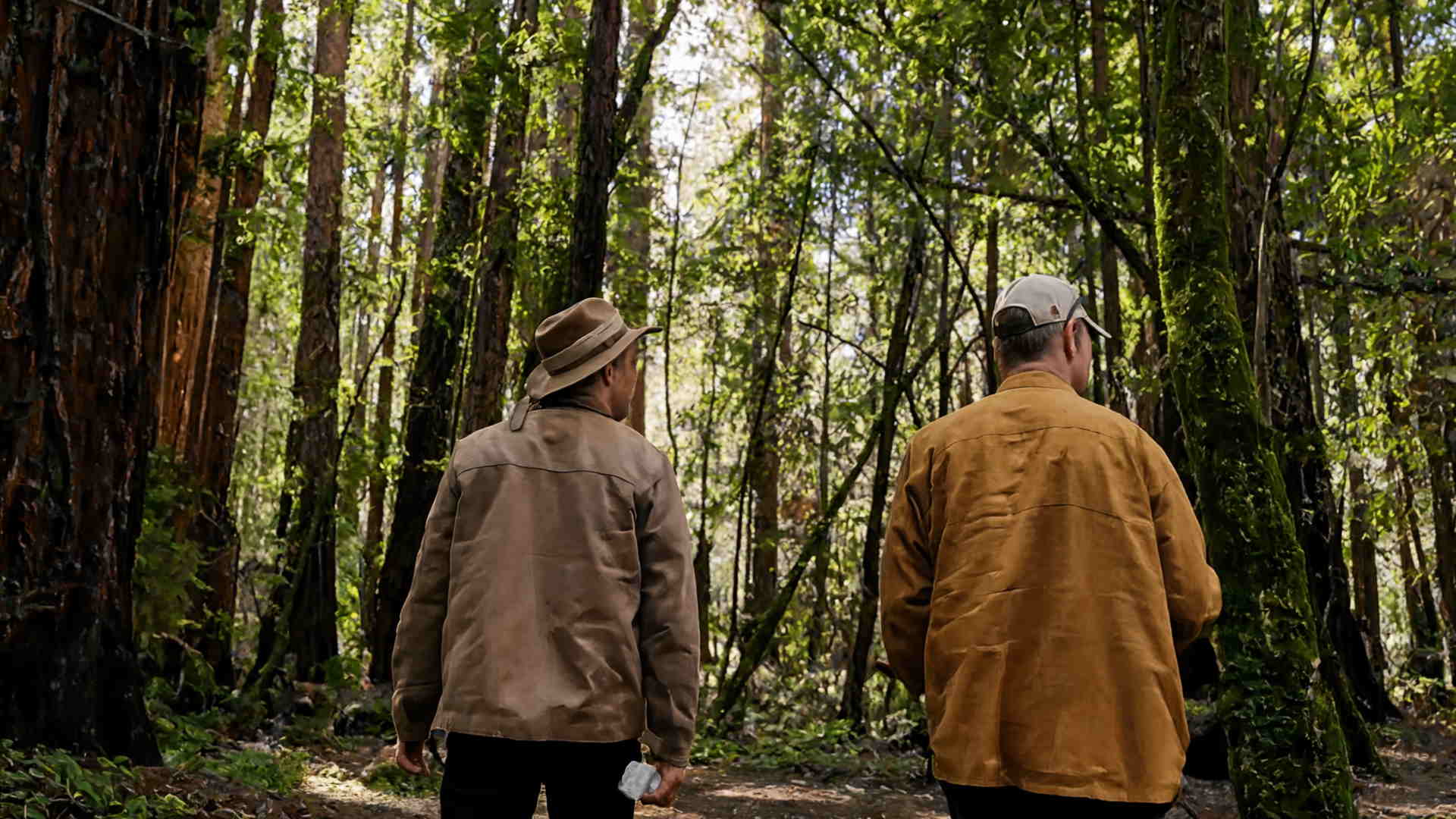
Inland California is baking through mid July 2026. Heat domes have pushed temperatures past 110 degrees across the Sacramento Valley and San Joaquin Valley, and excessive heat warnings now stretch into the state's interior counties. Fifty miles from that heat, on the Mendocino Coast, the picture looks different. Fifty thousand acres of coast redwood canopy hold a cooler microclimate underneath them, shaped by fog, shade, and root systems that have been building this system for centuries. Do redwood forests stay cool during heat waves? At Usal Redwood Forest, the answer starts with the canopy itself.
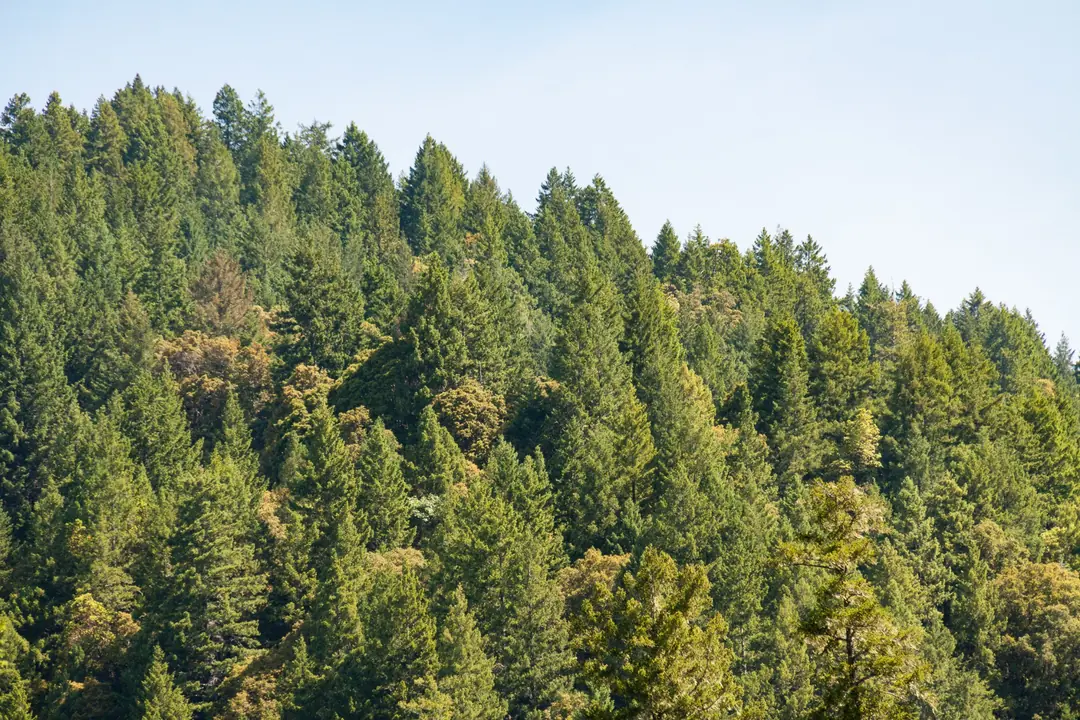
At Usal Redwood Forest, that pattern holds true. Its 50,000 acres of coastal redwood canopy on the Mendocino Coast hold a microclimate that runs well below the open land around it. Usal's 35 million trees pull moisture from summer fog, drip it down through the branches, and hold it at the forest floor. While inland California bakes, this stretch of coast stays cool.
.jpg)
Why Redwood Canopy Acts Like a Natural Air Conditioner
A coast redwood forest is built in layers. The tallest trees hold the outer canopy two hundred feet up or more, and beneath them sit younger trees, understory shrubs, ferns, and moss that rarely see direct sun. Each layer blocks heat before it reaches the one below it. By the time sunlight reaches the forest floor at Usal, most of its intensity is gone.
The bigger factor is fog. Coast redwoods pull moisture directly from the marine layer that rolls in off the Pacific most summer mornings. Needles capture the fog, condense it into water, and let it fall as drip, sometimes adding more moisture to the forest floor than rainfall does during the dry months. That moisture keeps soil and understory air cooler through evaporation, the same basic principle behind a swamp cooler, running on fog instead of a fan. Every native redwood planted through RFF's reforestation program at redwoodforests.org/plant-a-redwood adds to this canopy over time, though a newly planted tree takes decades before it contributes meaningfully to the effect.
Redwood Forest Foundation's Smart Forest program tracks this directly. A canopy temperature network logs conditions across the property hour by hour, and a set of dendrometers, wrapped around tree trunks at points across the restoration zones, measure growth down to the millimeter. When a tree stops growing during a season it should be active, that reading flags a problem before it shows up visually. Together, the sensors turn what redwoods do naturally into data RFF can act on.
What Does Usal's 4.8 Million Metric Tons of Stored Carbon Mean During a Heat Event?
Old growth and actively managed second growth redwood forest holds carbon differently than younger, disturbed forest does. At Usal, the standing forest sequesters an estimated 4.8 million metric tons of CO2 equivalent, carbon locked into trunks, root systems, and soil as long as the forest stays intact.
That stored carbon and the cooling effect above are connected. Dense, older forest structure means more leaf surface area, more shade, and more moisture retention, all of which lower ground temperature and slow evaporation from soil. Forest that has been thinned aggressively, logged hard, or converted to open land loses both its carbon and its cooling capacity at the same time. Protecting the standing trees protects both.
The scale matters here too. A forest storing carbon at this level is not a small offset. It is a standing reserve that keeps working as long as the land stays under conservation management, which is the premise behind RFF's working forest model. Sustainable timber revenue funds protection of the acres that are not harvested, so the carbon and the cooling stay in place year over year.
.jpg)
How Restored Salmon Streams Keep the Forest Floor Cool and Alive
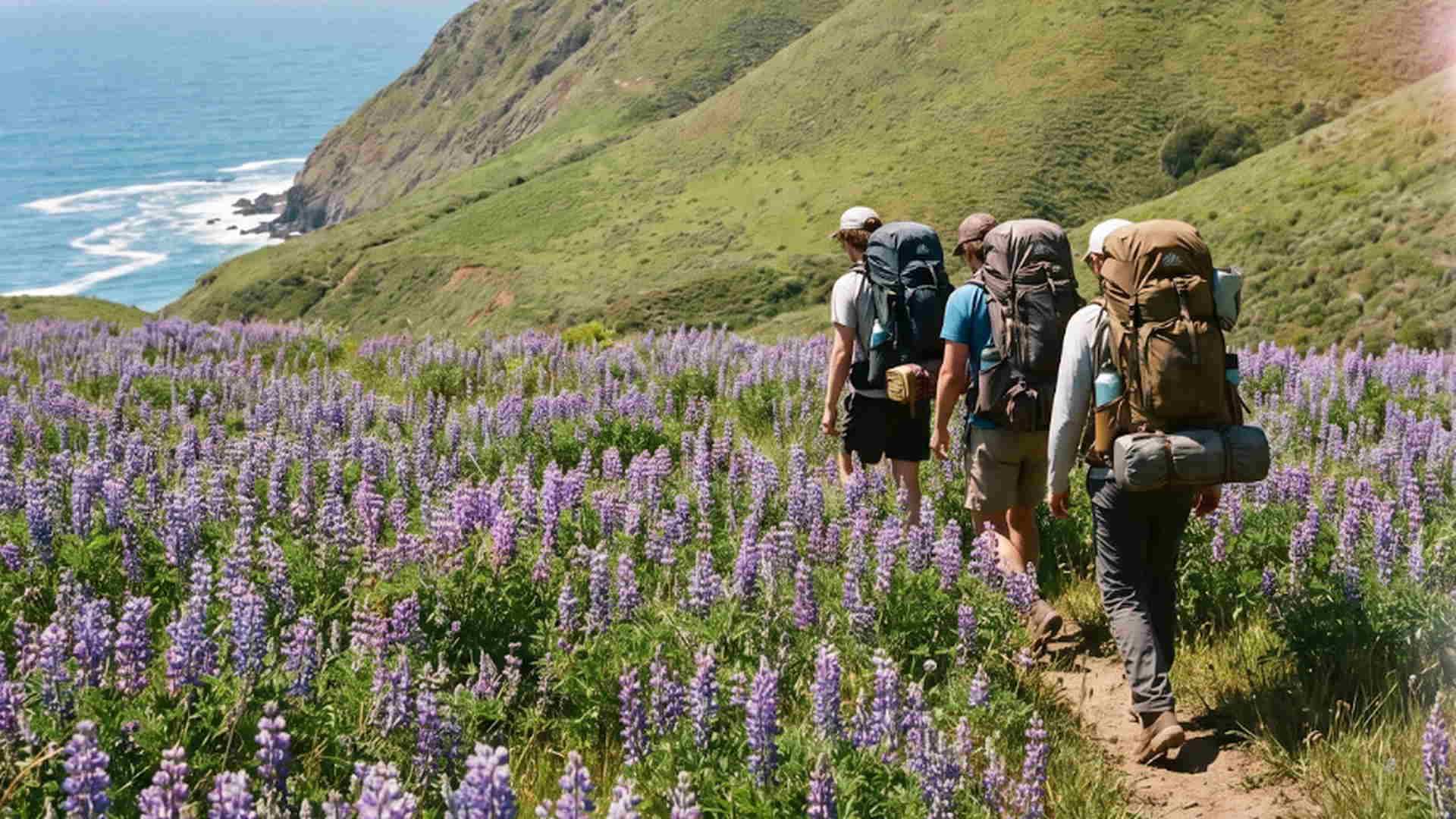
Cooling at Usal does not stop at the canopy. It also runs through the water. RFF has restored nearly 20 miles of salmon-bearing streams across the property and prevented an estimated 162,390 cubic yards of sediment from reaching those waterways.
Clear, shaded, moving water changes the microclimate around it. Streamside vegetation shades the water itself, keeping it cold enough to support salmon, while the moisture in the surrounding soil sustains ferns, moss, and understory plants that would struggle in dry ground. That combination, cold water and a moist forest floor, keeps the land around restored streams noticeably more livable during a heat event than dry, disturbed ground nearby.
Watershed restoration and heat resilience are usually treated as separate conservation goals. At Usal they run together. A healthier stream system supports a cooler forest floor, and a cooler forest floor gives the canopy above it less work to do.
Come Feel the Difference: ATV Tours Through Living Climate Shelter
Reading about a cooler forest is one thing. Riding through it is another. RFF runs a guided ATV tour through Usal Redwood Forest that starts in Fort Bragg, runs three hours, and includes a boxed lunch. Guests ride under old growth and second growth canopy, through active restoration zones, and past the same streams that keep the forest floor cool.
The tour costs $250 per person, with a minimum of two guests. Most visitors notice the temperature shift within the first mile, right around the point where the open coastal road gives way to canopy. It is the most direct way to answer the question this post opened with.
Details and booking are at redwoodforests.org/atv-tour.
FAQ - Frequently Asked Questions
Do redwood forests stay cooler than surrounding land during California heat waves?
Yes. Coast redwood canopy blocks direct sun in layers and holds moisture from coastal fog at the forest floor, which keeps ground temperature and humidity more stable than open land nearby. At Usal Redwood Forest on the Mendocino Coast, that effect holds even as inland California sees heat domes push temperatures past 100 degrees.
How does old growth redwood canopy affect local temperature and humidity?
Old growth canopy is layered, with tall trees, mid story trees, and understory plants stacked together, so sunlight loses intensity before it reaches the ground. Combined with fog drip, this keeps soil moisture and humidity higher and ground temperature lower than in forests without a full canopy structure.
Can visiting a coastal redwood forest in summer actually provide heat relief?
Yes. The combination of shade, fog moisture, and restored stream systems creates a measurable microclimate shift under redwood canopy. Visitors on the Usal ATV tour typically notice the temperature change within the first mile of forest road.
Why do coastal redwood forests feel so much cooler than inland California?
Coastal redwood forests sit inside the marine fog belt, where the Pacific keeps air temperatures lower to begin with. The canopy then adds its own cooling layer on top of that, through shade and fog drip, which is why coastal forest land like Usal stays in a different range than inland valleys during a heat event.
How does Usal Redwood Forest's carbon storage relate to its cooling effect?
Usal's standing forest holds an estimated 4.8 million metric tons of CO2 equivalent in its trunks, roots, and soil. Denser, older forest structure means more leaf surface, shade, and moisture retention — the same qualities that keep the ground cool. Protecting the standing trees preserves both the stored carbon and the cooling effect at once. This one's tailored specifically to this post's carbon/cooling section (the 4.8M metric ton figure and the "protecting the standing trees protects both" line), rather than being a generic redwood-and-heat question that could apply anywhere.