Solar-powered tower systems form the backbone of our telemetry and communication network in the forest. These towers provide reliable, off-grid energy to support cameras, acoustic recorders, and other monitoring tools in remote locations. By transmitting data in near real-time, they allow us to stay connected to field systems without the need for frequent site visits.
This infrastructure ensures continuous operation across the landscape while reducing our environmental footprint, enabling a more efficient, responsive, and scalable approach to forest monitoring and stewardship.
An Eddy covariance flux tower is an advanced environmental monitoring system used to measure the exchange of carbon dioxide, water vapor, heat, and energy between ecosystems and the atmosphere.
Equipped with high-frequency sensors, the tower captures real-time data on wind movement and gas concentrations to analyze ecosystem productivity and climate interactions. Commonly installed in forests, wetlands, croplands, and grasslands, flux towers provide valuable insights for climate research, carbon accounting, sustainable land management, and understanding how natural environments respond to changing weather and environmental conditions.
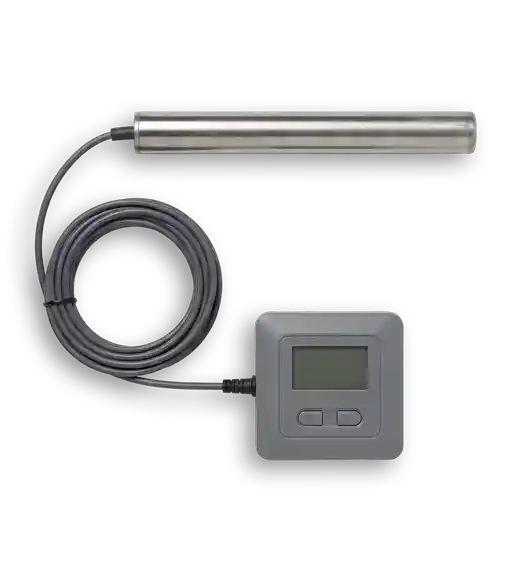
High-precision weather sensing refers to the use of advanced meteorological instruments and sensor networks to capture highly accurate environmental data in real time. These systems monitor variables such as temperature, humidity, rainfall, wind speed, solar radiation, and atmospheric pressure with exceptional precision.
Commonly deployed in forests, agricultural sites, research stations, and smart infrastructure projects, high-precision weather sensing supports climate analysis, operational forecasting, disaster preparedness, and environmental management. Its detailed measurements enable better decision-making, improve predictive models, and enhance understanding of local and regional weather patterns.
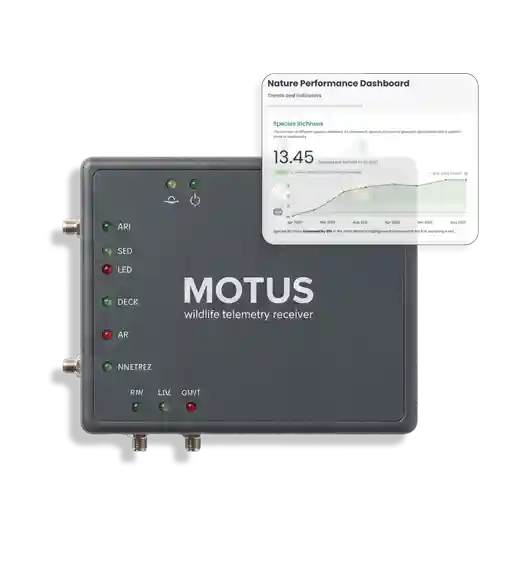
A MOTUS radio-telemetry station is a wildlife tracking system designed to monitor the movement and migration of birds, bats, and other small animals fitted with lightweight radio transmitters. As part of the Motus Wildlife Tracking System network, the station uses automated antennas and receivers to detect tagged animals as they travel across landscapes and continents.
These stations provide valuable data for ecological research, conservation planning, migration studies, and biodiversity monitoring, helping scientists better understand animal behavior, habitat use, and the environmental factors influencing wildlife movement patterns.
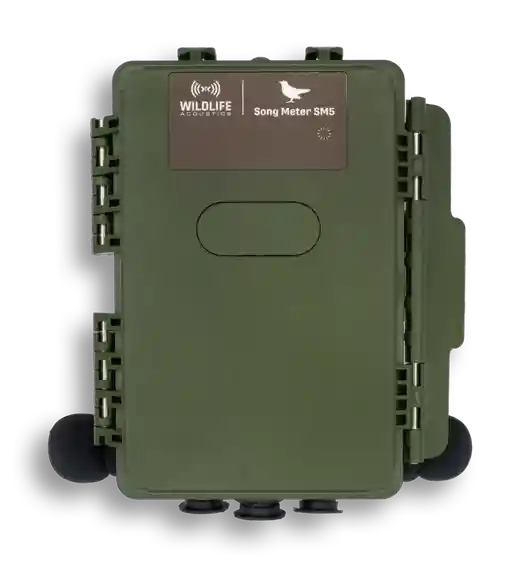
We use wildlife acoustic recorders throughout the forest to capture the soundscape of life that often goes unseen. These small, weatherproof devices are placed strategically across different habitats, where they continuously record the calls, movements, and patterns of species over time. From bird songs at dawn to nocturnal activity after dark, the data helps us understand which species are present, how they use the landscape, and how ecosystems are changing.
By analyzing these recordings, we can track biodiversity, detect rare or elusive wildlife, and monitor the impacts of restoration and forest management. This approach allows us to gather rich ecological insights with minimal disturbance, supporting more informed, data-driven stewardship of the forest.
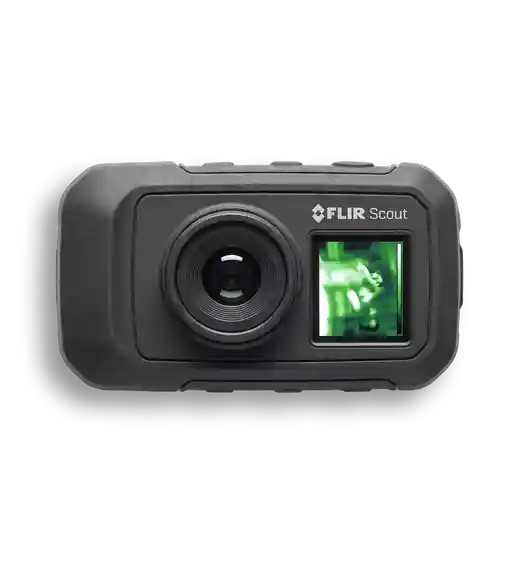
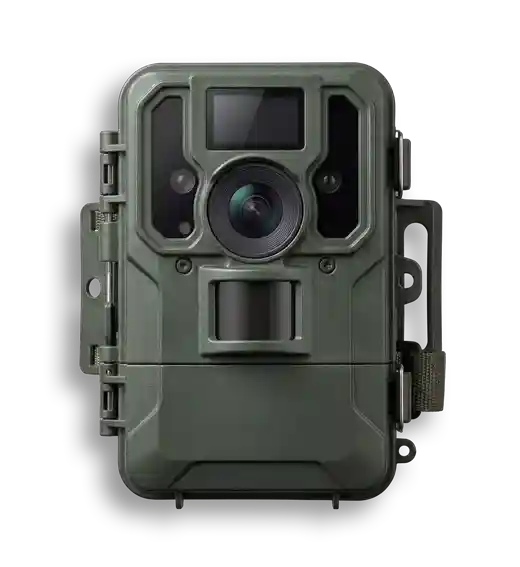
Our AI-ready wildlife camera network provides a window into the forest’s most elusive species. Motion-activated cameras are placed across key habitats, capturing images and video of wildlife as they move through the landscape. Using AI-assisted analysis, we can quickly identify species, track movement patterns, and monitor population trends over time.
This technology allows us to detect rare and sensitive species with minimal disturbance, while building a clearer picture of ecosystem health. By combining on-the-ground monitoring with advanced data processing, we’re able to make faster, more informed decisions that support long-term forest stewardship.
Surface swab eDNA kits allow us to detect wildlife presence through trace genetic material left behind in the environment. By collecting samples from soil, water, or vegetation, we can identify species without needing to see or capture them directly. These samples are analyzed in a lab to reveal DNA from animals that have recently passed through an area, including rare or hard-to-detect species.
This low-impact method expands our ability to monitor biodiversity, offering a powerful complement to cameras and acoustic recorders while minimizing disturbance to the ecosystem.
Aquatic eDNA kits allow us to monitor life in rivers, streams, and wetlands through trace genetic material suspended in the water. By collecting small water samples, we can detect the presence of fish, amphibians, and other aquatic species without needing to see or handle them directly.
These samples are analyzed to identify species and track changes in biodiversity over time, including the presence of sensitive or invasive species. This low-impact approach helps us better understand aquatic ecosystems and make more informed decisions to protect watershed health.
Soil eDNA kits allow us to uncover the hidden biodiversity beneath our feet by analyzing trace genetic material in the soil. By collecting small samples, we can detect a wide range of organisms, from mammals and insects to fungi and microbes, without direct observation.
This method provides insight into ecosystem health, species presence, and changes over time, including the detection of rare or sensitive species. As a low-impact monitoring tool, soil eDNA expands our understanding of the forest while supporting more informed, data-driven stewardship.
Found out about our latest news, campaigns, events, and ways you can get involved and support Redwood Forest Foundation