.jpg)



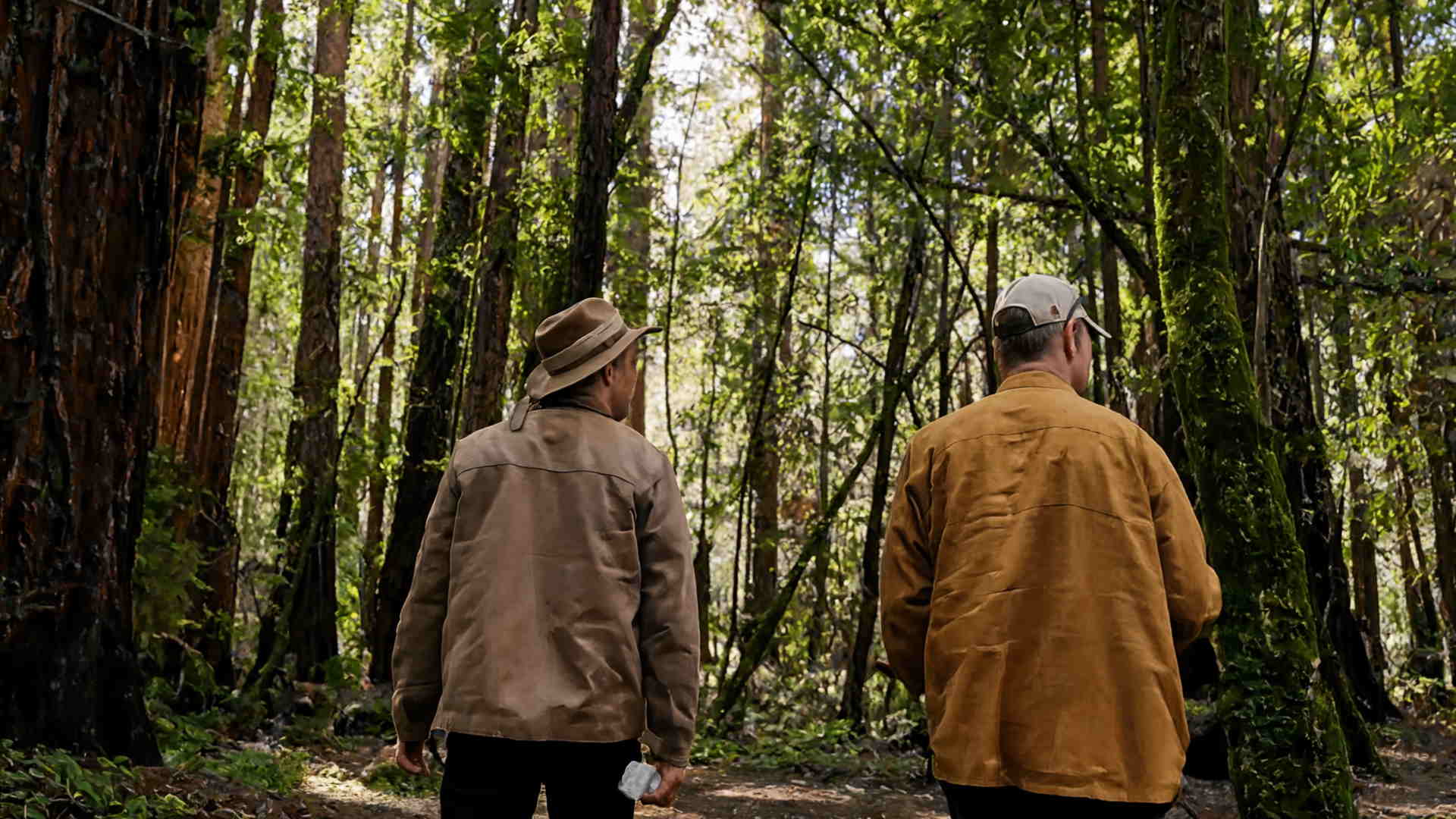
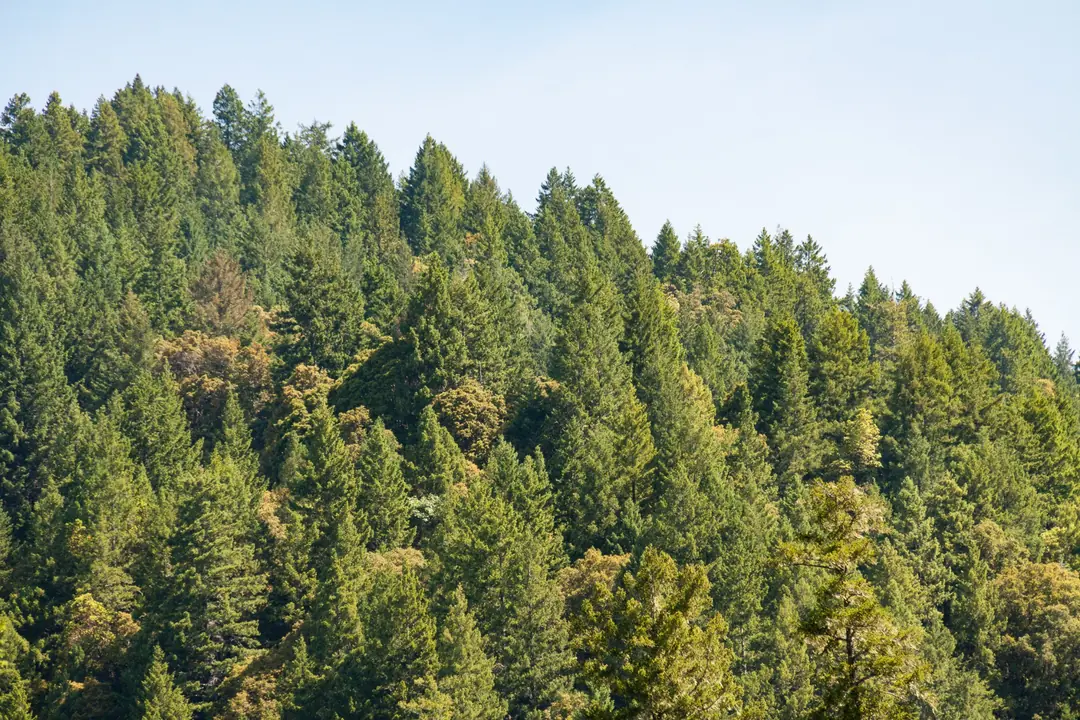
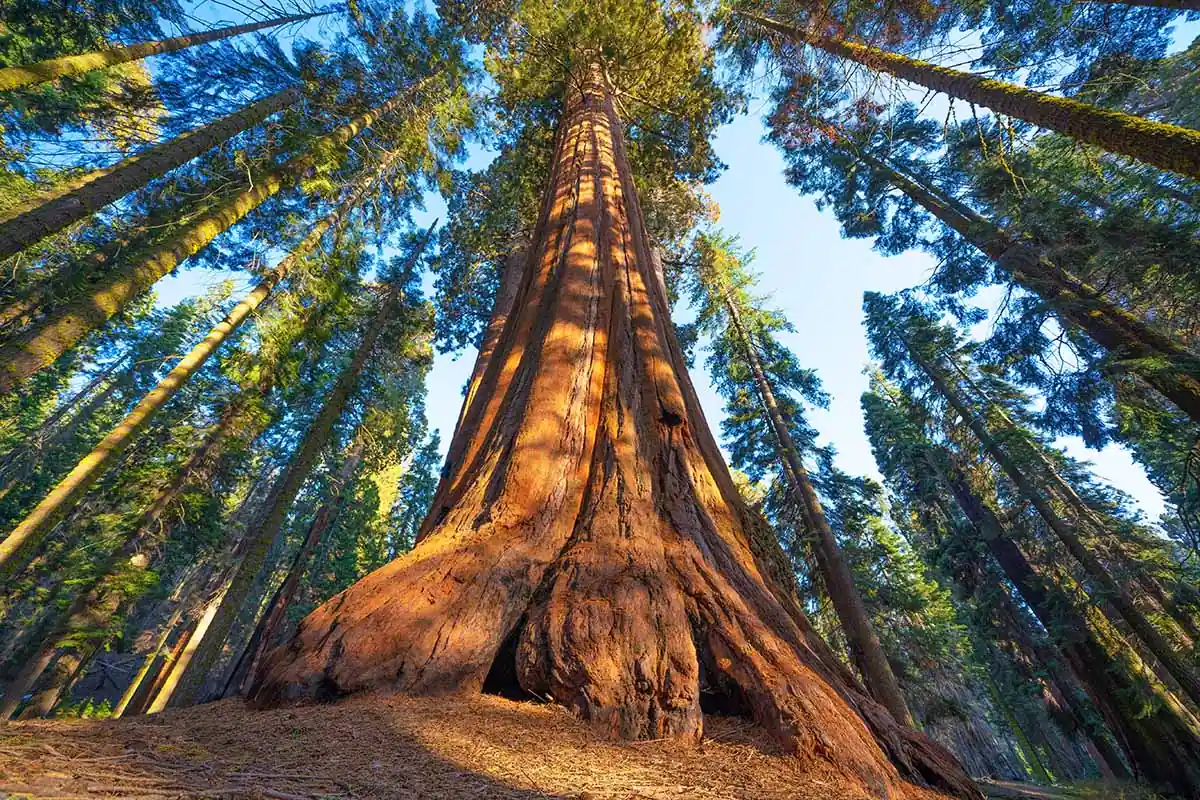
The redwoods are worth visiting at any point in the year, but the experience changes considerably depending on the season. Spring brings lush, waterfall-fed forest and unpredictable weather. Summer offers the most stable conditions and the biggest crowds. Fall balances mild weather with fewer visitors, and winter trades warmth for solitude and dramatic, moody coastal light. This guide breaks down what to expect in each season so a trip can be planned around the kind of visit you actually want.
Redwood Seasons at a Glance
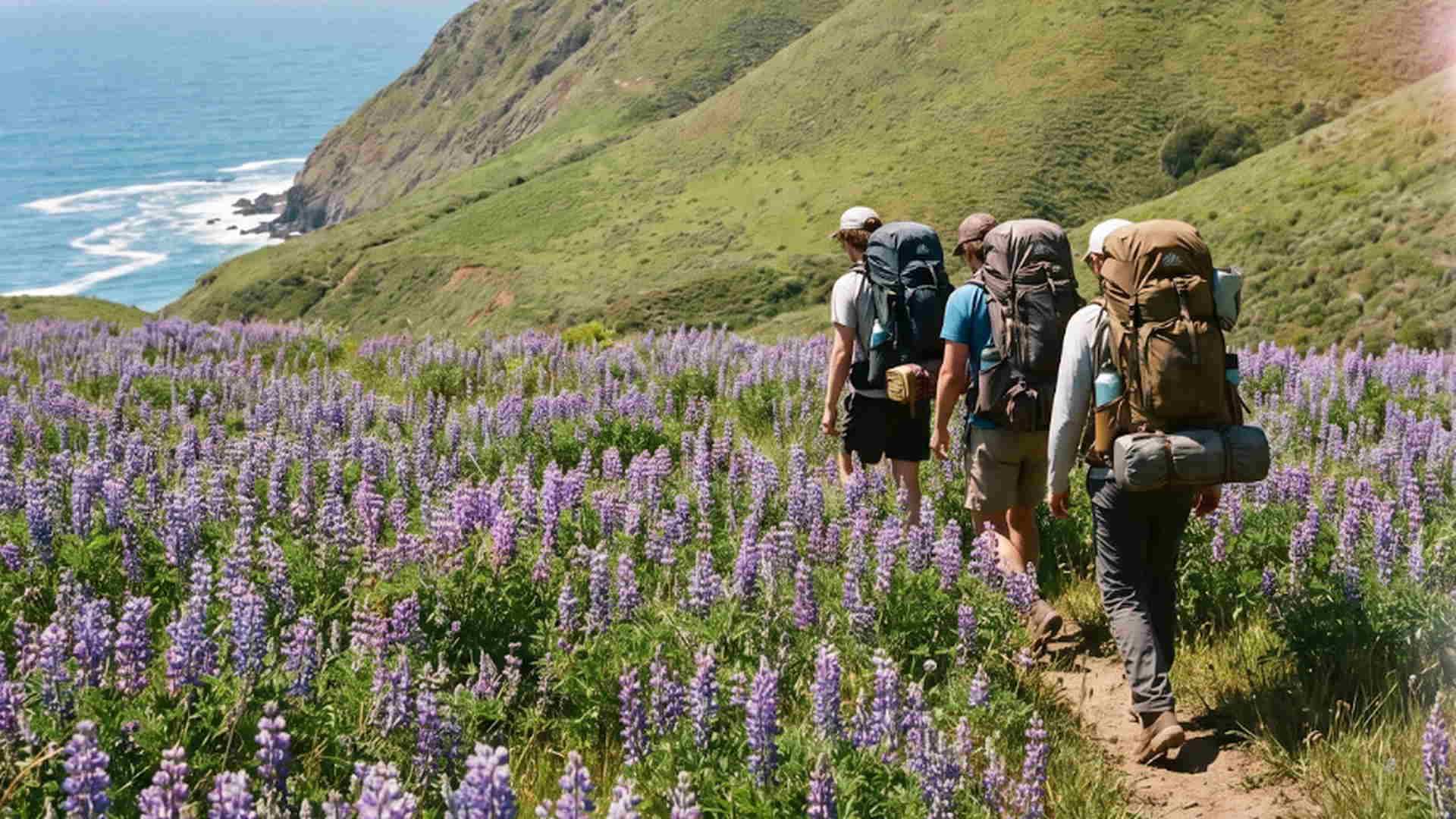
Spring, running March through May, brings a lush, vibrant forest with creeks and waterfalls running full and wildflowers beginning to appear, though rain can make trails muddy and weather can shift quickly. Summer, June through August, delivers the warmest and most stable conditions with long daylight hours, making it the most popular and most crowded time to visit. Fall, September through November, often strikes the best balance of the year, with clearer skies than summer, less fog, and noticeably fewer visitors, though days shorten and temperatures gradually cool. Winter, December through February, sees the fewest visitors of any season, with frequent rain and the possibility of weather-affected roads or trails, in exchange for a deep green, uncrowded forest and dramatic coastal light.

Coastal vs Inland Conditions
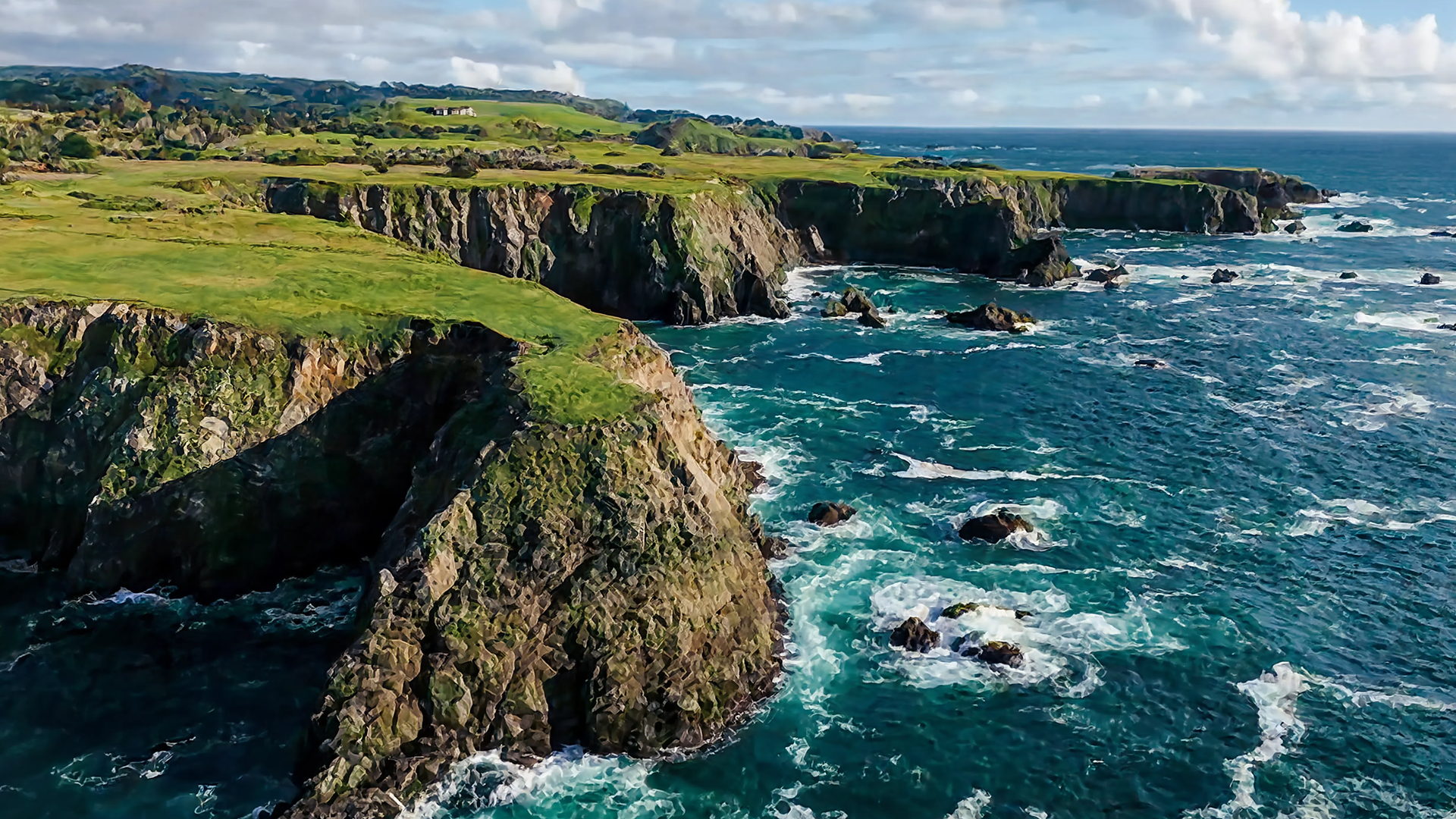
Coastal areas along the Mendocino Coast tend to run cooler, foggier, and windier than inland groves, particularly in summer mornings before the fog burns off. Inland groves such as Montgomery Woods State Natural Reserve are often warmer and more sheltered, making them a good pairing with a coastal stop on the same trip. Building both into an itinerary gives a more complete picture of how the redwood ecosystem changes just a few miles from the ocean.
Planning Tips for Any Season
Dress in layers regardless of the month, since temperatures can shift noticeably over the course of a single day. Morning fog along the coast typically clears by midday, so a late morning start often works better than an early one during summer. Weekdays run quieter than weekends in every season, and winter visitors should always check road and trail conditions before heading out, since rain can affect access to some areas.
FAQ - Frequently Asked Questions
What is the best month to visit the redwoods?
May through October generally offers the most reliable overall conditions for visiting California's redwoods, balancing manageable weather with either warm summer days or the quieter, clearer conditions of early fall.
Is it worth visiting the redwoods in winter?
Yes. Winter brings the fewest visitors and a deep green, quiet forest with dramatic coastal weather, though frequent rain means checking road and trail conditions before heading out is essential.
When is fog least likely at the redwood coast?
Coastal fog is most common in summer mornings and typically clears by midday. Fall generally sees less fog than summer, with clearer skies overall.
Are inland redwood groves warmer than coastal ones?
Yes. Inland groves such as Montgomery Woods State Natural Reserve tend to run warmer and more sheltered than coastal areas, which stay cooler, foggier, and windier throughout the year.
What should I pack for a redwood trip regardless of season?
Layers are essential in every season, since temperatures shift throughout the day even in summer. Waterproof or sturdy footwear also helps on rooted, uneven trails that can stay damp year-round. Plan your visit and check current trail conditions at RFF's Welcome Center in Fort Bragg. Visit redwoodforests.org/atv-tour.