.jpg)


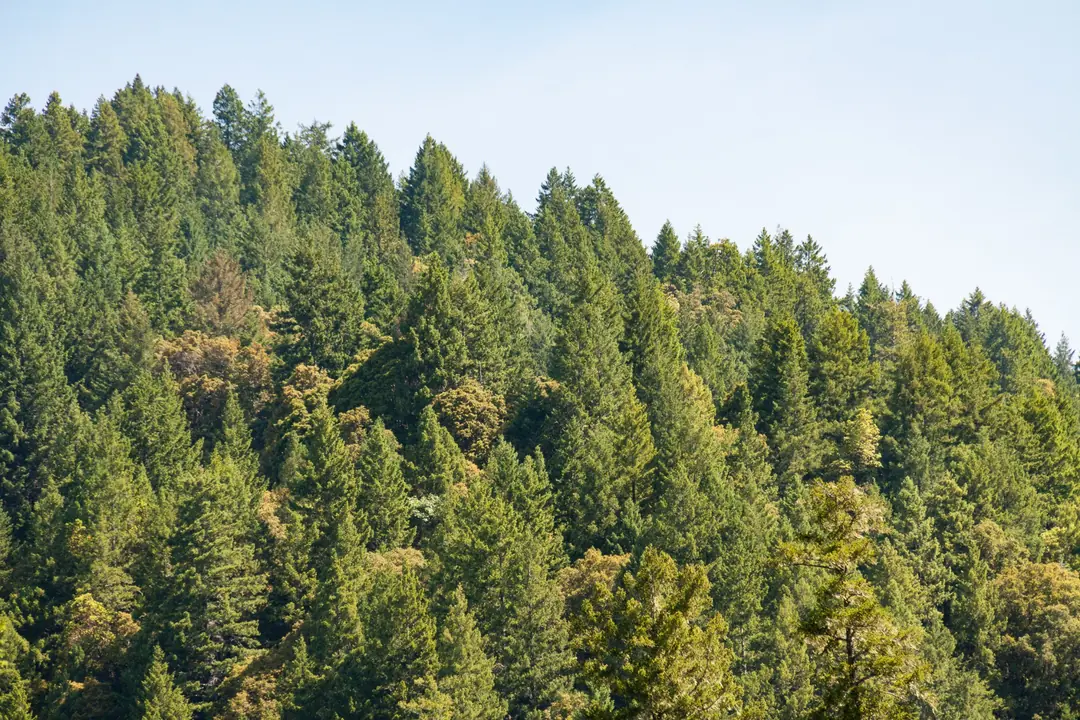
California redwood conservation protects connected forest landscapes while restoring watersheds, improving forest resilience, supporting biodiversity and sustaining responsible community relationships. It is broader than preserving individual old trees: it is long-term care for an entire living system.
What does redwood conservation include?
Modern redwood conservation combines permanent land protection with active stewardship. Depending on the landscape, that can include acquiring threatened property, repairing legacy roads, restoring streams, planting or tending recovering stands, reducing hazardous fuels, monitoring wildlife and building partnerships with tribes and local communities.
No single treatment defines success. Conservation works when actions reinforce one another across a connected landscape and when managers measure how the forest changes over time.
Why landscape scale matters
Wildlife, water and fire do not follow property lines. A stream is influenced by every slope and road in its watershed. Wide-ranging species need connected habitat. Fire resilience depends on conditions across stands, ridges and neighboring ownerships. Protecting isolated groves is valuable, but connected landscapes allow conservation benefits to function at a more meaningful scale.
Old growth, recovering forests and working forests
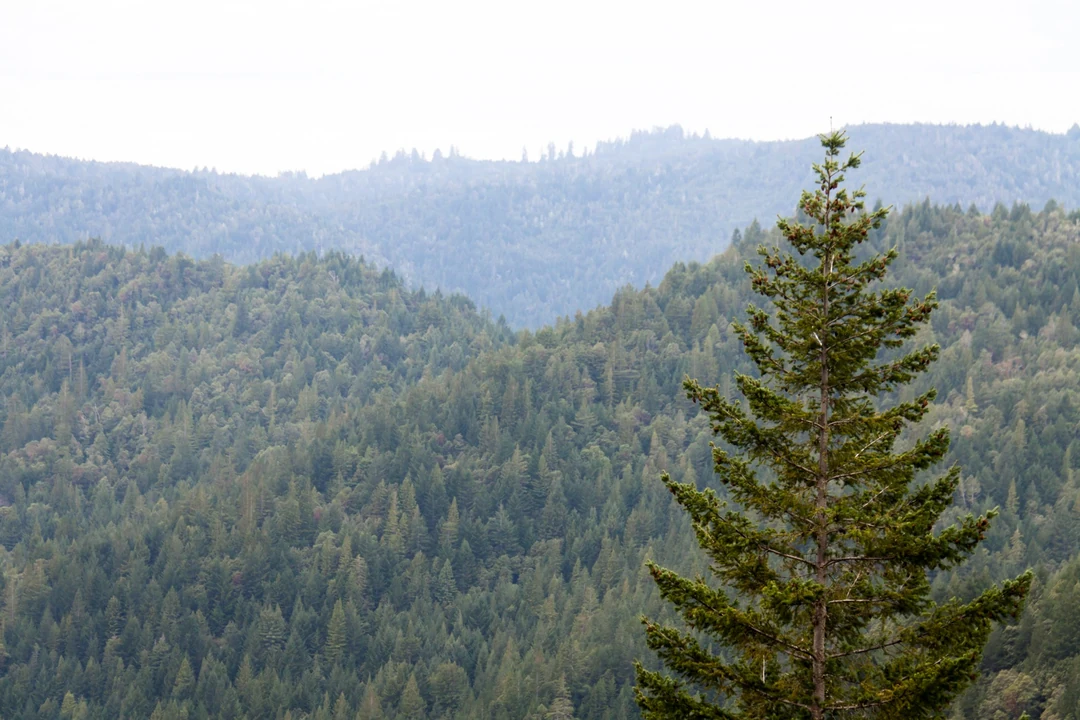
California’s redwood region includes ancient groves, previously logged stands, parks, private timberlands and community forests. These places require different strategies. Old-growth habitat needs strong protection; recovering stands may benefit from active management that encourages structural diversity; working forests need durable rules that keep ecological health central to decision-making.
A working community forest can provide a bridge between strict preservation and short-term extraction by managing for long-term forest condition and community benefit.
The role of watersheds
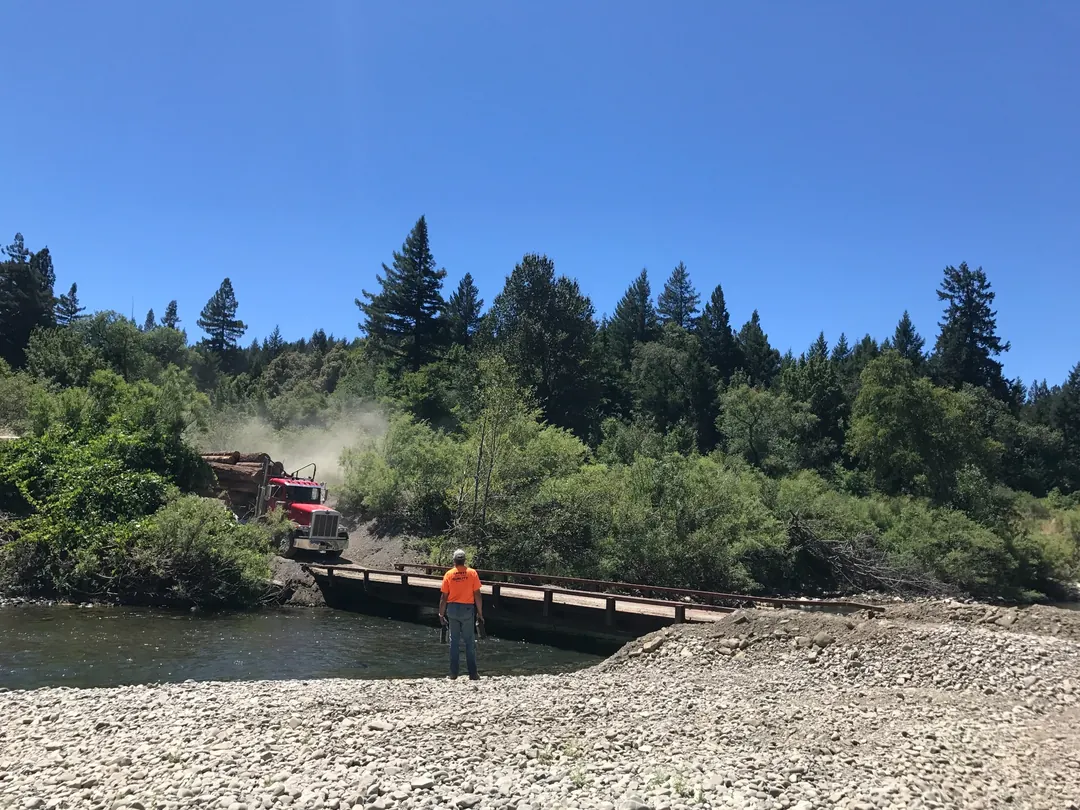
Healthy redwood forests support cool, connected streams. Canopy shade moderates temperature, forest soils absorb rainfall and large wood creates aquatic habitat. Conversely, failing roads and unstable crossings can introduce sediment or block fish passage. RFF’s watershed restoration work addresses these connections from ridge to stream.
Biodiversity and monitoring
Usal Redwood Forest supports species with threatened, endangered or special-concern status. Effective conservation requires managers to know what is present, where conditions are changing and how wildlife responds to management. Remote cameras, acoustic recorders, field surveys and environmental DNA can extend observation across a large landscape.
Learn how the Smart Forest program connects technology with field knowledge and adaptive management.
Climate and fire resilience
Redwoods store substantial carbon, but conservation cannot be reduced to a carbon number. Drought, heat, fire and changing hydrology affect whole ecosystems. Resilience comes from diverse forest structure, protected water, appropriate fuel conditions, connected habitat and the capacity to detect and respond to change.
Community and cultural responsibility
Redwood landscapes are homelands as well as ecosystems. RFF acknowledges that Usal Redwood Forest is on the ancestral and unceded lands of the Wailaki, Cahto, Sinkiyone and Coast Yuki peoples. Meaningful conservation must respect cultural heritage, strengthen relationships with Native peoples and include community voices in the forest’s future.
How to evaluate a conservation organization
- Does it protect land for the long term?
- Does it publish clear goals and evidence of progress?
- Does it fund maintenance and monitoring?
- Does it work at watershed and landscape scale?
- Does it respect tribal and community relationships?
- Does it explain tradeoffs honestly?
Learn about conservation in practice
Explore the Redwood Forest Foundation mission, visit Usal through an authorized guided experience or support long-term work through ways to give.
Conservation uses more than one tool
Fee acquisition gives an organization direct ownership and management responsibility. A conservation easement keeps land with an owner while limiting uses that would undermine conservation values. Restoration agreements coordinate defined work, while public grants and philanthropy may support purchase, planning, construction or monitoring. Strong projects match the legal and financial tool to a realistic stewardship plan.
Active stewardship in recovering forests
Some previously logged stands grow back densely and uniformly. Trees may compete for light and water, and the stand may lack the layered structure and large woody features found in older forests. Carefully designed treatments can encourage healthier trees, greater structural diversity and more resilient habitat. These decisions must be tailored to each site and evaluated over time; there is no single prescription for every redwood forest.
The National Park Service overview of restoration at Redwood National and State Parks offers useful background on second-growth forests, legacy roads and stream crossings. RFF applies restoration and monitoring within the distinct setting of Usal Redwood Forest.
Measure the condition of the forest
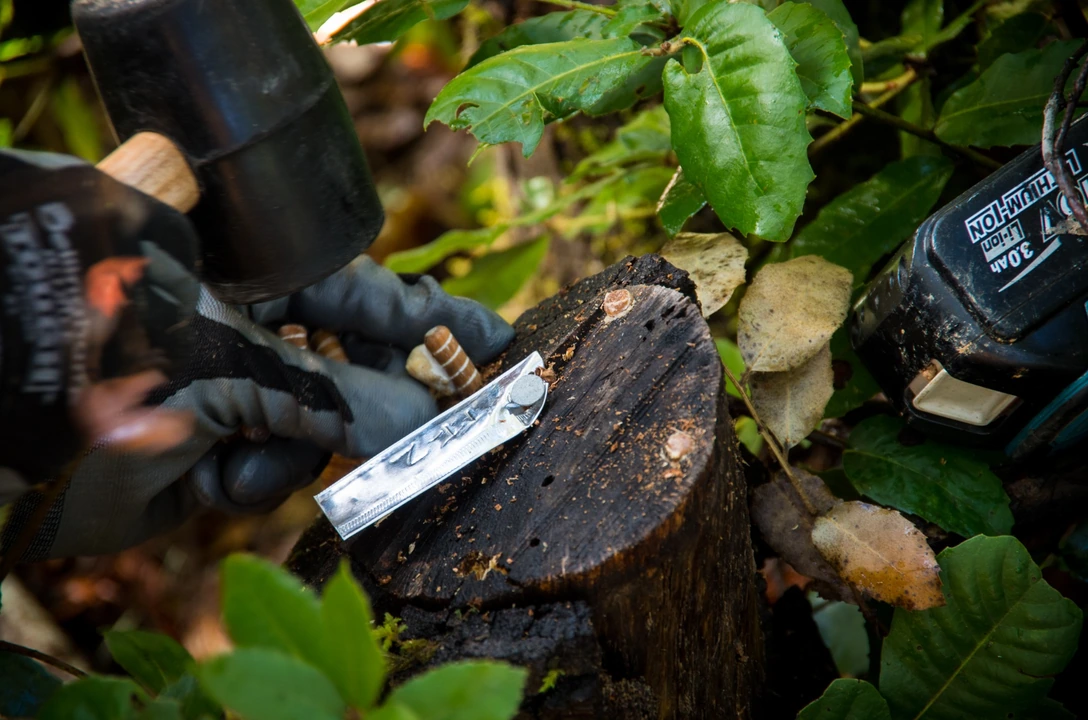
Acres treated tell only part of the story. Managers may also examine tree diversity, canopy structure, road-related sediment risk, stream temperature, habitat connectivity and wildlife detections. Community participation, tribal relationships, responsible access and transparent reporting are part of long-term stewardship too. Conservation is not a finished state; it is the continuing practice of protecting options, reducing preventable risks and helping ecological processes recover.
Stay connected to the work
Redwood forests change over decades, and responsible stewardship continues in every season. Follow Redwood Forest Foundation’s field stories and program updates to see how restoration, monitoring and community partnerships evolve at Usal Redwood Forest. Readers who want to help can explore ways to support long-term care of the forest.
FAQ - Frequently Asked Questions
What does redwood conservation include?
It includes land protection, forest and watershed restoration, scientific monitoring, community stewardship and sustainable long-term management.
How is forest restoration different from protection?
Protection secures the land from conversion or incompatible use. Restoration actively repairs ecological damage and accelerates recovery.
Why are salmon watersheds part of redwood conservation?
Redwood forests and streams function together. Canopy, soils, roads and fallen wood influence water temperature, sediment and fish habitat.
How does technology support conservation?
Sensors, cameras, surveys and mapping help establish baseline conditions and measure changes in wildlife, water and forest health.
How can donors support Redwood Forest Foundation?
Donors can support long-term stewardship, watershed recovery, forest health, monitoring and community programs through RFF's official support channels.