.jpg)



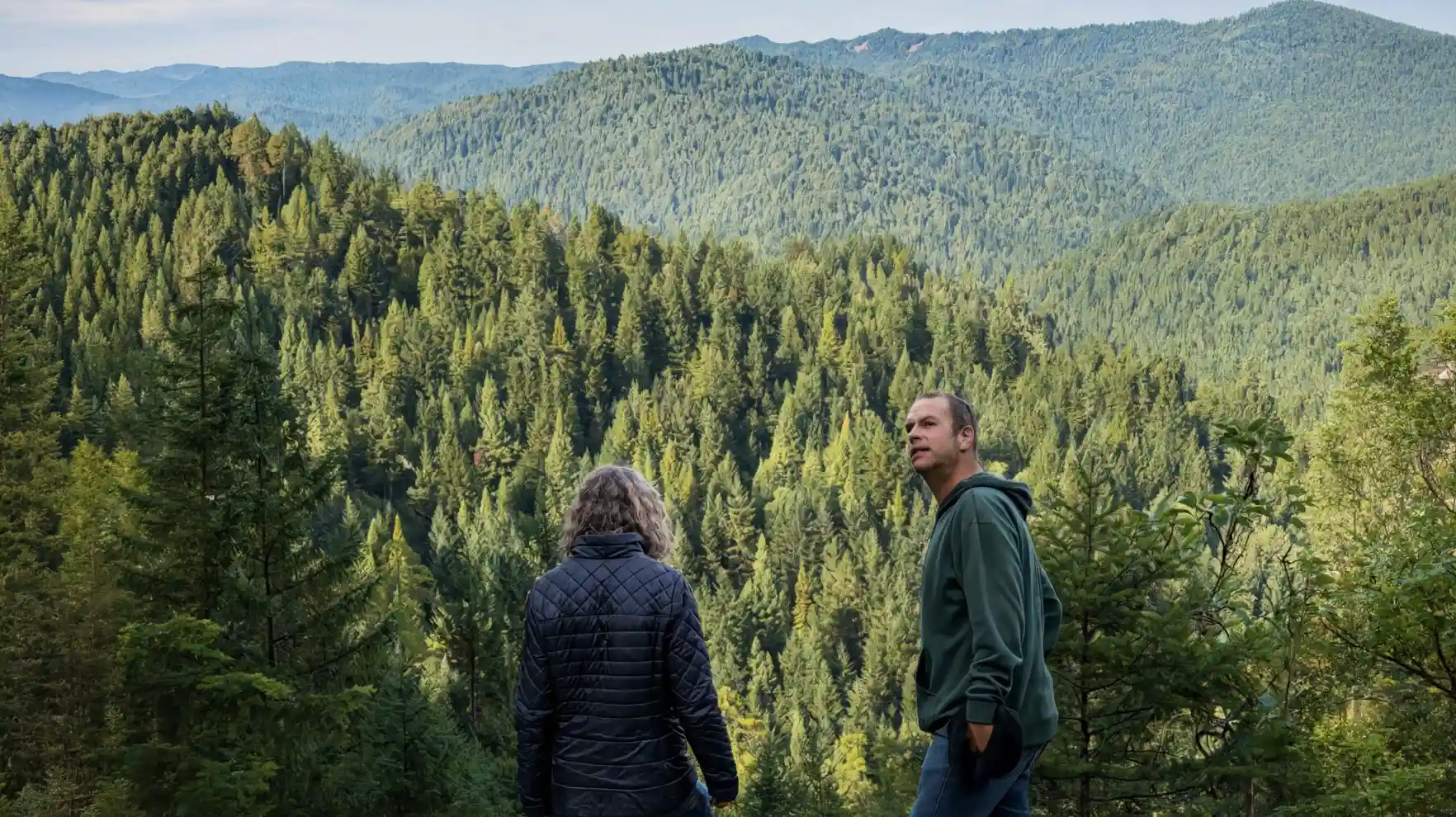
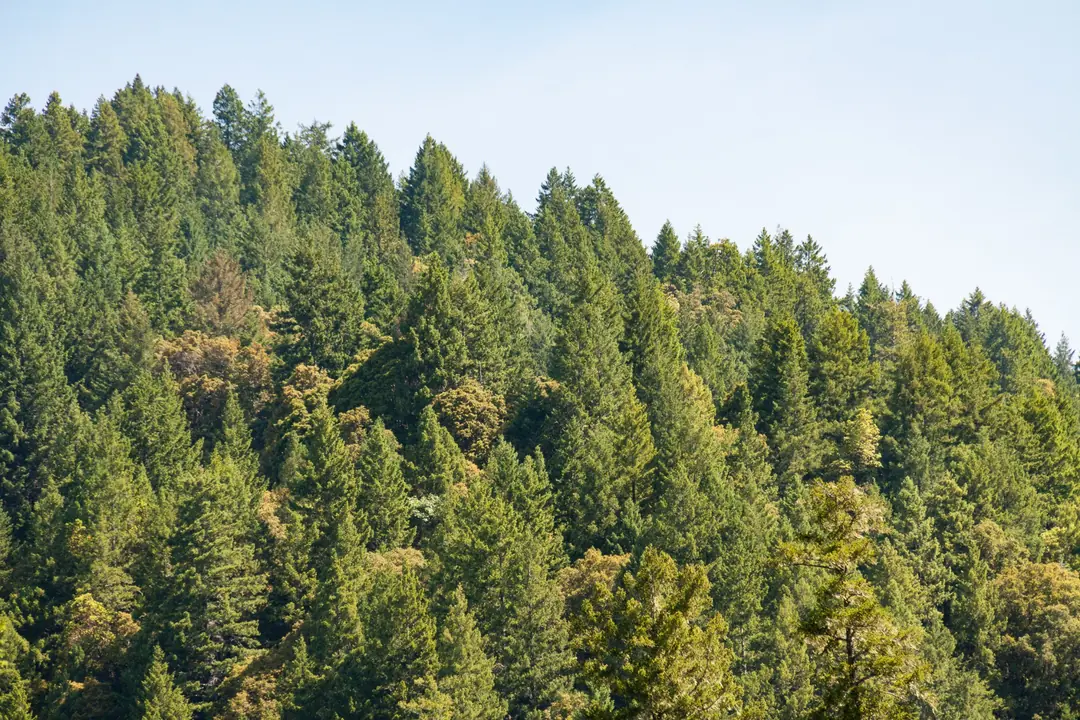
Coast redwoods are the tallest trees on Earth, but their most significant role in the current moment may not be their height. It is their carbon storage, also known as carbon sequestration. A mature coast redwood forest accumulates carbon for centuries, storing it in wood, roots, soil, and the fungal networks that run beneath the surface. The forest at Usal Redwood Forest on the Mendocino Coast currently holds 4.8 million metric tons of CO2e, verified through a network of sensors, dendrometers, and aerial mapping. Understanding what that means, and what threatens it, is worth the time.
What Does Carbon Storage in a Forest Actually Mean?
A tree grows by pulling carbon dioxide from the air and converting it into wood. That carbon stays locked in the wood for as long as the tree is alive, and in the case of coast redwoods, alive can mean more than 2,000 years.
When a forest burns in a high-intensity wildfire or is logged, that stored carbon is released back into the atmosphere relatively quickly. The carbon that took a mature redwood 500 years to accumulate can return to the atmosphere in a matter of days through fire, or over decades as logged timber decomposes. Protecting the forest prevents that release and keeps centuries of stored carbon in place.
Old-growth and mature forest are the most carbon-dense landscapes. A young plantation of trees planted after logging will take decades to reach even a fraction of the carbon stored by the mature forest it replaced. There is no shortcut. The carbon value of an old-growth or recovering redwood forest is built over generations, not planted in a season.
Why Do Redwoods Store More Carbon Than Other Trees?
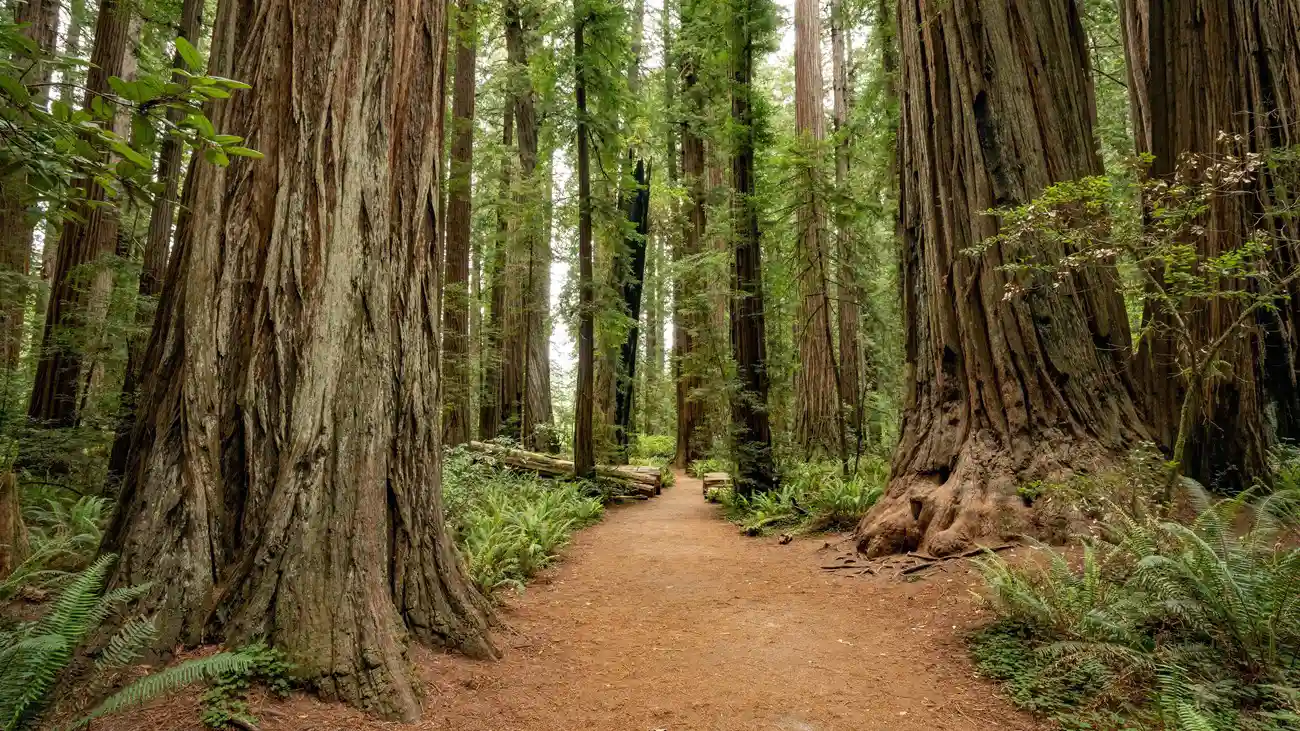
Coast redwoods out-store most trees because of four compounding traits working together: thick insulating bark, a fast growth rate, extreme longevity, and expansive root and soil networks. Combined, these traits make old-growth and mature redwood forest among the most carbon-dense ecosystems on Earth.
- Bark thickness: a mature coast redwood can develop bark up to 12 inches thick, decades of accumulated woody biomass holding carbon out of the atmosphere.
- Growth rate: coast redwoods grow quickly relative to their size, so they accumulate biomass, and carbon, faster than slower-growing species of similar scale.
- Longevity: a tree that lives 2,000 years keeps storing carbon for 2,000 years, giving old-growth trees a compounding advantage over younger trees of the same species.
- Root networks and soil carbon: wide-reaching root systems support fungal networks that store additional carbon in the soil, on top of what's held in the living trees and dead wood.

How Does Carbon Storage Connect to Salmon Habitat?
Carbon storage is the most discussed climate function of redwood forests, but it is not isolated from the forest's other roles. Healthy redwood forest filters rainwater as it moves through the canopy, roots, and soil. It stabilizes stream banks, reduces erosion, and maintains water temperatures in salmon-bearing streams.
At Usal, the watershed restoration work is inseparable from the climate work. The shade canopy being rebuilt through riparian replanting keeps Usal Creek cool enough for juvenile coho salmon through summer. The roads being decommissioned reduce sediment loads that would otherwise bury spawning gravel. These outcomes are connected to the same forest management decisions that protect the carbon stock.
In April 2025, CDFW biologists confirmed coho salmon fry in South Fork Usal Creek for the first time since 2013, a direct outcome of more than a decade of watershed restoration guided by continuous monitoring data. The find echoes a broader rebound NOAA Fisheries has documented for coho salmon along the Mendocino Coast.
What the Numbers at Usal Show
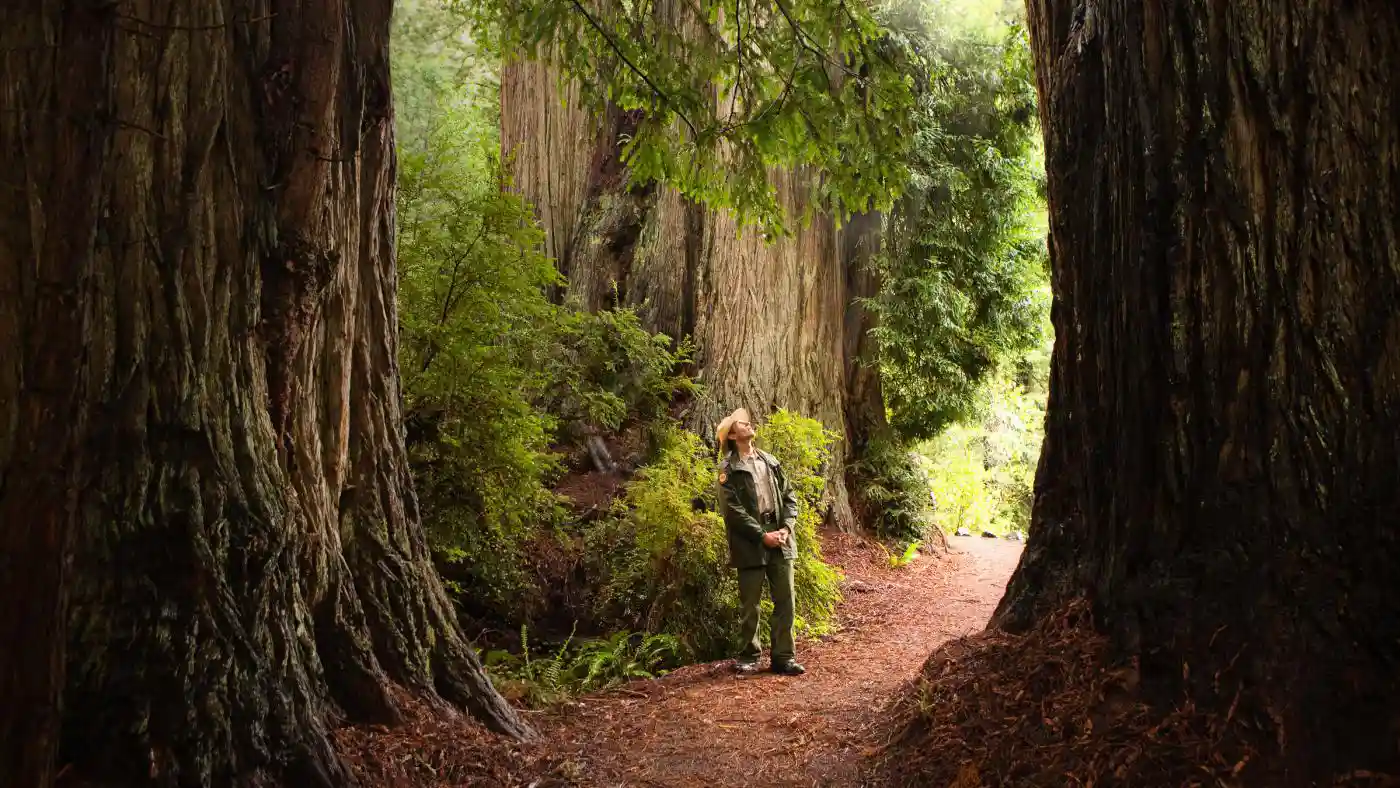
The forest at Usal currently holds 4.8 million metric tons of CO2e, tracked and verified through the smart forest monitoring system. Over 35 million trees are standing and growing across the 50,000-acre property. 250,000 native redwoods have been planted, adding to the long-term carbon stock of the forest as those trees mature over coming decades and centuries.
The monitoring system that produces these figures includes dendrometers that measure individual tree growth down to the millimeter, drone and GIS aerial mapping for canopy assessment, and a science platform in partnership with NatureMetrics that produces accredited reporting. The carbon figures are not estimates. They are continuously updated and independently verifiable.
FAQ - Frequently Asked Questions
How do coast redwood forests fight climate change?
Coast redwood forests store large quantities of carbon in their wood, roots, and soil for centuries. A mature redwood forest is an active carbon sink that keeps pulling carbon from the atmosphere as long as the trees are growing. Protecting existing old-growth and mature forest prevents the rapid release of centuries of stored carbon that would occur through logging or high-intensity wildfire.
How much carbon does a redwood forest store?
Carbon storage varies by forest age and structure. At Usal Redwood Forest on the Mendocino Coast, the 50,000-acre property currently holds a verified 4.8 million metric tons of CO2e. Old-growth and mature coast redwood forests are among the highest carbon-density forests per acre on Earth.
Why is old-growth forest more valuable for carbon than new plantations?
Old-growth trees have accumulated biomass for centuries, storing proportionally more carbon than younger trees. A plantation planted after logging will take decades to reach even a fraction of the carbon stored in the mature forest it replaced. The carbon value of old-growth forest is built over generations and cannot be replicated quickly.
Does protecting forests help with climate change?
Yes. Preventing deforestation and forest degradation is one of the most cost-effective near-term climate strategies available. The carbon stored in a standing forest does not enter the atmosphere as long as the forest remains intact. Active restoration of degraded forest also removes additional carbon from the atmosphere as replanted trees grow.
What is the connection between redwood forests and salmon?
Healthy redwood forest maintains the water temperature and water quality in salmon-bearing streams. Shade canopy keeps creek temperatures cool through summer when juvenile coho are most vulnerable. Root systems stabilize stream banks and reduce sediment. At Usal, the watershed restoration work that supports salmon habitat is funded and guided through the same conservation program that protects the forest's carbon stock.