April 25, 2026
Into The Wild
AFTER MORE THAN A DECADE, COHO SALMON ARE BACK IN THIS CREEK.

April 25, 2026
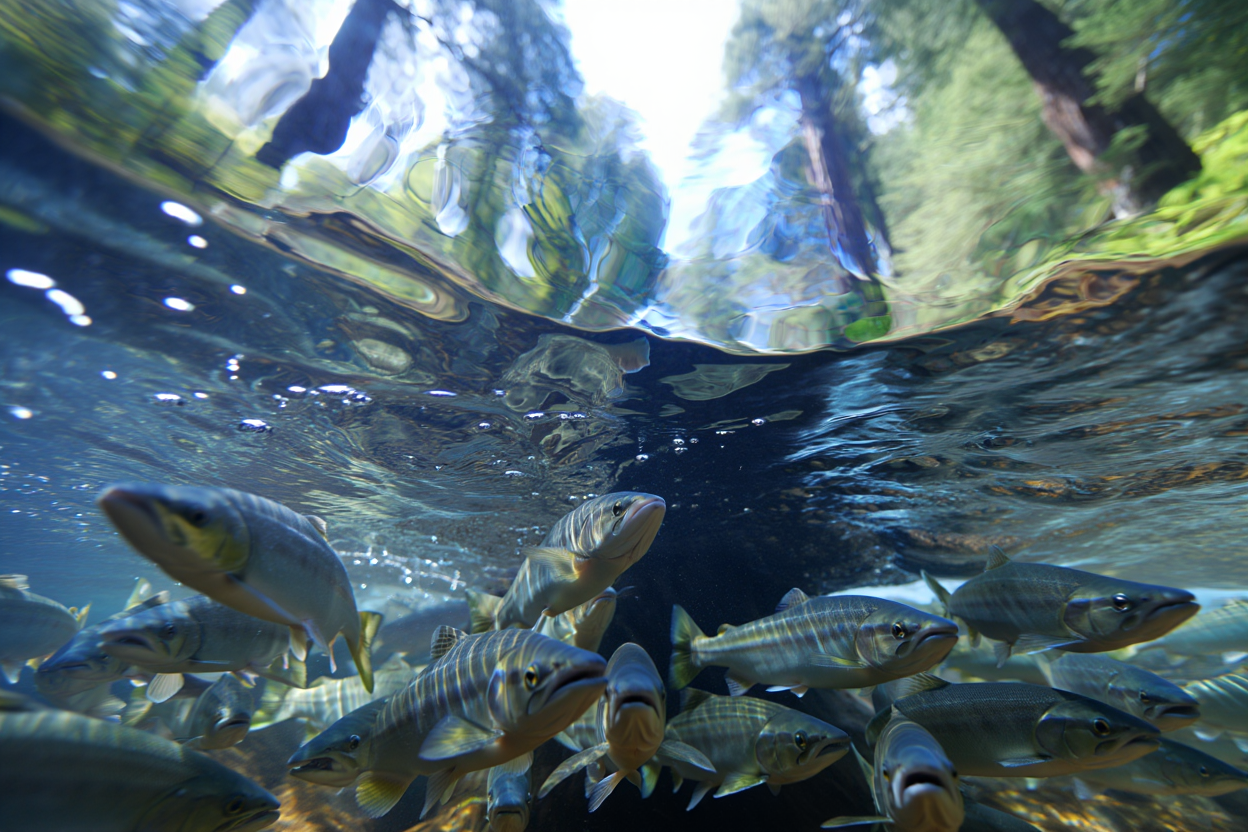
In April 2025, California Department of Fish and Wildlife biologists confirmed the presence of endangered Central Coast coho salmon fry in the South Fork of Usal Creek, a watershed managed by the Redwood Forest Foundation on the Mendocino Coast. It was the first confirmed coho presence in Usal Creek since 2013. The fish were small, carrying the distinctive vertical parr marks that identify juvenile coho, and they were spotted darting in the calm side-pools of the creek beneath the log structures that RFFI's restoration crew had installed more than a decade earlier. They were using the habitat exactly the way it was designed to be used.
The return of even a few fry to a watershed where the species had been absent for more than a decade is, by any ecological measure, significant. It means that at least one adult spawning pair found its way into Usal Creek the previous winter and successfully reproduced, an event that had not been documented here in years. For the team that has been doing the ground-level work since 2014, it was the kind of confirmation that most restoration ecologists wait their entire career to see.
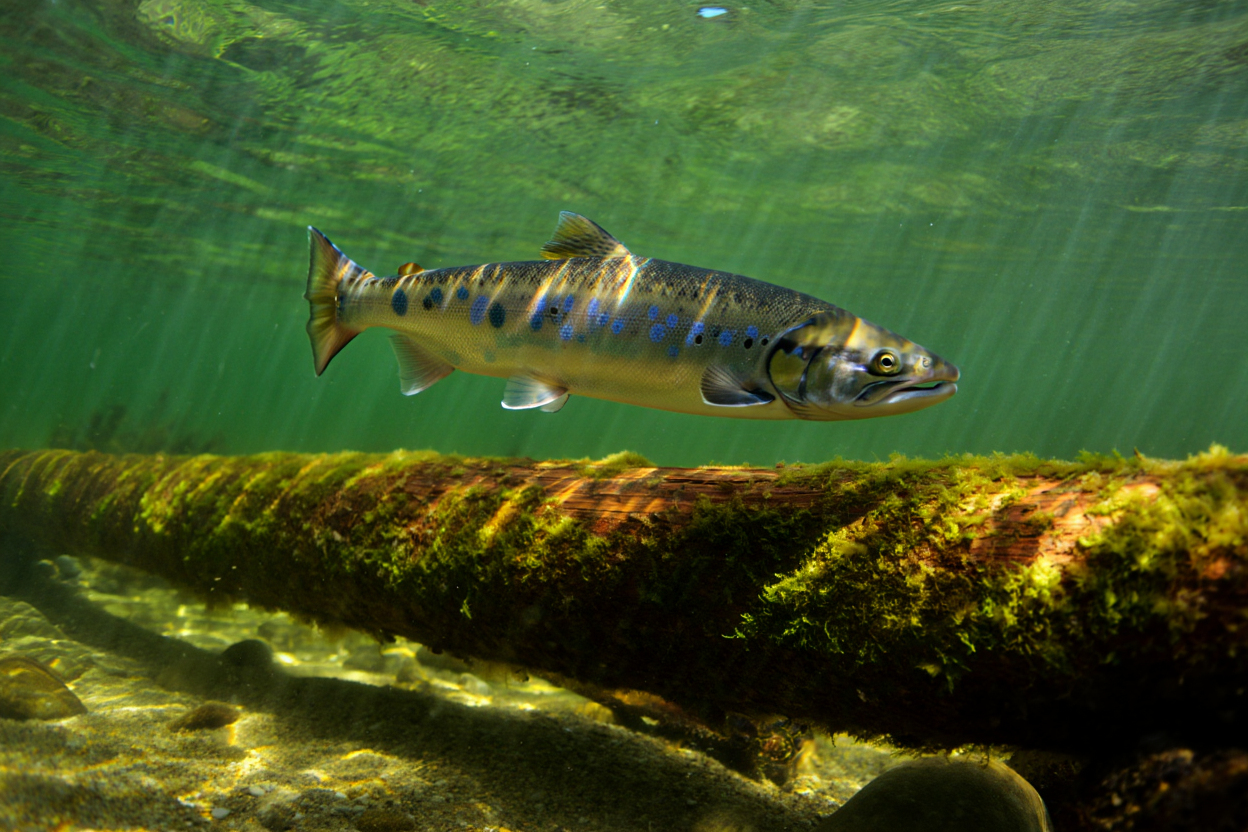
A coho salmon's life runs on a precise biological clock. Born in freshwater, a juvenile coho spends roughly eighteen months in the stream where it hatched, growing large enough to survive the ocean. Then it migrates to the Pacific and lives there for another eighteen months before returning to spawn in the same creek where its life began. The entire cycle takes three years, and every phase depends on conditions that the stream and the surrounding forest have to provide in sequence.
In their freshwater phase, juvenile coho need cold, shaded water, complex channel structure with deep pools to shelter in during winter floods, side channels where insects fall from overhanging vegetation, and gravel beds clean enough for females to excavate nests called redds. Water temperature matters enormously. If a stream warms too much through summer, dissolved oxygen drops, and the juveniles that cannot tolerate the heat simply die before they ever reach the ocean.
The streams running through the Usal watershed were, before industrial logging reshaped the land, exactly the kind of habitat coho had used for thousands of years. Old trees fallen across the creek created natural pools. Canopy shaded the water and kept it cool. Root systems held the streambanks in place and filtered runoff before it reached the channel. When the logging came and the canopy was stripped from the creek corridors, roads were pushed across hillsides and through streambeds, and the slopes that had been stable for centuries began to erode. Sediment buried the spawning gravel. Summer water temperatures climbed. Access to upstream tributaries was blocked by undersized culverts that fish could not pass.
By 2013, coho had disappeared from Usal Creek entirely. The species was already listed as endangered under federal law, and locally the situation was clear: the watershed could no longer support them.
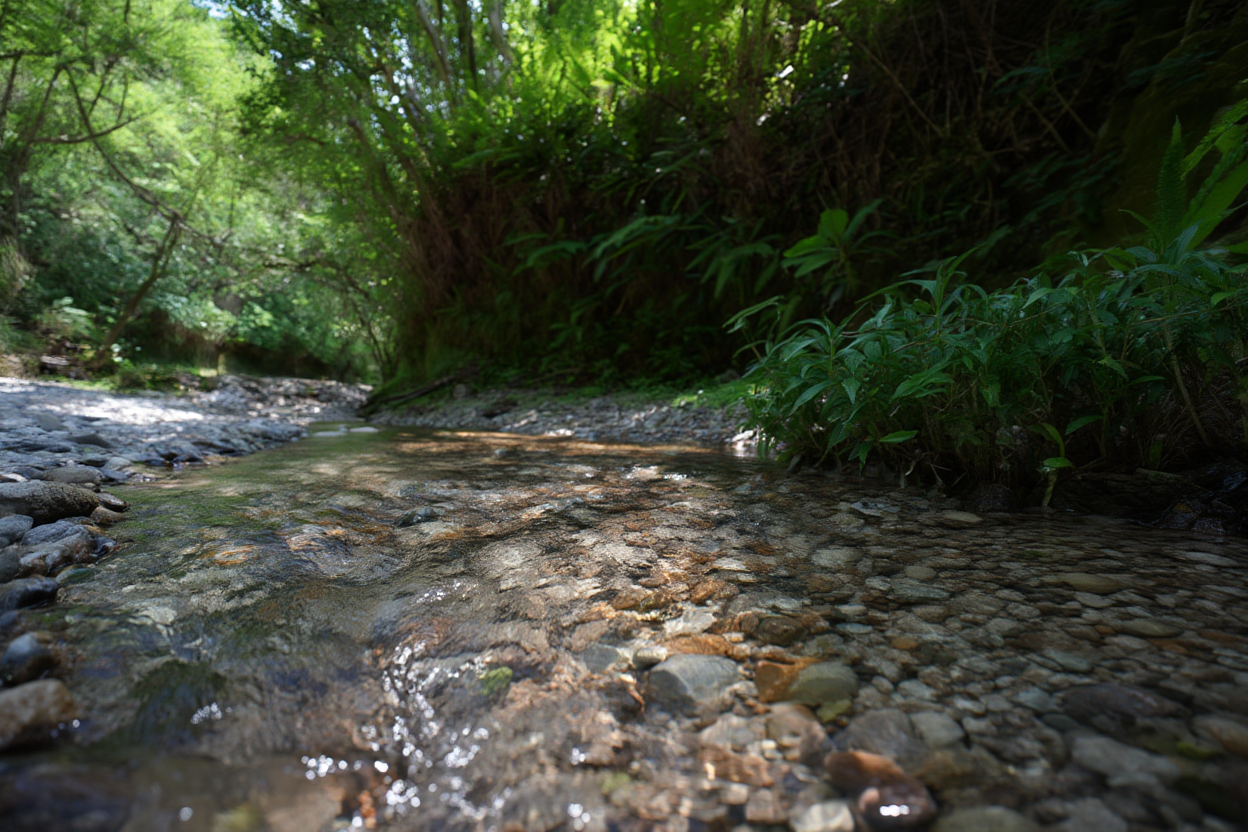
RFFI has managed Usal Redwood Forest since acquiring it in 2007, and salmon habitat restoration became one of the primary focuses of that work. The approach was built on a straightforward principle that is harder to execute than it sounds: you cannot fix the water without fixing the land above it.
The first major structural intervention in the South Fork came in 2014, when RFFI partnered with Trout Unlimited to install approximately 90 large woody debris structures along 1.9 miles of South Fork Usal Creek. Large woody debris, the logs, root wads, and trunk sections that naturally fall into healthy streams, is what creates the pool and riffle complexity that juvenile coho depend on. Without it, a stream runs fast and shallow, provides little shelter, and offers almost nowhere for a juvenile fish to rest during high winter flows. With it, the stream slows, deepens in places, and begins to build the kind of varied physical habitat where a small fish can find refuge, food, and thermal shelter across all four seasons.
This single project was designed to answer a specific biological need. Fisheries research had consistently shown that adding large wood, boulders, and complex structural elements to degraded streams is among the most critical interventions for preventing coho extinction at the watershed level by improving pool depth and shelter availability. At Usal, the structures were placed in sections of the South Fork where surveys had shown the most critical habitat deficits, and the work was funded in part through California's salmon restoration grant programs.
Alongside the in-stream work, RFFI decommissioned old logging roads that had been feeding sediment directly into the creek system. Eroding stream banks were stabilized. Riparian areas were replanted with native vegetation to begin rebuilding the shade canopy that controls summer water temperatures. These efforts were slower to show results than the physical structures, because a young tree planted along a creek bank takes years to grow tall enough to shade the water, but the trajectory was measurable and moving in the right direction with each season.
Across the broader Usal property, the restoration footprint continued to expand. Today, 20 miles of streams across the watershed have been restored for salmon and trout, and the evidence of that work is visible on the ground in the creek pools, the replanted corridors, and the sections of road that have been reshaped to redirect drainage away from the channel.
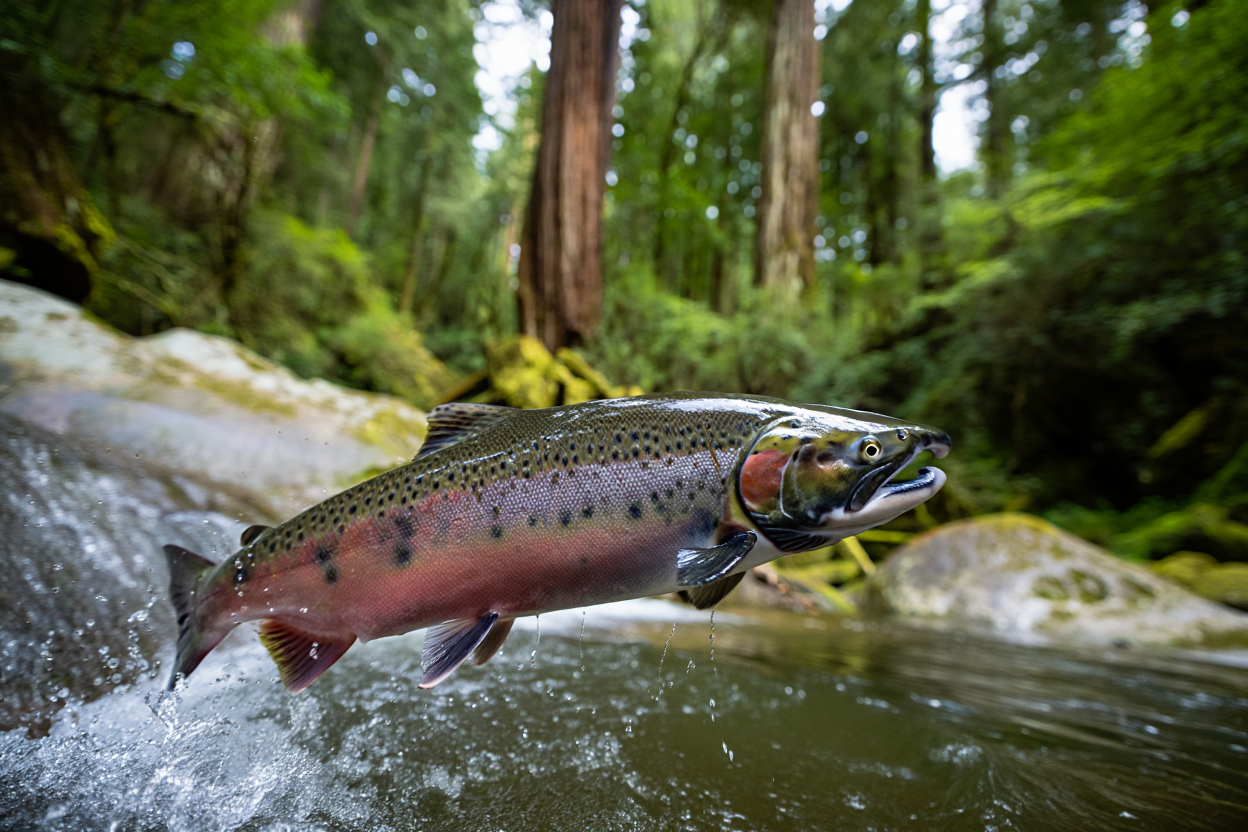
Coho did not reappear in Usal Creek because of any single intervention. They came back because two things aligned: the habitat had been rebuilt well enough to support them, and the broader Mendocino Coast experienced the kind of winter rain events that allow adult fish to access upstream spawning grounds.
After several drought years that had restricted adult coho migration throughout Northern California, the winters of 2023 and 2024 brought abundant rainfall. River flows rose high enough to reconnect creeks to the ocean and to the main stem rivers where adult coho had been waiting. The Mendocino Coast saw record-breaking adult coho returns during the 2024 winter spawning run, with more than 30,000 fish counted across regional watersheds, the highest numbers since monitoring began. Stronger flows and improved habitat conditions downstream created the conditions for at least one pair of adults to stray into Usal Creek and find it worth spawning in.
What the April 2025 survey confirmed is that the female built a redd in the South Fork and successfully spawned. The fry that biologists Miranda and Meghan spotted, reviewed by CDFW senior environmentalist Sarah Gallagher, were alive, healthy, and holding position in the pools beneath the log structures that RFFI had installed more than a decade earlier. The fish were using the rebuilt habitat exactly as intended.
The RFFI field report describes this as a perfect convergence: years of careful restoration work meeting a season where nature provided the conditions to complete what the restoration had prepared for. The presence of live fry in side-pools beneath installed log structures is the clearest possible confirmation that the habitat improvements are functioning.
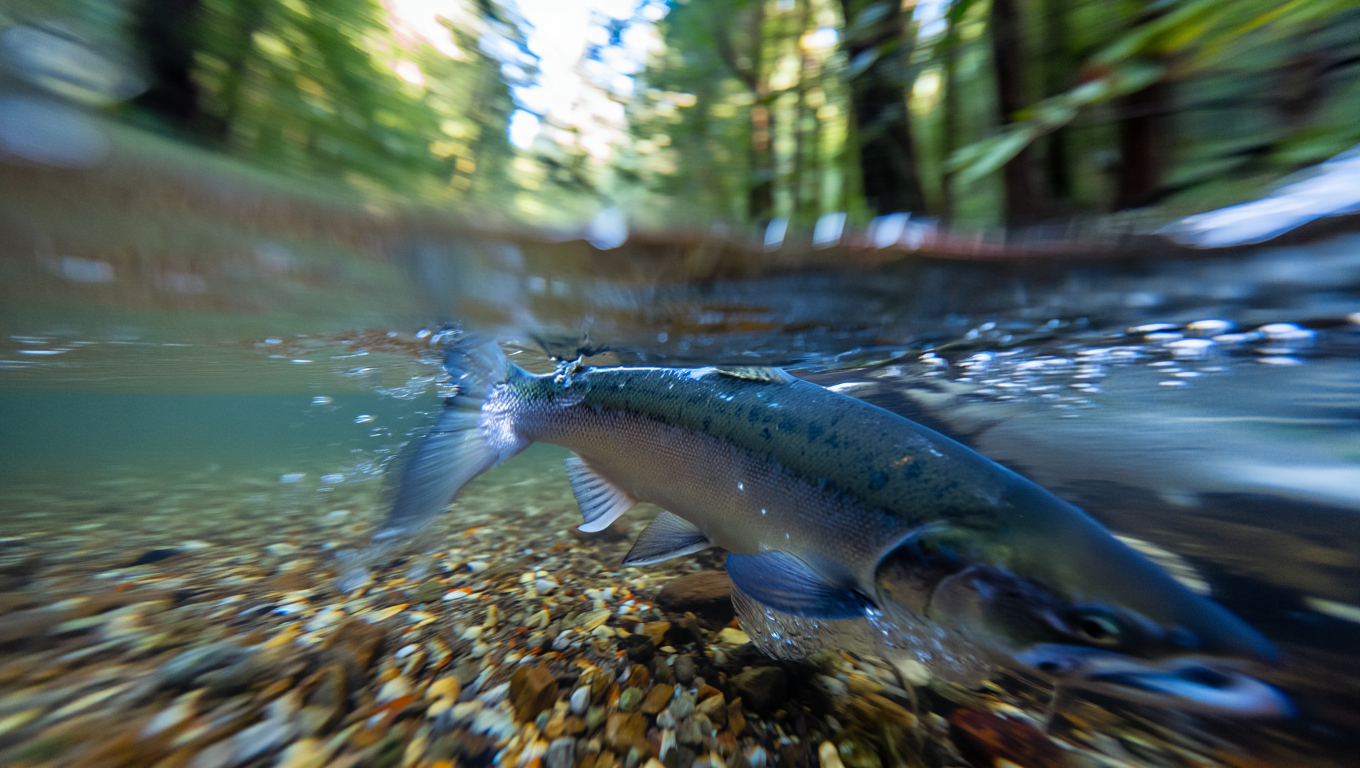
It is worth slowing down on what this finding represents ecologically, because the significance is easy to understate.
Coho salmon have been listed as endangered under federal law since 2005. In the preceding decade, CDFW surveys of Usal Creek returned no confirmed sightings. The species was functionally absent from this watershed. The question facing the restoration team was not whether the work would make the stream better in some general sense, but whether it could recover specific biological conditions, pool depth, water temperature, food availability, channel stability, to the point where a fish that had not been present for over a decade would choose this stream and find it viable.
A fry darting in a pool beneath a log structure is the answer to that question. It means an adult made the decision to enter this creek. It means she found clean gravel suitable for a redd. It means she spawned, the eggs survived, the fry hatched, and they found enough shelter and food in the immediate habitat to be alive and growing when the survey team waded in.
The RFFI team is treating this as a milestone and a starting point rather than a conclusion. The monitoring work will continue across the coming seasons to track whether the fry survive to smolt stage and eventually migrate to the ocean, and whether adult coho return to Usal Creek in subsequent winters to spawn again. The long-term goal is not a single documented return but a self-sustaining coho population using this watershed as part of its regular range.
There is a detail that gets lost in most salmon restoration stories, and it matters for understanding why a forest organization is doing fisheries work.
A salmon stream is an expression of everything happening on the hillside above it. The water temperature, the sediment load, the depth and clarity of the pools, the insect populations that feed juvenile fish, all of these are downstream consequences of how the surrounding forest is being managed. Install structures in the stream while the hillside above continues to erode, and the sediment those slopes produce will undo the structures within a few seasons. The stream and the forest have to be restored as one system, or neither holds.
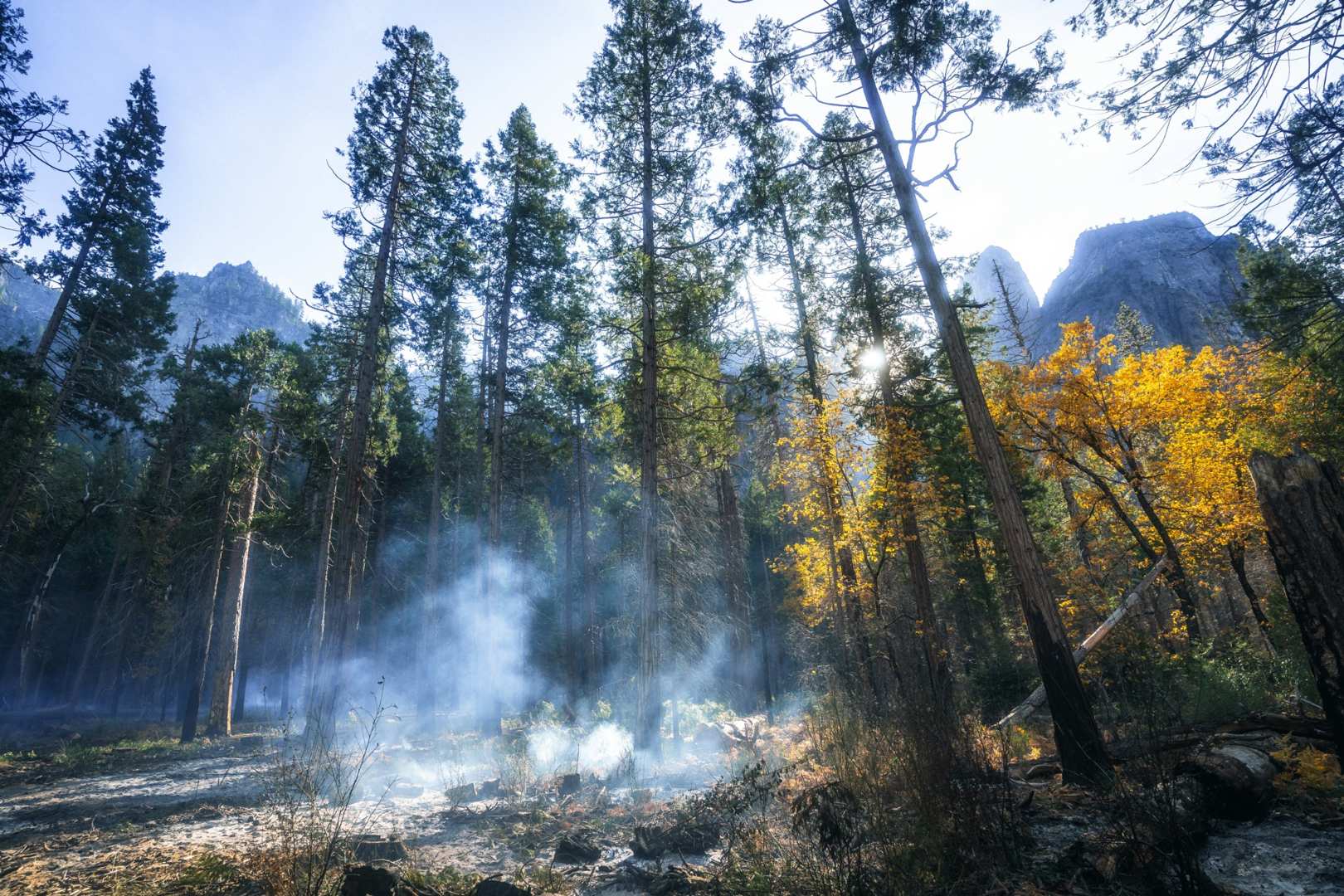
This is what RFFI has been doing at Usal since 2007. The road decommissioning that reduced sediment inputs to the creek was forest management work. The riparian replanting that is rebuilding shade canopy over the stream was reforestation work. The cultural burns at sites like Parker Flat, which are reducing fuel load and restoring native plant systems across the watershed, are part of the same system that keeps the soil stable and the creek running cool. The 250,000 native redwoods planted across the property include trees specifically positioned along creek corridors because their canopy, when it matures, will shade the water through the summer months when coho juveniles are most vulnerable to thermal stress.
The fry confirmed in South Fork Usal Creek in April 2025 are the product of all of this working together. The log structures gave them shelter. The reduced sediment load kept the gravel clean enough for a redd. The replanted riparian canopy is beginning to reduce summer water temperatures in the reaches where it has had time to grow. The broader forest management has kept the slopes from sending new erosion into the channel. The salmon came back because the watershed, taken as a whole, crossed a threshold where it could support them again.
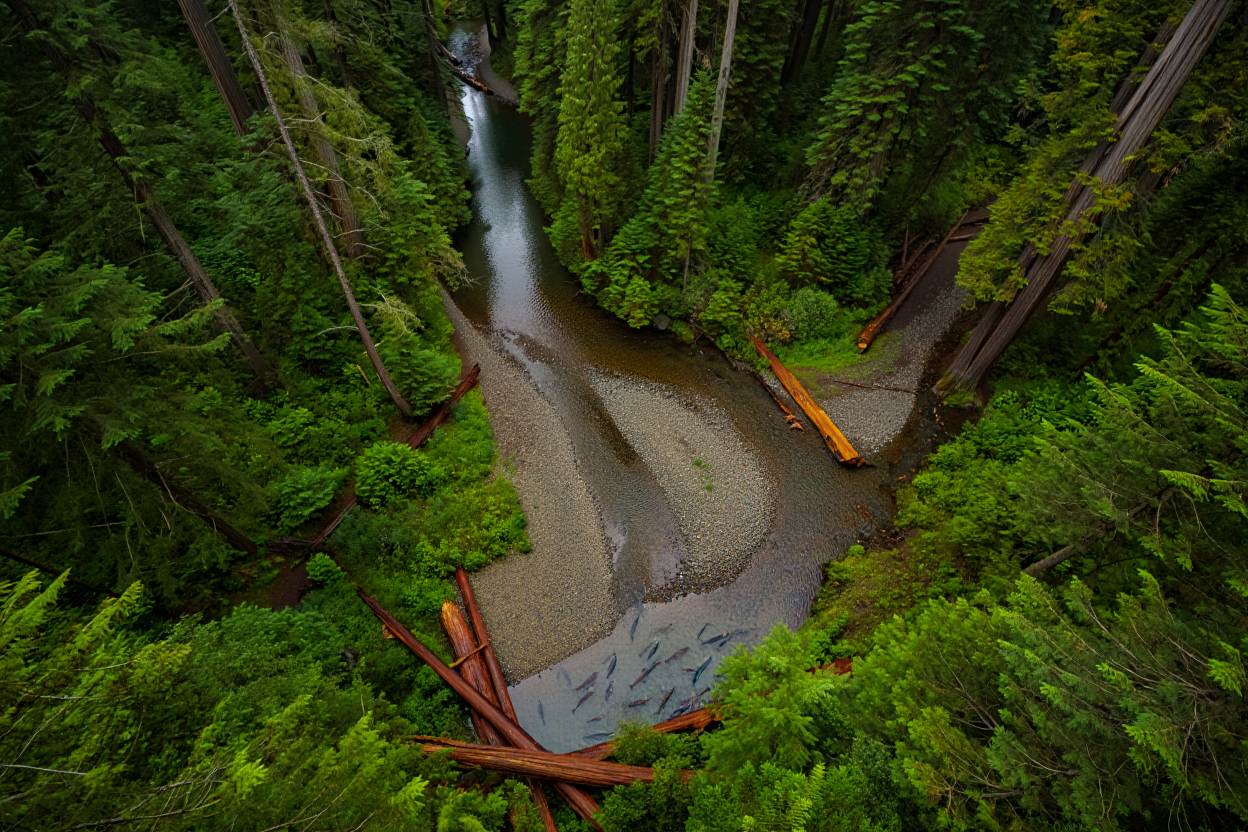
Central California Coast coho salmon have been listed as endangered under the Endangered Species Act since 1996. During the 2024-2025 spawning season, more than 30,000 adults returned to Mendocino Coast rivers, the highest number since monitoring began, but the species remains listed and long-term recovery depends on continued habitat restoration.
Industrial logging, road building, and land use changes across the coast redwood range degraded the freshwater streams coho depend on. Canopy removal raised water temperatures, erosion buried spawning gravel with sediment, and undersized culverts blocked access to tributaries. By the time the species was listed in 1996, coho had disappeared from many of the rivers where they historically spawned.
Restoration addresses the conditions salmon need to survive: cold, shaded water with clean gravel for spawning, deep pools for shelter, and connected access to tributaries. The work includes removing or upgrading fish passage barriers, preventing sediment from entering streams, planting shade canopy along creek corridors, and placing large wood in channels to create structural complexity.
RFFI will continue monitoring to track the survival of these fry through smolt stage and eventual ocean migration, and to determine whether adult coho return to Usal Creek in future winters to spawn again. Additional habitat enhancements, including further large wood placement and summer flow management, are being evaluated. The long-term goal is a self-sustaining coho population using the Usal watershed as a regular part of its range.
The health of a salmon stream is inseparable from the condition of the forest surrounding it. Shade canopy controls water temperature. Root systems stabilize stream banks and filter runoff. Road management determines how much sediment enters the creek. At Usal, RFFI's broader forest work, including reforestation, cultural fire, and road decommissioning, is part of the same restoration effort as the in-stream structures because the stream cannot recover independently of the land above it.