April 26, 2026
ATV Tour
AN ATV RIDE THROUGH THE HEART OF A REDWOOD FOREST

April 26, 2026
The guided ATV tour at Usal Redwood Forest is a full day inside 50,000 acres of coast redwood on California's Lost Coast, led by the people who manage the land year-round. The day runs from 9 a.m. to 5 p.m. and includes about three hours of riding through old-growth canopy, ridgelines, meadows, and active restoration zones. It is one of the only ways the public can access this much protected redwood forest anywhere in the state. The tour costs $250 per person, requires a two-person minimum to book, and includes a boxed lunch. No prior experience is needed.
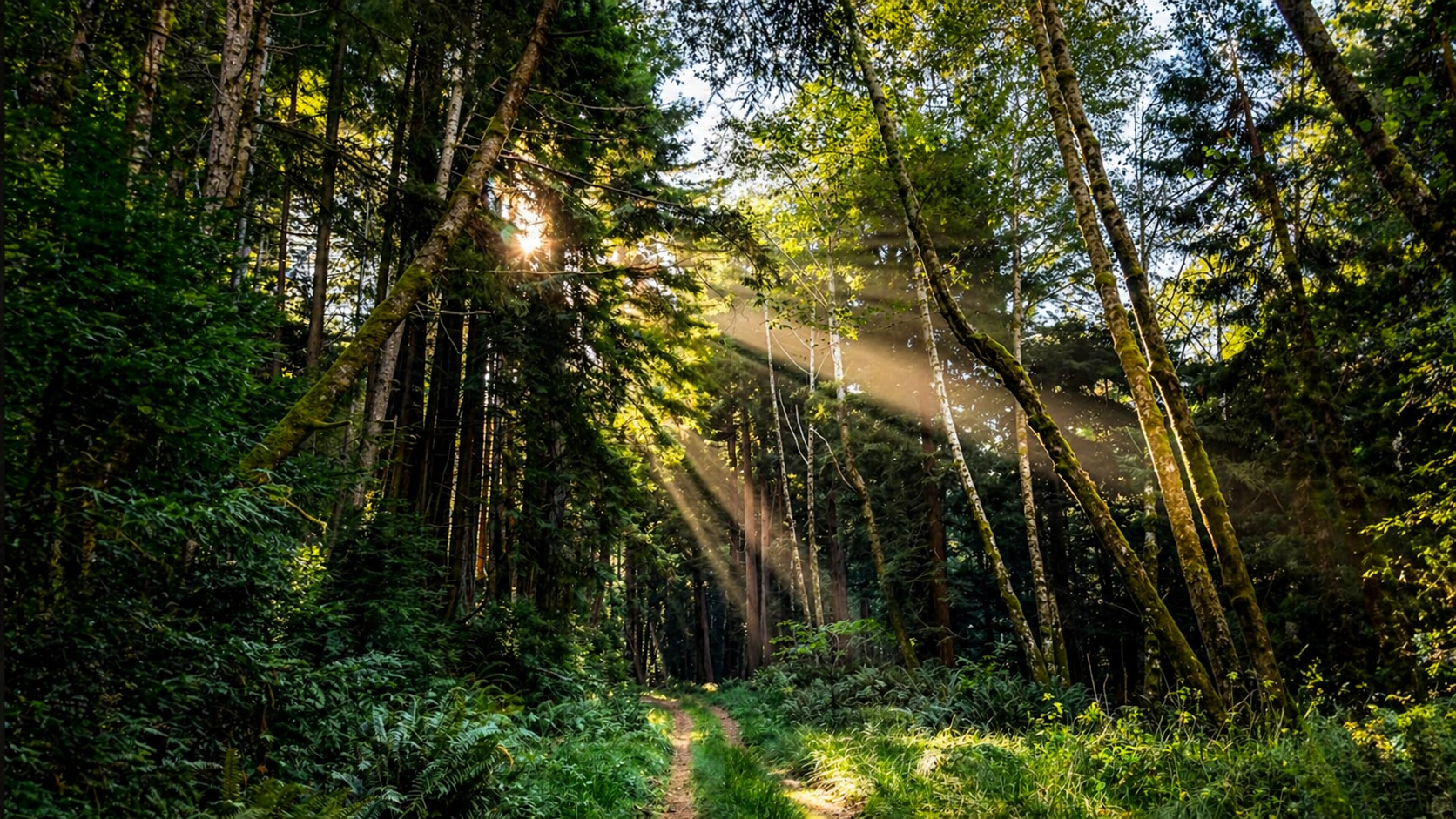
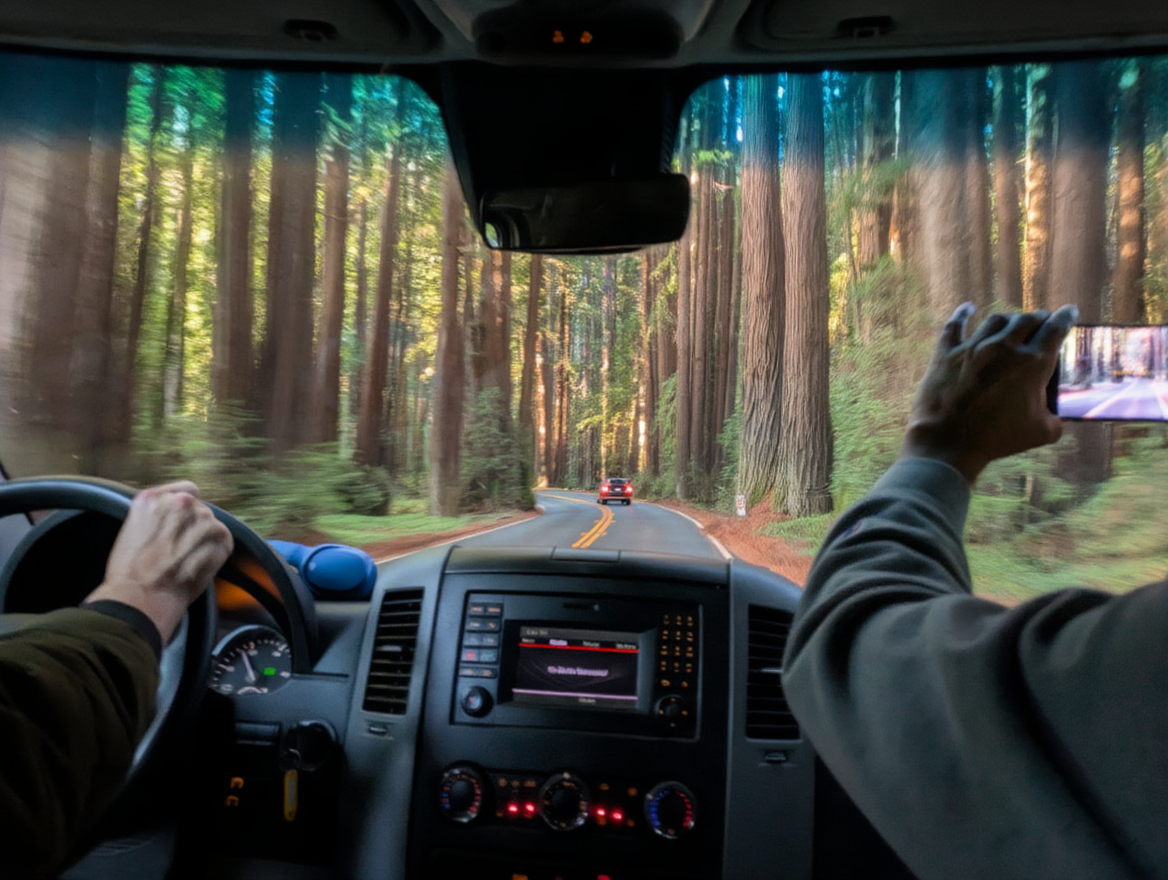
You meet the crew in Fort Bragg on the Mendocino Coast. From there the group drives about an hour north to the entrance of Usal Redwood Forest. The road into the property is gravel, narrow in places, and winding through terrain that starts to feel different almost immediately as the trees close in overhead.
Your phone loses signal before you reach the trailhead. By the time the ATVs are ready, the silence is already noticeable. No road noise, no ambient hum from traffic, no sound of other people. Wind, creek water, and birds. Most visitors say later that this is the moment the day shifted, before the ride even began.
The tour follows the same gravel forest roads that the Redwood Forest Foundation's forestry crew uses every week to reach restoration zones, check sensor equipment, and manage the land. These roads pass through sections of the forest that are closed to general public access.
You ride as a passenger in an open-air ATV. The pace is slow enough to look around, ask questions, and hear the guide clearly. The riding is not about speed. It is about covering enough ground to see parts of the forest that would take days to reach on foot, at a pace that still lets you absorb what is around you.
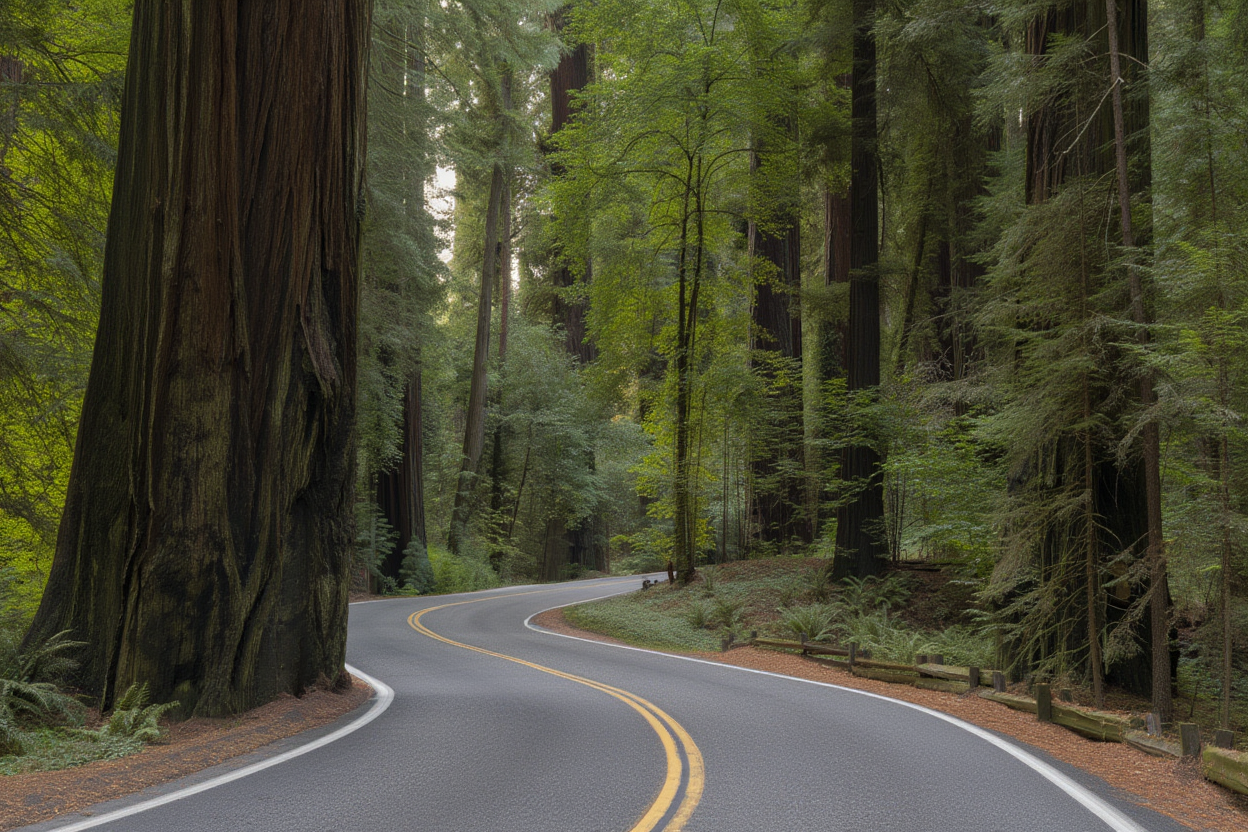
The first real stop is inside a stand of redwoods that have been growing here for centuries. When you step off the ATV and stand among them, scale is the thing that registers first. These trees reach 200 to 300 feet. Their trunks are wide enough that three or four people with outstretched arms could not circle one. The bark is deeply furrowed and up to a foot thick, which is part of why fire has not killed them despite centuries of burns moving through the understory.
One of the formations the guide stops at is a candelabra tree. Centuries ago, fire moved through the base of a single redwood and hollowed part of the trunk. Instead of dying, the tree sent up multiple separate trunks from the surviving root system. Each trunk grew independently into what looks like a cluster of full-sized trees rising from one ancient base. It is the kind of thing you would never grasp from a photograph. What makes it remarkable is standing underneath it.
The guide talks through what keeps trees like this alive: the bark chemistry, the tannins that repel insects and fire, the way root systems share water with neighboring trees through underground fungal networks. These explanations come from someone who manages this forest for a living.

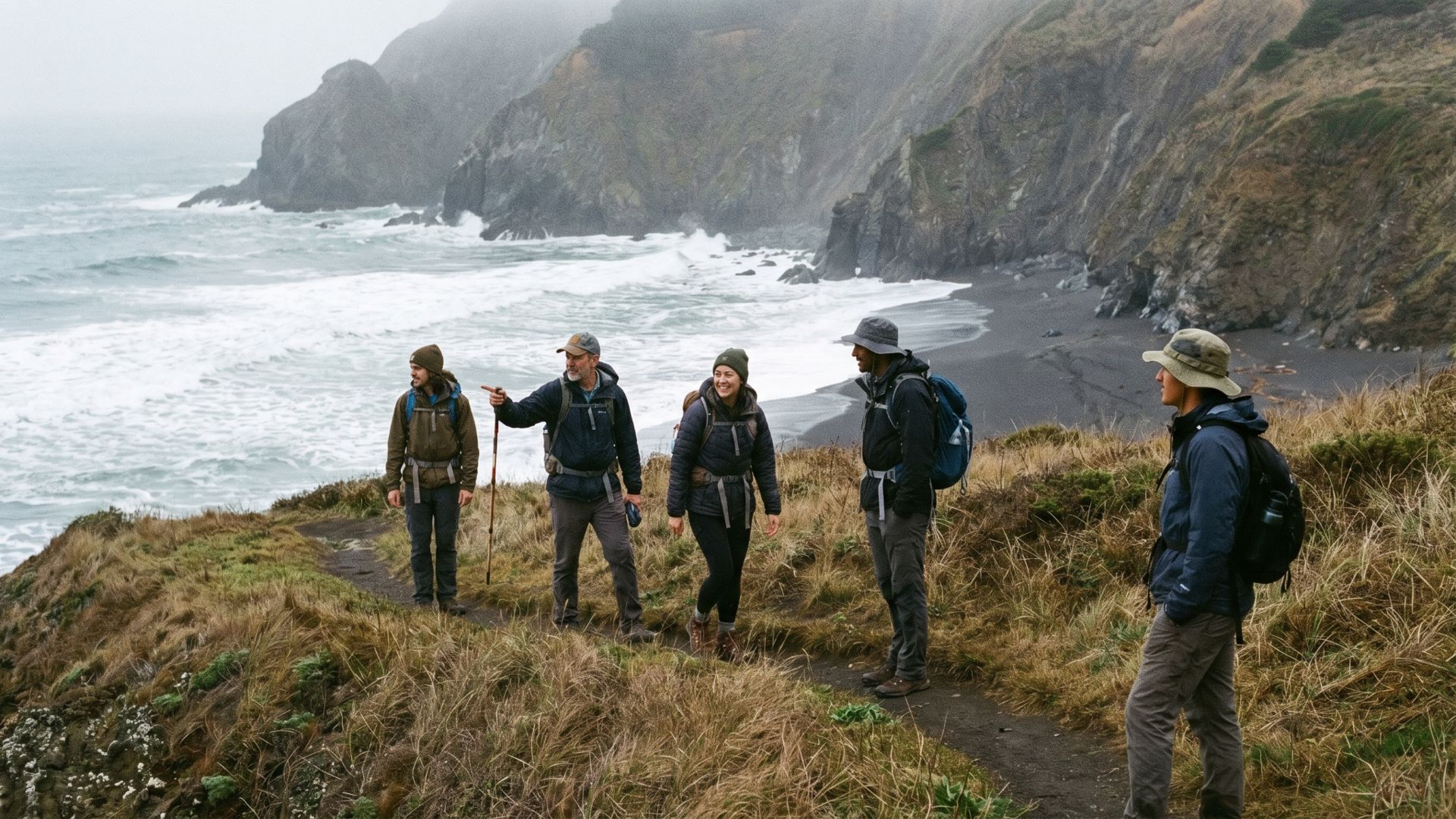
Short guided walks off the ATV give you direct contact with the forest floor. Native species, fungi, understory plants. The guide points out what each signals about forest health. This is the part of the day where the ecological picture starts to feel real and specific rather than general.

The route climbs from the forest floor to ridgeline overlooks where you can see across the canopy and out to the Pacific. The forest stretches in every direction below, 50,000 acres of continuous green canopy, and beyond it the ocean runs along the rugged coast that gives the Lost Coast its name.
Standing on the ridge with the forest below and the ocean beyond, most people get quiet for a few minutes. There is something about seeing that much unbroken forest from above that changes how the rest of the day feels.

The tour passes through active restoration zones where you can see what forest recovery looks like at different stages. Some areas were logged decades ago before the Redwood Forest Foundation acquired the land beginning in 2003. The visible difference between those sections and the intact older stands nearby is striking.
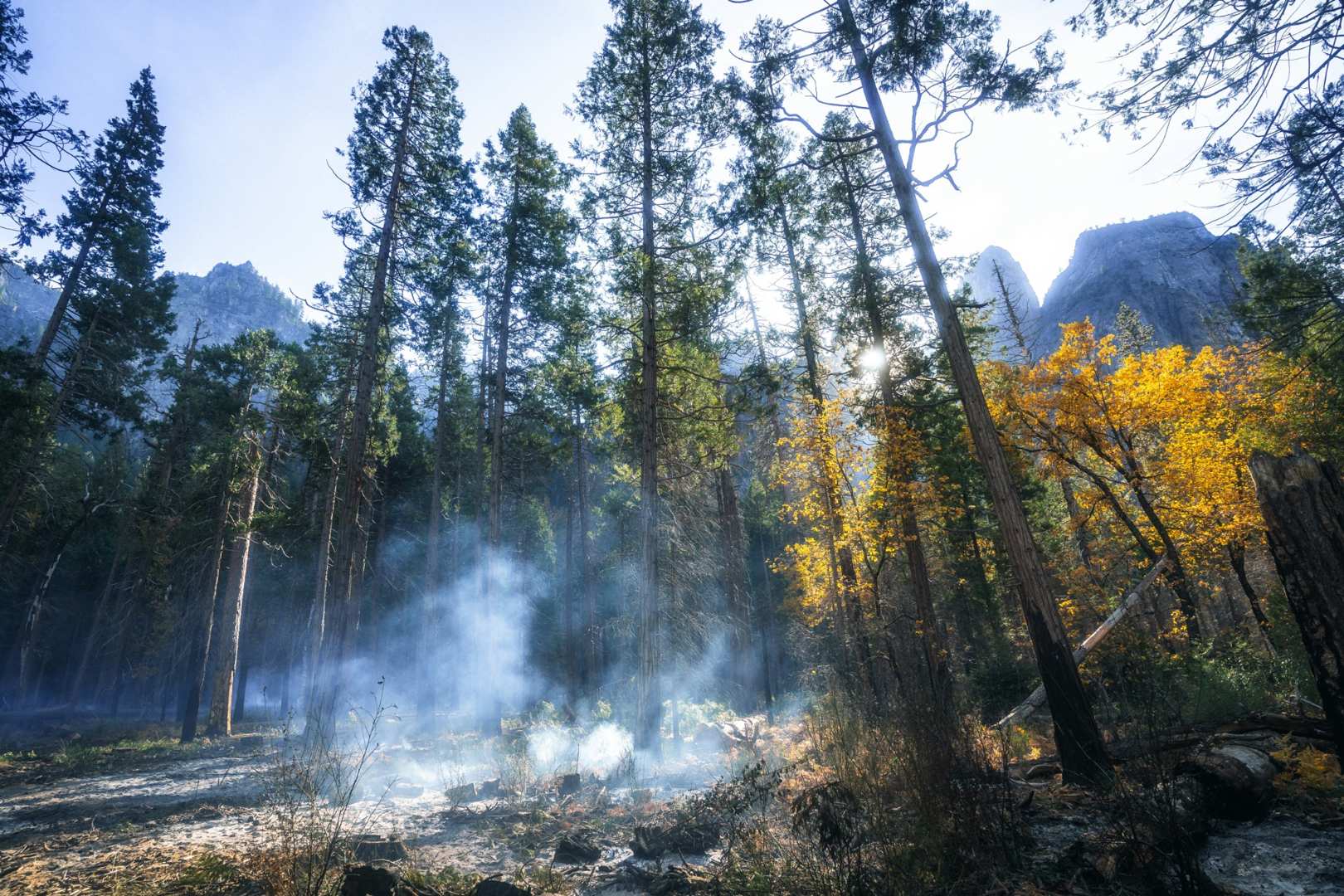
You see where old logging roads have been decommissioned and reshaped to redirect drainage away from stream channels. You see young redwoods planted along creek corridors where shade canopy is being rebuilt to cool the water for salmon. You see areas where cultural burns have cleared dense understory and opened space for native plants to return. In some zones, you can see the sensor equipment the forestry team uses to monitor tree growth, soil moisture, and wildlife activity.
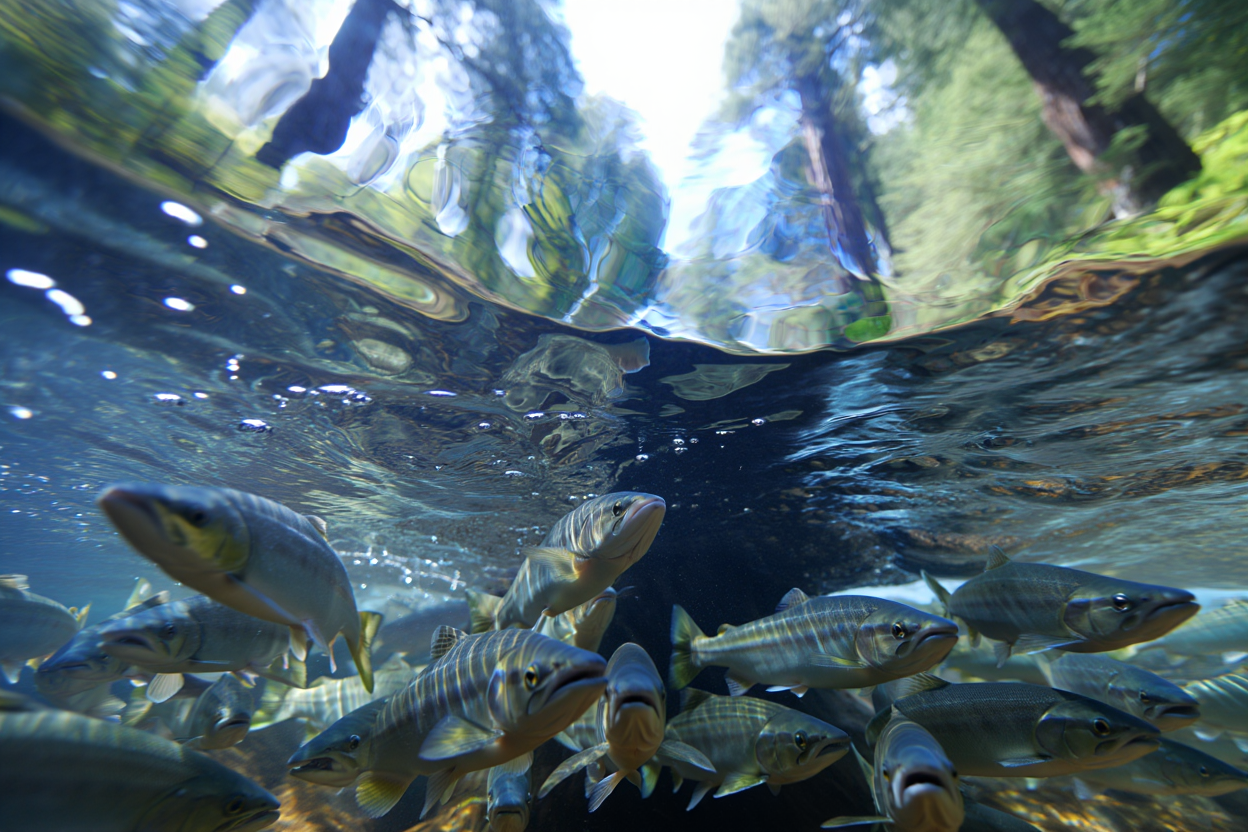
It is one thing to read about stream restoration or reforestation on a website. It is a different experience to stand next to a creek where 162,390 cubic yards of sediment have been prevented from entering the water and see where juvenile coho salmon have been observed holding in pools that did not exist ten years ago. The guide can tell you exactly what was done at each site and what has changed since, because they were part of the crew that did the work.
The thing that comes up most often is surprise. People did not expect 50,000 acres of continuous redwood forest to exist on the Mendocino Coast, and they did not expect it to be accessible this way. They are surprised by the science: the sensor network, the dendrometers, the bioacoustic monitoring, the eDNA sampling in creeks. None of it matches the image most people have of a conservation organization.
The second most common reaction is wanting to come back with other people.
Cost: $250 per person, two-person minimum.Day: 9 a.m. to 5 p.m., including transport from Fort Bragg.Includes: guided ATV ride and boxed lunch.Bring: close-toed shoes, layers for changing conditions under the canopy, and sun protection for ridgeline sections.Fitness: minimal walking on some uneven terrain. Accessible for most fitness levels. No prior ATV or off-road experience needed.
Every booking goes directly into the restoration, salmon habitat work, and long-term care of the 50,000-acre forest you are riding through.

No. You ride as a passenger in an open-air ATV driven by the guide. The pace is slow and the focus is on the forest.
About three hours of riding through the forest, as part of a full day from 9 a.m. to 5 p.m. including transport from Fort Bragg.
No. There is minimal walking on some uneven terrain. Most of the day is spent riding or standing at viewpoints and restoration sites.
RFFI will continue monitoring to track the survival of these fry through smolt stage and eventual ocean migration, and to determine whether adult coho return to Usal Creek in future winters to spawn again. Additional habitat enhancements, including further large wood placement and summer flow management, are being evaluated. The long-term goal is a self-sustaining coho population using the Usal watershed as a regular part of its range.
Every dollar from tour bookings goes directly into the restoration, monitoring, and long-term stewardship of Usal Redwood Forest. The Redwood Forest Foundation is a nonprofit that manages 50,000 acres of coast redwood on the Mendocino Coast.