.jpg)


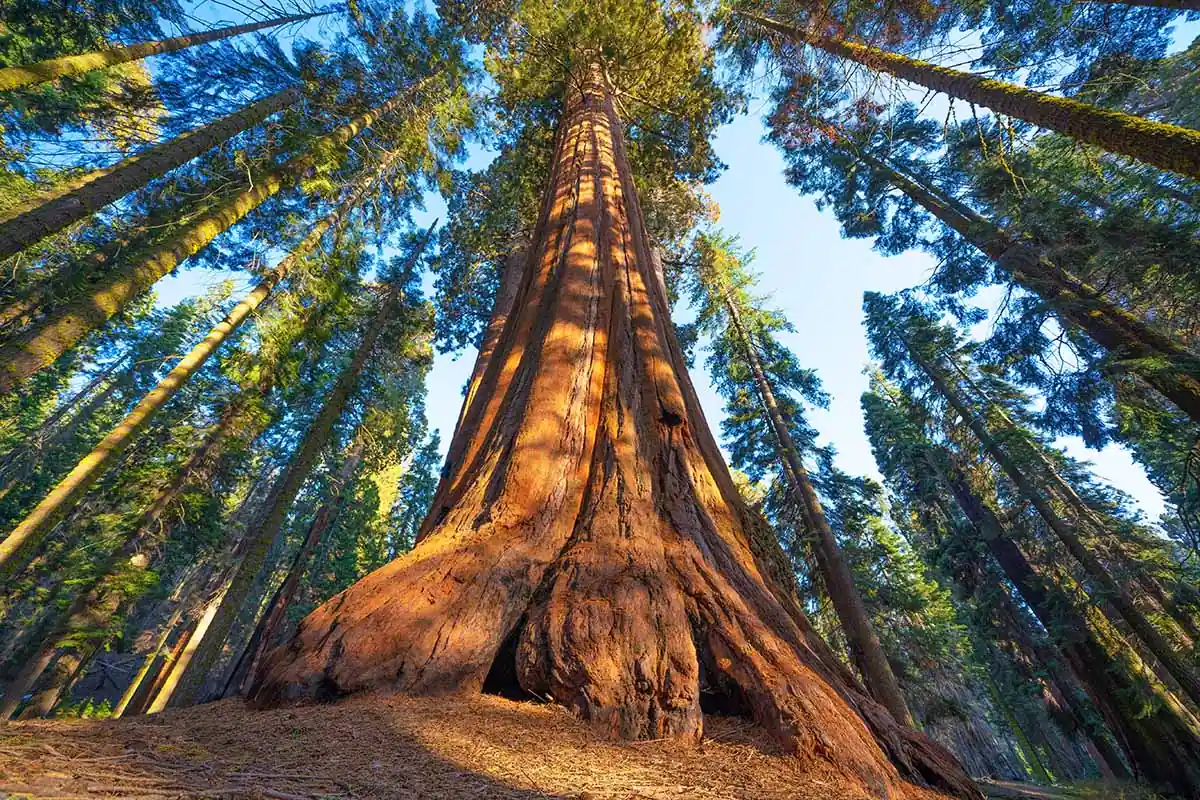
Wild coho salmon live in cold, shaded streams connected to Northern California’s redwood forests. The most responsible way to learn about their habitat is through designated public sites, authorized programs and restoration-focused experiences, not by entering sensitive spawning streams.
Where can people see coho salmon habitat?
Coho habitat occurs in coastal watersheds where young fish can find cool water, slow-water refuge, clean gravel and cover. Public access varies by watershed, season and land manager. Before traveling, consult current guidance from the relevant park, fisheries agency or authorized tour operator. At Usal Redwood Forest, access must be arranged through Redwood Forest Foundation because the property is a remote working community forest.
Seeing habitat is often more realistic and more responsible than expecting to see fish. Coho move with seasonal flows, visibility can be poor and many stream reaches are protected. A guided program can explain the signs of healthy habitat without disturbing fish.
Why redwood streams support coho
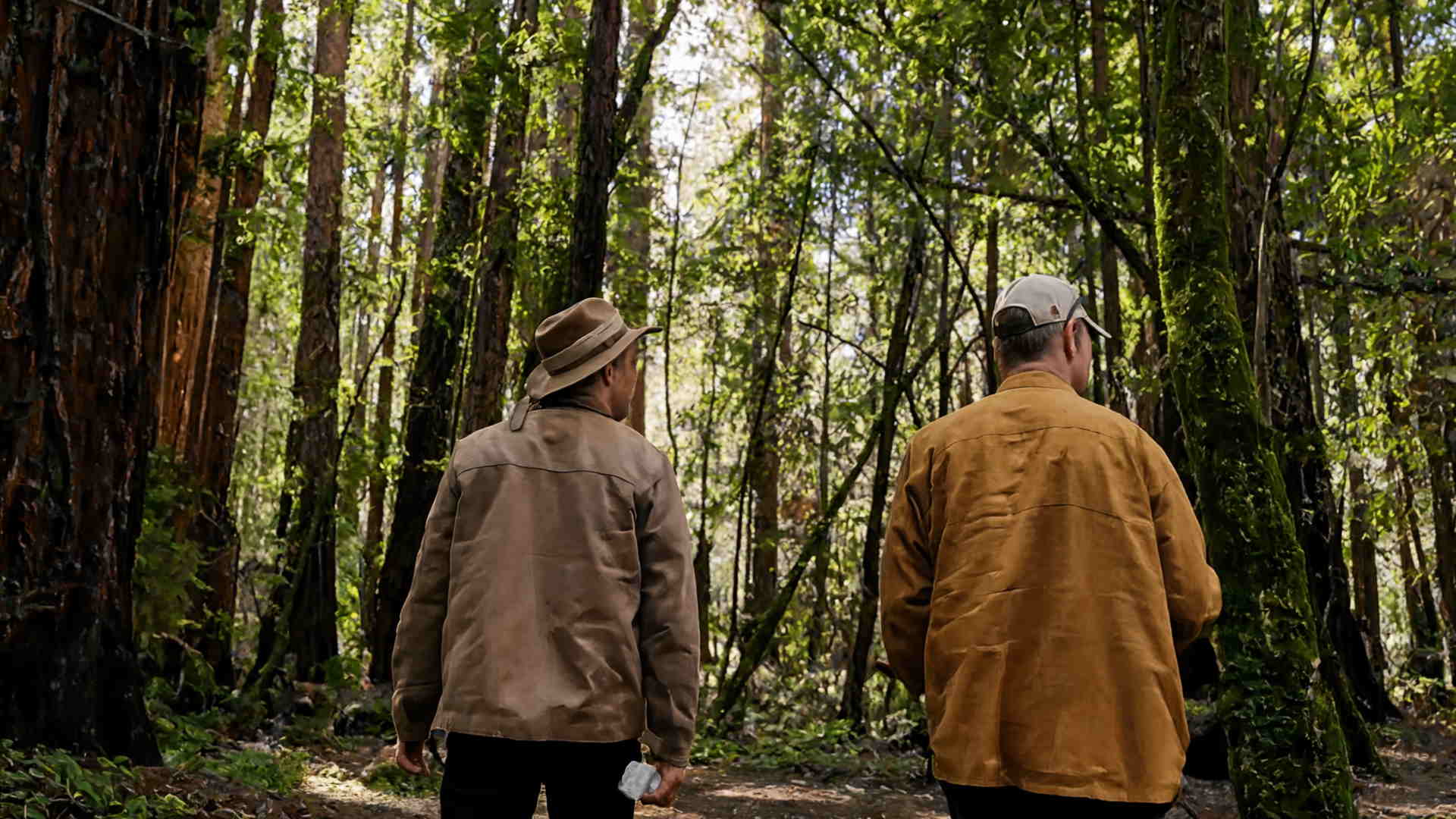
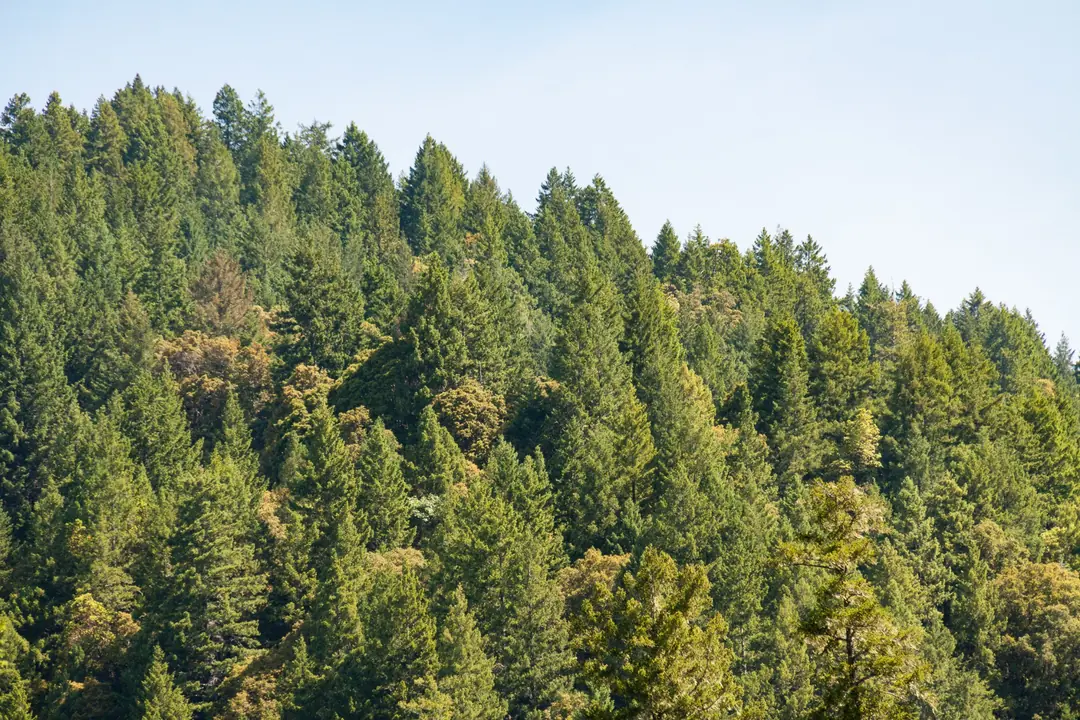
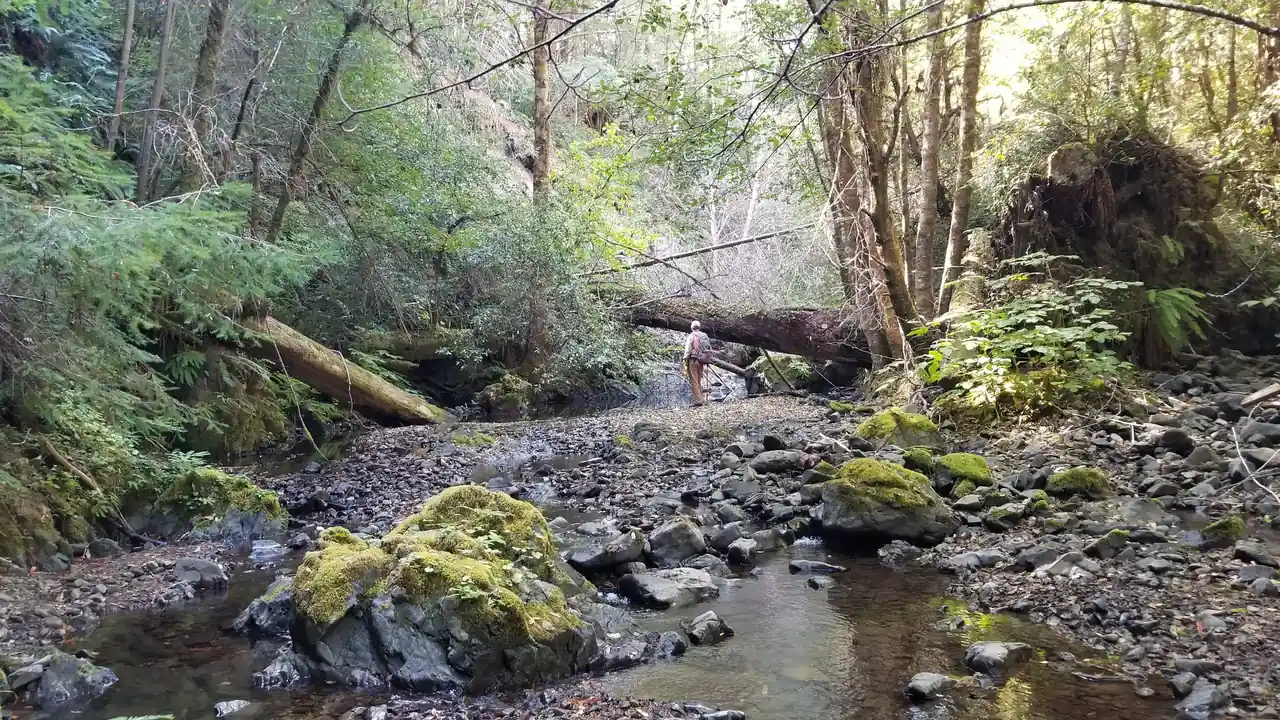
Redwood canopy shades streams and helps moderate summer temperatures. Forest soils absorb rainfall and release water gradually. Roots stabilize slopes, while fallen branches and large wood create pools, cover and slower areas where juvenile salmon can rest during high flows.
The connection extends across the watershed. An unstable road high on a slope can send sediment into spawning gravel below. A loss of riparian shade can warm water. That is why salmon recovery requires both stream restoration and forest stewardship.
Coho habitat at Usal Redwood Forest
Redwood Forest Foundation manages approximately 50,000 acres at Usal Redwood Forest on California’s Lost Coast. The landscape includes six salmon watersheds. Restoration work includes reducing sediment risks from legacy roads, improving stream conditions, monitoring water and supporting healthier forest structure.
Learn how these projects fit together through the Foundation’s watershed restoration program. Visitors interested in an authorized working-forest experience can review the Usal ATV tour.
When is the best time to look?
Timing depends on rainfall, stream flow, watershed conditions and local rules. Adult coho generally return to freshwater during the wet season, but exact timing varies and closures may protect spawning fish. Never rely on a general calendar alone. Check current agency or land-manager guidance immediately before a visit.
How to observe salmon responsibly
- Use designated public access or an authorized guided program.
- Stay out of streams and off closed banks.
- Watch quietly from a distance and keep dogs away from the water.
- Never move rocks, wood or fish.
- Avoid trampling streamside plants or spawning gravel.
- Follow seasonal closures and staff instructions.
What healthy coho habitat looks like
Useful indicators include shaded channels, clean gravel, connected floodplains, deep pools, woody cover and access between freshwater and the ocean. No single feature is enough. Coho need a network of habitats through different life stages, and those habitats must remain connected through changing seasons.
Why restoration takes time
Removing a sediment source can have immediate benefits, but a watershed responds over years. Trees need time to grow, wood must recruit into channels and fish populations experience natural variation. Monitoring helps managers distinguish short-term fluctuation from lasting improvement and adapt projects accordingly.
Learn before you visit
Explore Redwood Forest Foundation’s Smart Forest monitoring and community-forest mission. Supporting long-term stewardship helps protect the cold, connected watersheds coho require.
Prepare for a habitat-focused visit
Before traveling, identify the agency or organization that manages your destination and review its current access guidance. Bring binoculars instead of trying to approach the water. Polarized glasses may make it easier to see stream structure from a safe overlook, but a fish sighting should never be treated as the only measure of a successful visit. Learning to recognize shade, pools, clean gravel, woody cover and floodplain connections can be just as rewarding.
The NOAA Fisheries profile for protected coho salmon explains the freshwater habitats young coho require. The California Department of Fish and Wildlife coho salmon page provides California-specific status and recovery information.
Turn curiosity into stewardship
Visitors can help by sharing responsible viewing practices, respecting protected locations and supporting organizations that maintain watersheds long after a visible construction project is finished. The best salmon encounter is one that leaves the fish and their habitat undisturbed.
Stay connected to the work
Redwood forests change over decades, and responsible stewardship continues in every season. Follow Redwood Forest Foundation’s field stories and program updates to see how restoration, monitoring and community partnerships evolve at Usal Redwood Forest. Readers who want to help can explore ways to support long-term care of the forest.
FAQ - Frequently Asked Questions
Where can visitors see wild coho salmon habitat?
Visitors can learn about coho habitat in Northern California redwood watersheds through public parks and authorized programs. At Usal Redwood Forest, access must be arranged through Redwood Forest Foundation because it is a working community forest.
When is the best time to see coho salmon?
Seasonal timing varies by watershed and annual rainfall. Check current information from the land manager or fisheries agency before visiting and respect all seasonal closures.
Can visitors enter a stream to get a closer look?
No. Entering streams can disturb fish, damage spawning gravel and introduce sediment. Observe only from designated locations and follow agency instructions.
Why are redwood forests important to coho?
Redwood canopy helps keep water cool, forest soils reduce erosion, and fallen wood can create pools and cover that juvenile coho need.
Does Redwood Forest Foundation offer public access?
Redwood Forest Foundation offers authorized experiences such as its guided Usal ATV tour. Availability and access rules should be confirmed before traveling.