.jpg)


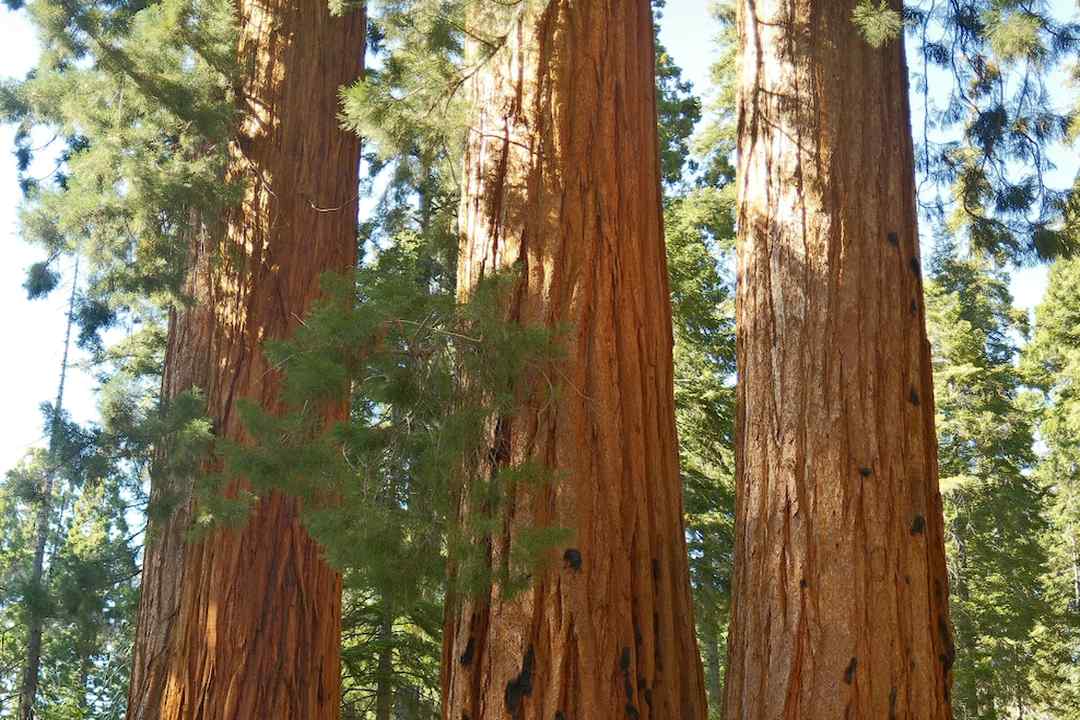
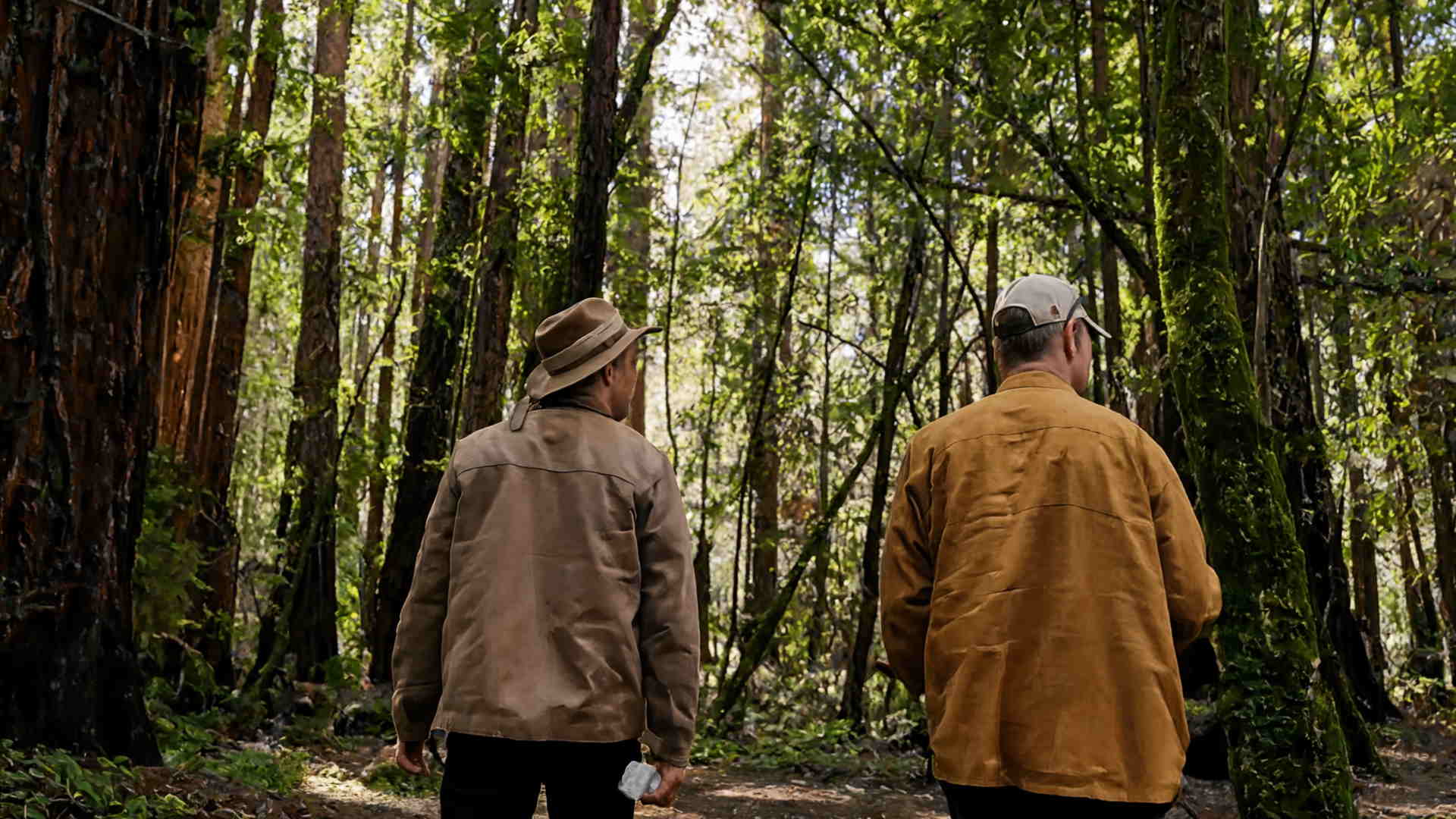
A coast redwood at Usal can live more than 2,000 years and grow taller than a 30-story building. Every other species in this series lives because this tree does. The redwood is a foundation species upon which entire ecosystems depend, and understanding the coast redwood is understanding why Usal Redwood Forest matters.
What Is a Coast Redwood?
A coast redwood, or Sequoia sempervirens, is a conifer that grows almost exclusively along a narrow strip of California and southern Oregon coastline, fed by winter rain and summer fog, and it regularly lives more than 2,000 years. Mature trees exceed 300 feet, with thick, fibrous bark that resists fire, insects, and rot far better than most conifers. In good conditions the species can add several feet of height in a single growing season. According to the National Park Service, coast redwoods now survive naturally only in California and Oregon, a range recognized by UNESCO's World Heritage designation for Redwood National and State Parks. Even after logging, the species regenerates by sprouting new trunks directly from a cut stump, a trait almost no other conifer shares.
What Role Does the Coast Redwood Play in Usal's Biodiversity?
The coast redwood forest functions as one of the world's recognized biodiversity hotspots, and the tree itself is the reason every other species in this series has a place to live. Its canopy regulates temperature and moisture for everything below it, keeping the forest floor cool and damp even during dry summer months. Its bark hosts salamanders that never touch the ground, and its root systems stabilize the soil above salmon bearing streams, reducing the erosion that would otherwise choke spawning gravel with sediment. Roosevelt elk graze in its understory, spotted owls nest in its cavities, and fungi break down its fallen wood into the soil that feeds the next generation of trees. Remove the redwood and the entire structure loses what holds it up, from the canopy down to the forest floor.
Why Does the Coast Redwood Matter?
The coast redwood matters because it is a foundation species, meaning the survival of dozens of other species depends on the specific structure only a mature redwood forest provides, not on the tree species alone. At Usal, 250,000 native redwoods have been planted since 2007 to rebuild what more than a century of logging removed from the property. As those trees mature, the canopy conditions the rest of the ecosystem depends on expand across more of the property, a process measured in decades rather than years. That timeline is part of why protecting existing older stands matters just as much as planting new ones, since a newly planted redwood needs generations to develop the same structure.
Plant one for five dollars. Visit redwoodforests.org/plant-a-redwood.
FAQ - Frequently Asked Questions
What is a coast redwood?
A coast redwood (Sequoia sempervirens) is a conifer that grows almost exclusively along a narrow strip of California and southern Oregon coastline. It regularly lives more than 2,000 years and regularly exceeds 300 feet in height, making it the tallest tree species on Earth.
Where do coast redwoods grow?
Coast redwoods grow almost exclusively along a narrow fog belt strip of California and southern Oregon coast. This specific climate, with winter rain and summer fog, is what allows them to reach their extraordinary heights and survive for millennia.
Why are redwoods so tall?
The combination of their size, their longevity, and the speed at which they grow when conditions are right means that a mature redwood forest accumulates carbon continuously for centuries. Fog absorption supplements groundwater, allowing continuous growth even during dry summers.
What makes redwood bark special?
Mature redwood bark can grow to twelve inches thick and is saturated with tannins that repel insects and fungi. It contains almost no resin, which makes it highly resistant to fire, allowing redwoods to survive centuries of burns.
Why does the coast redwood forest matter?
The coast redwood forest functions as one of the world's recognized biodiversity hotspots. Every other species in this series exists because this tree does. The redwood is a foundation species upon which entire ecosystems depend.