.jpg)



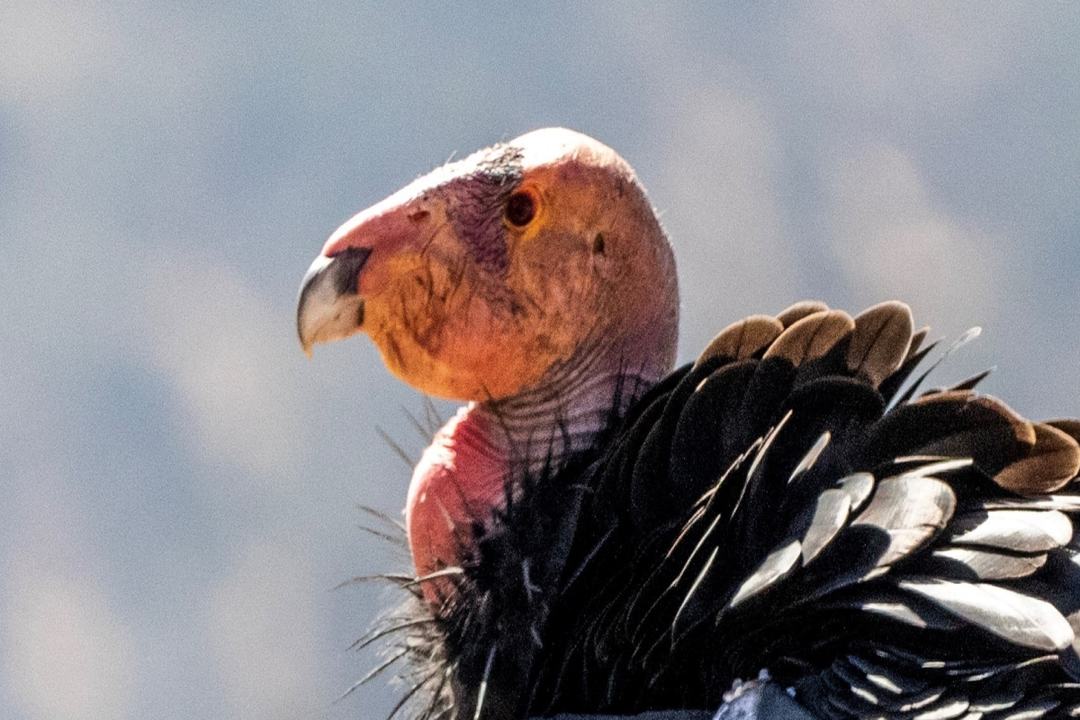
California condors have not been seen soaring over Usal Redwood Forest in living memory, but they once ranged across nearly the entire California coast, including the northern redwood belt. Their slow return to this region says as much about the future of the coast redwood ecosystem as it does about the bird itself and how far its recovery still has to travel.
What Is a California Condor?
A California condor, or Gymnogyps californianus, is the largest land bird in North America, with a wingspan that can reach nearly ten feet, wider than most adult humans are tall. It is a scavenger, not a hunter, feeding on the carcasses of large animals and playing a critical role in cleaning up the landscape before disease can spread. Condors do not reach breeding maturity until around six years old and typically raise only one chick every other year, part of why the species has been so slow to recover from near extinction. By 1987, only 27 California condors remained on Earth, all of them in captivity, according to the U.S. Fish and Wildlife Service, in what remains one of the most extreme population bottlenecks in modern conservation history.
What Role Could the California Condor Play in the Redwood Coast Ecosystem?
As a scavenger, the condor's presence signals a landscape with enough large wildlife, and enough open space free of poisoning risks like lead ammunition, to support it. Since 2022, the Yurok Tribe has led a reintroduction program releasing condors into Redwood National Park in Humboldt County, the center of the species' historic range along California's north coast. Biologists expect the birds to gradually expand their range across Northern California as the population grows, which could eventually bring condors within reach of forests further south along the Mendocino Coast, though that expansion has not yet reached Usal.
Why Does the California Condor Matter?
The condor's disappearance from Northern California a century ago was driven largely by lead poisoning and habitat loss, both of which remain active threats today, including to birds already released as part of the reintroduction effort. Its slow return is a sign of what long term, cross regional conservation work can accomplish, led in this case by the Yurok Tribe on their ancestral territory in partnership with federal agencies. It is also a reminder that protecting redwood forest habitat across the entire coast, not just any single property, is what eventually gives a wide ranging species like this room to recover further south along the coast.
Support the broader conservation work protecting this coastline. Visit redwoodforests.org/ways-to-give.
FAQ - Frequently Asked Questions
Are California condors found at Usal Redwood Forest?
Not currently. California condors have not been documented at Usal in living memory. The species' active reintroduction is centered roughly 150 miles north, in Redwood National Park, though Usal sits within the condor's broader historic range along California's north coast.
How big is a California condor's wingspan?
A California condor's wingspan can reach nearly ten feet, the largest of any land bird in North America. That size allows condors to soar for hours on rising air currents while searching for carrion, using very little energy compared to flapping flight.
Why did California condors almost go extinct?
Lead poisoning and habitat loss drove California condors to the edge of extinction, leaving only 27 birds alive by 1987, all in captivity, according to the U.S. Fish and Wildlife Service. Condors ingest lead fragments from carcasses shot with lead ammunition, which remains one of the species' primary threats today.
Where can you see California condors in Northern California?
The best chance to see a California condor in Northern California is around Redwood National Park in Humboldt County, where the Yurok Tribe has led a reintroduction program releasing birds since 2022. Sightings further south along the Mendocino Coast remain rare as the population slowly expands.
What do California condors eat?
California condors are scavengers, not hunters, feeding exclusively on the carcasses of dead animals such as deer, elk, and marine mammals. A single condor can go a week or more between meals, and one adult bird can consume several pounds of carrion in a single feeding.