Usal Redwood Forest on the Mendocino Coast is home to more than 50,000 acres of coast redwood ecosystem. Within that land live at least 15 species that carry some form of threatened, endangered, or special concern status at the state or federal level. Some of these species are well known. Others, like the California freshwater shrimp or the Leptonia mushroom, are rarely mentioned in conservation coverage at all. This documents all 15, what their status means, and why the health of the forest is directly tied to whether they persist here.
On the Ground: Mammals, Amphibians, and Insects
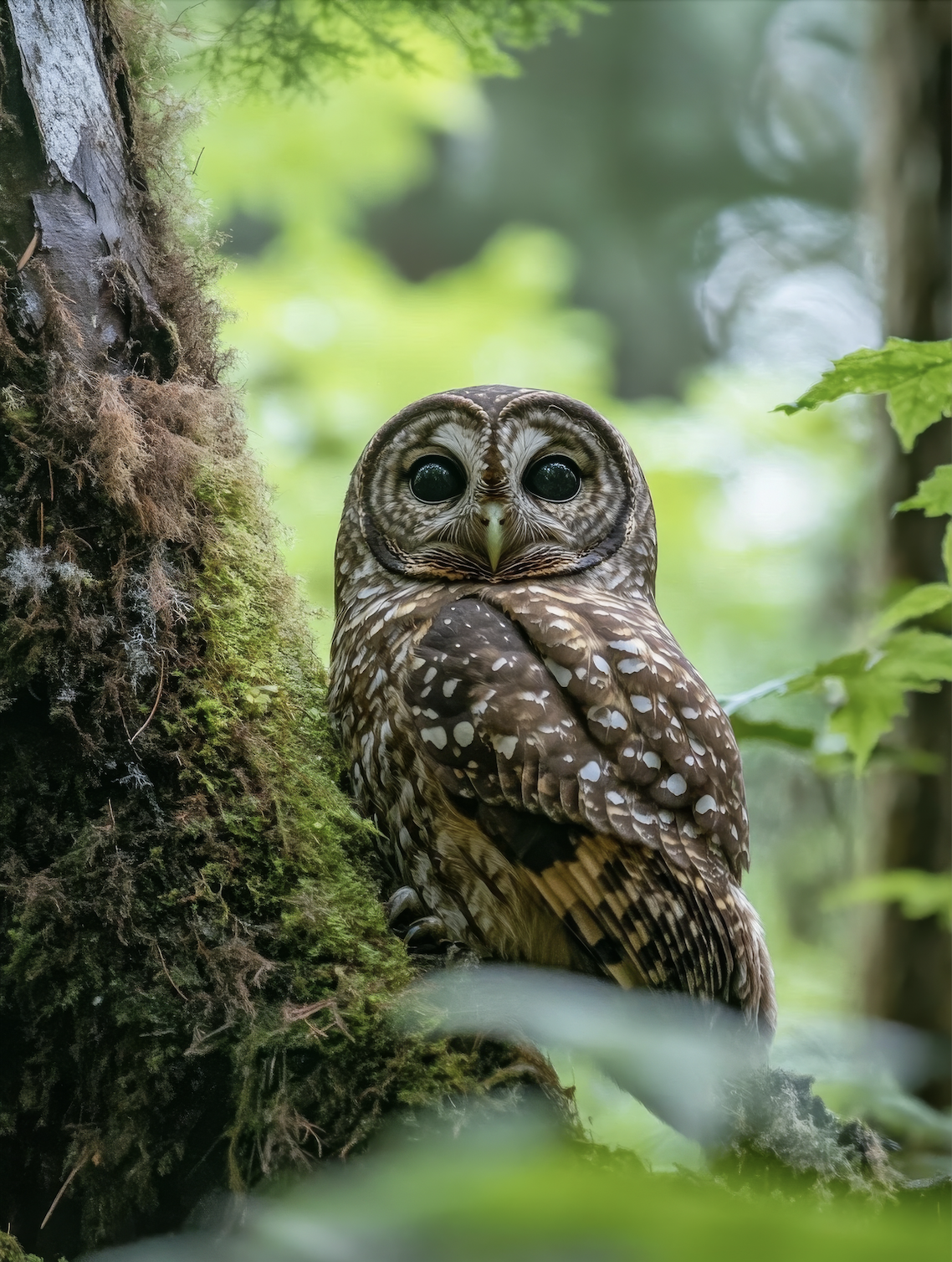
Northern Spotted Owl - Federally Threatened
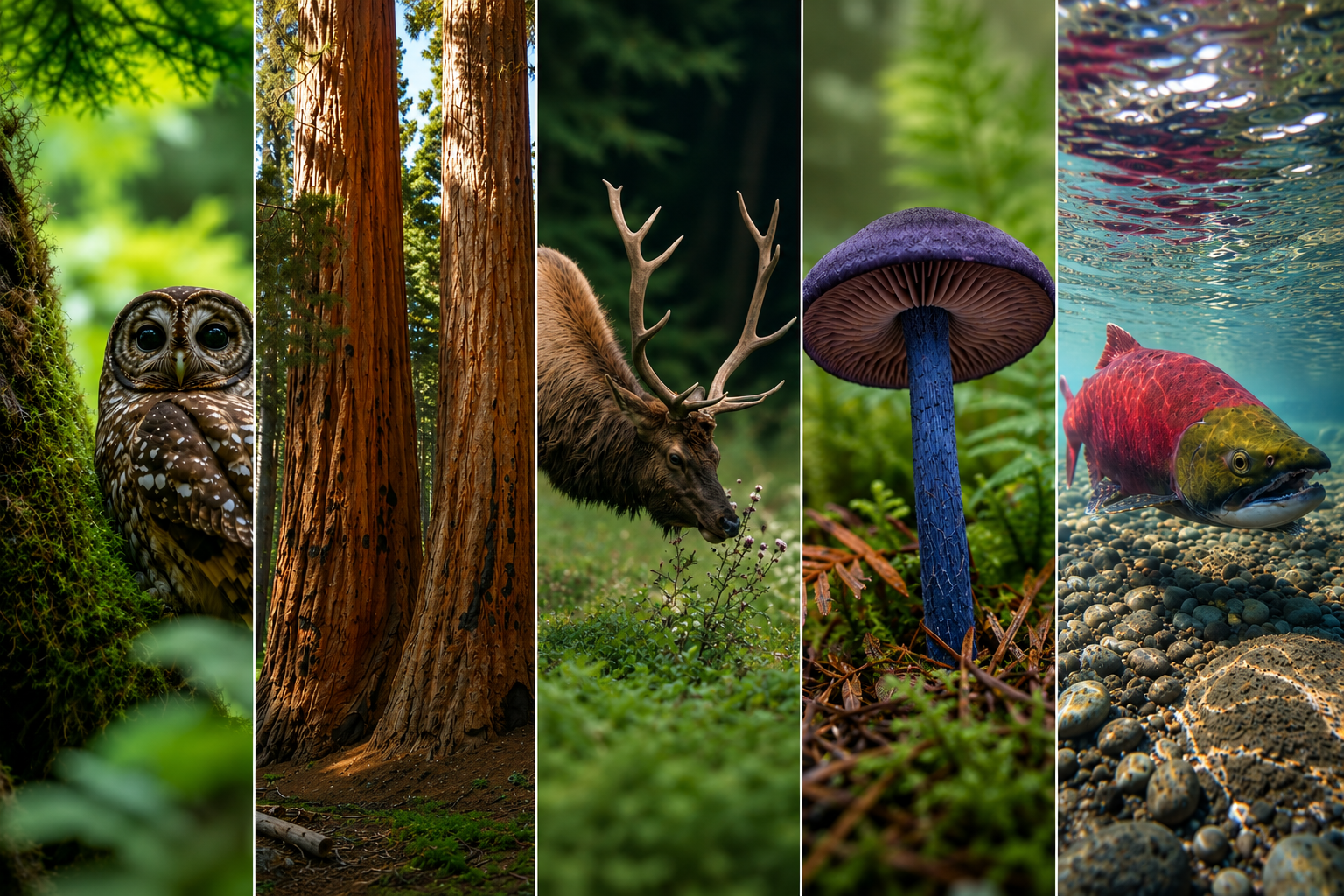
Brown, compact, and silent in flight, the Northern Spotted Owl works the dark hours of the coast. It nests inside tree hollows that take centuries to form, hunting the gaps that only old canopy opens up. RFF's bioacoustic sensors at Usal pick up its calls as a sign that the forest structure this species depends on is still intact.
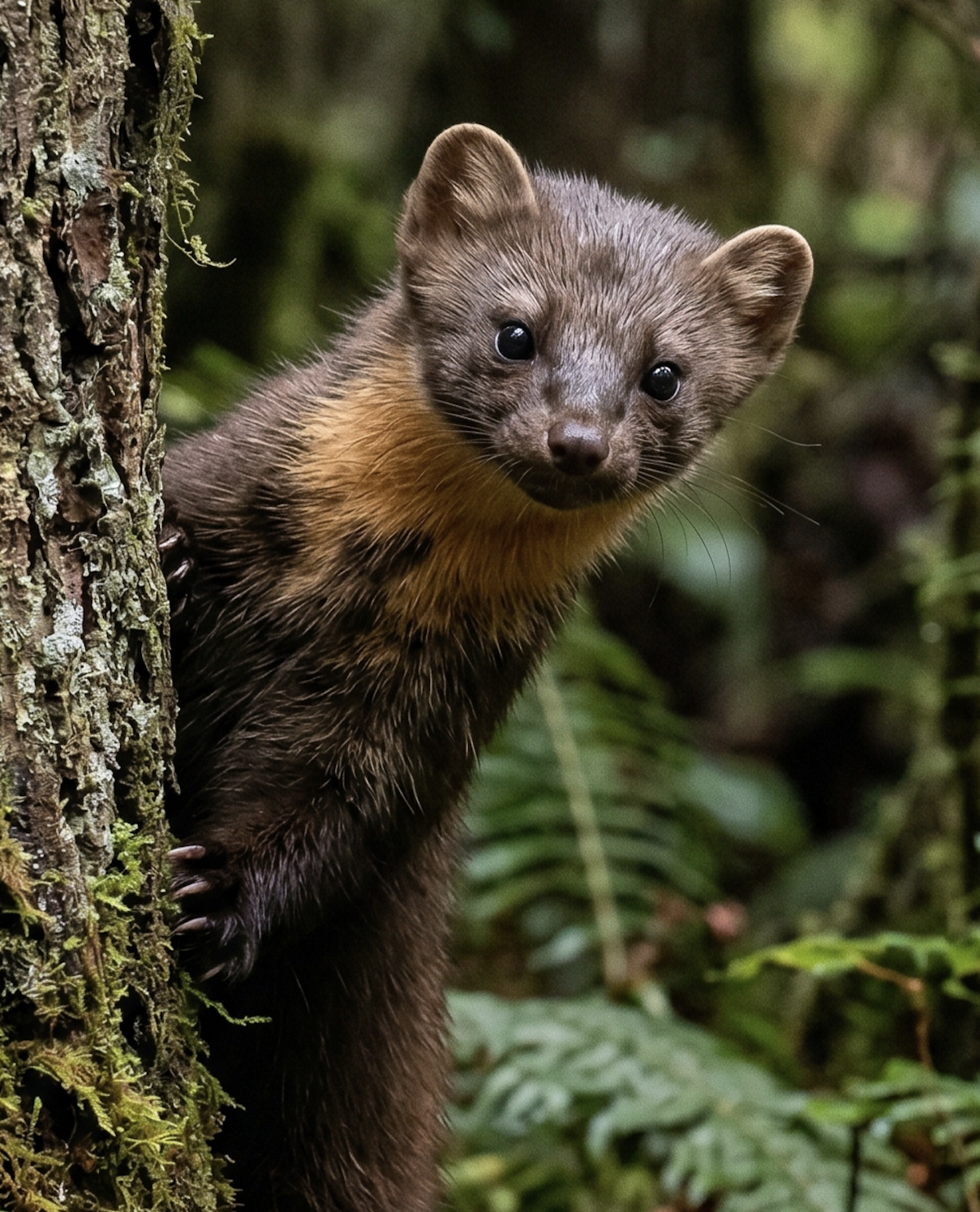
Humboldt Marten - Federally Threatened / State Endangered
California's rarest carnivore hunts low and fast through root tangles and along fallen logs, reading the understory the way a river reads its own bed. The dense, undisturbed floor of a mature redwood forest is where it moves, eats, and stays out of sight. Usal holds some of the only verified habitat this species has left on the California coast.
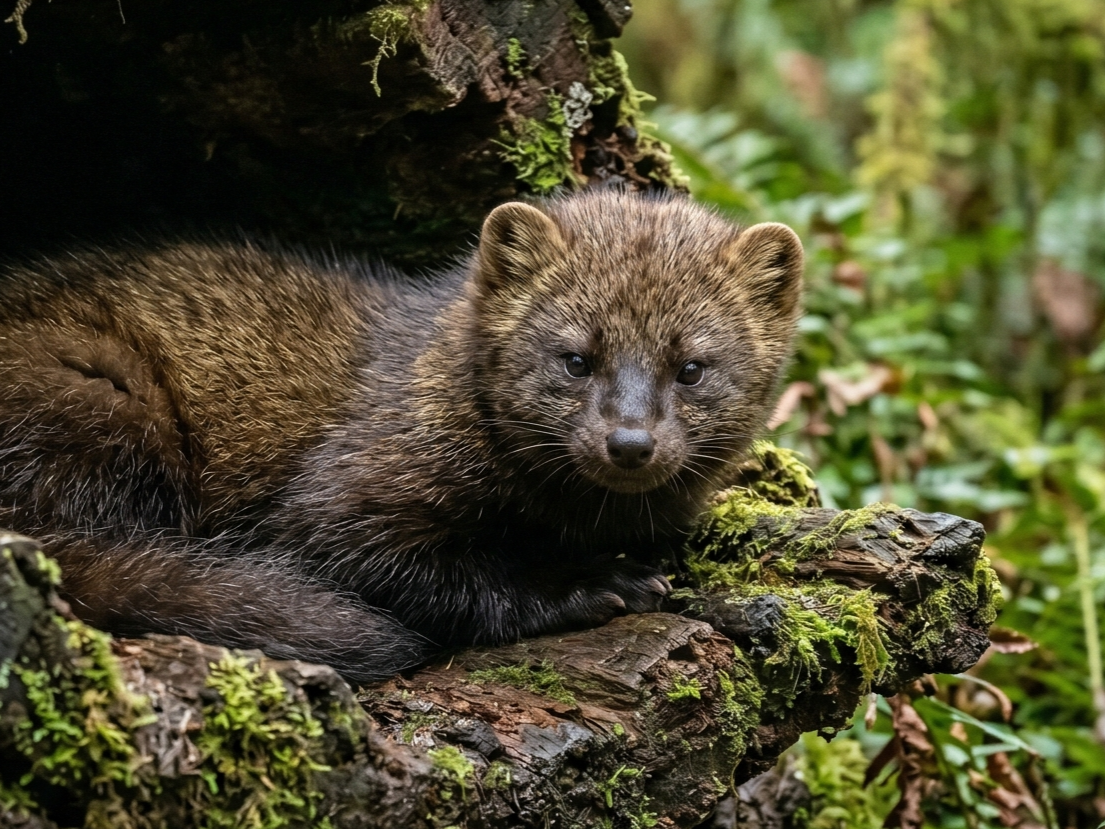
Pacific Fisher - State Species of Special Concern
The Pacific Fisher moves fast through the mid-canopy, using the wide lateral branches that only large, aging trees grow wide enough to carry it. In forests cut into uniform second growth, those branches disappear, and so does its route. Usal's older stands are among the few places on this coast where the canopy is still old enough to give it somewhere to go.
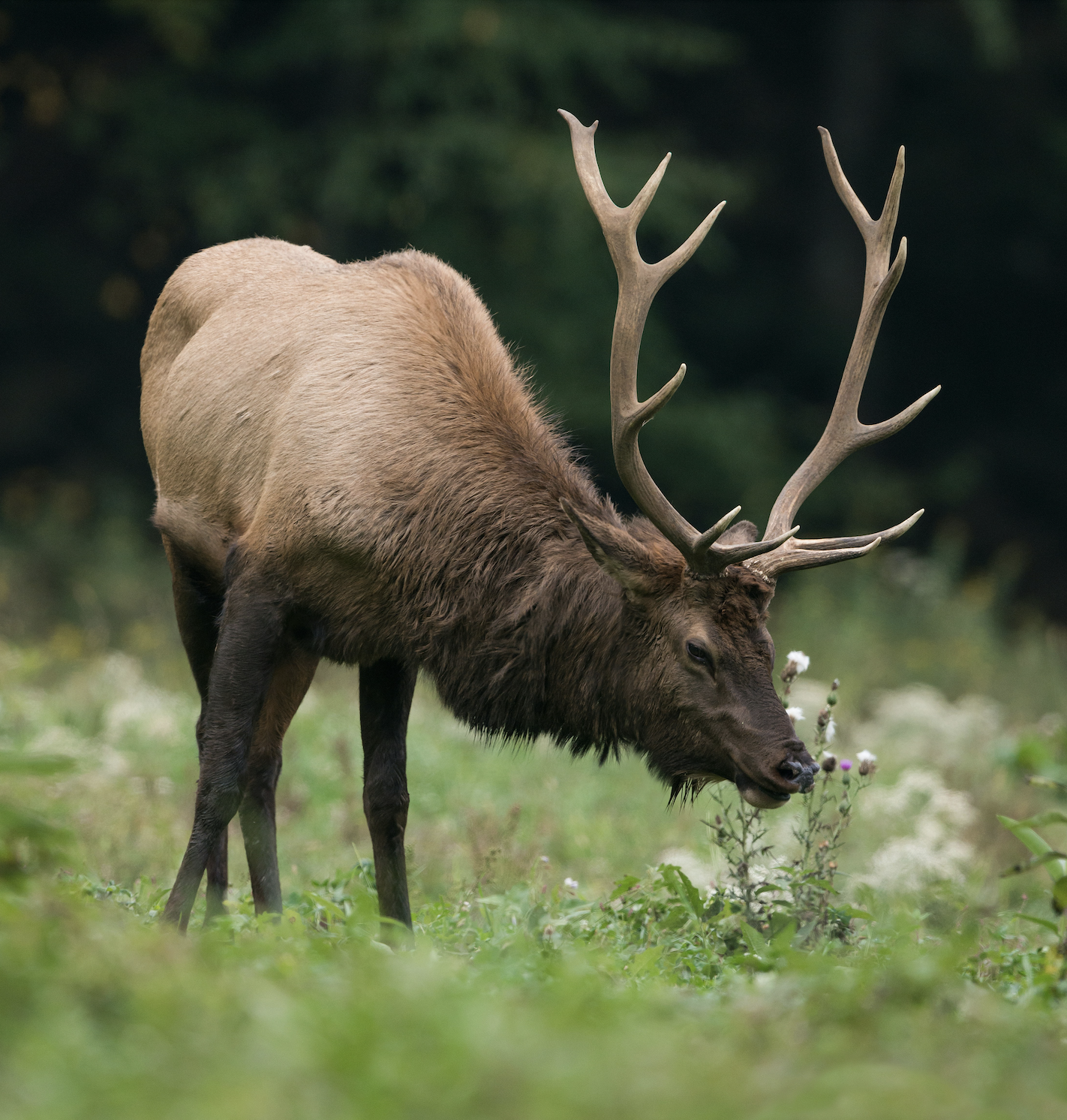
Roosevelt Elk - Not Listed
The biggest land animal on this coast, the Roosevelt Elk walks through the meadows along Usal Creek and leaves a clear mark. Over many generations, elk have kept these areas open by eating the plants that would otherwise take over. Because of that, the forest has grown around their movement, a pattern still visible when you walk through.
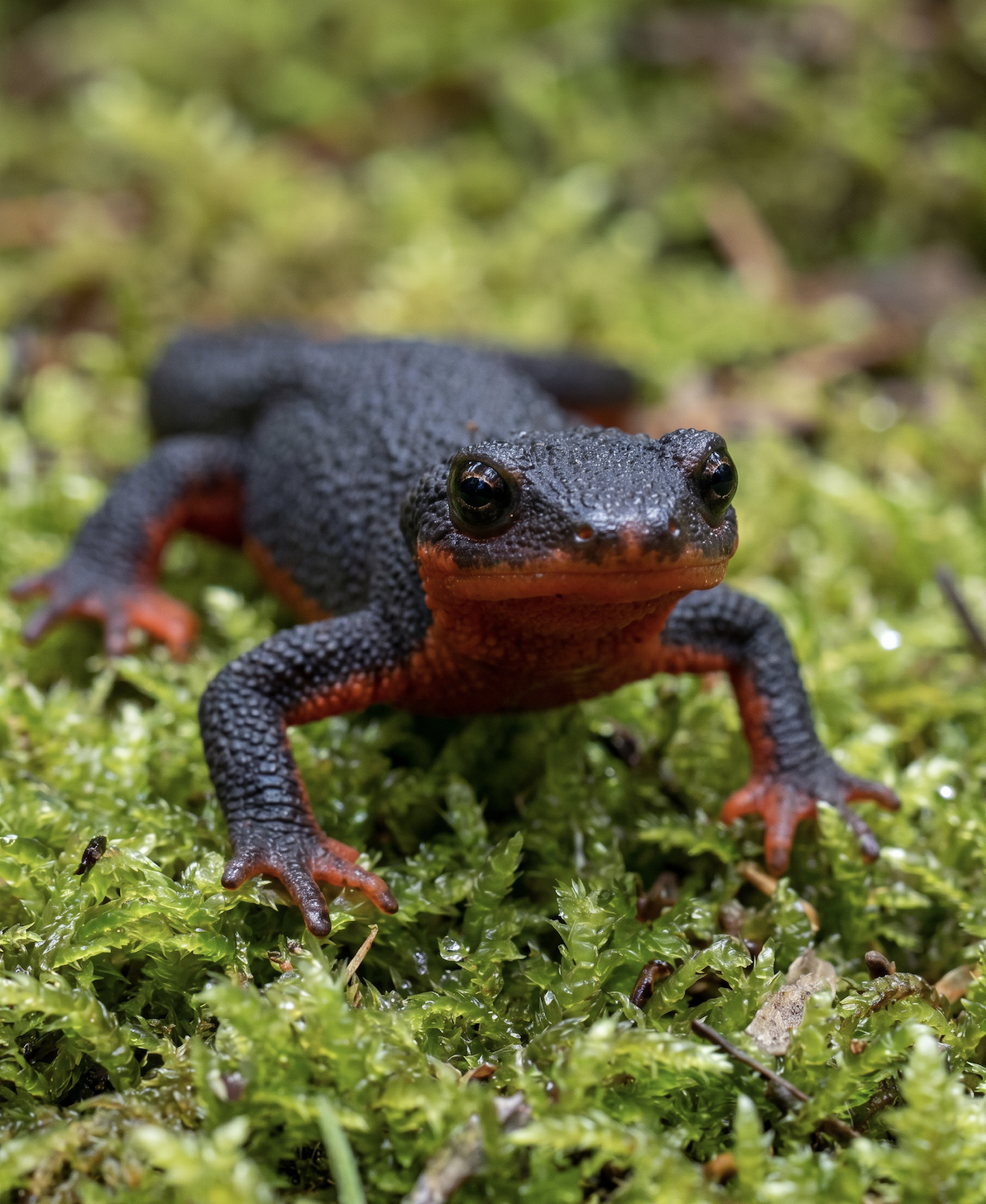
Red-Bellied Newt - State Species of Special Concern
Slow, deliberate, and precise about where it goes, the Red-Bellied Newt returns to the same stream, sometimes the same rock and each breeding season. It moves through the damp forest, but roads can block its path. Its orange-red belly carries a powerful toxin. Sightings near water at Usal are worth marking.
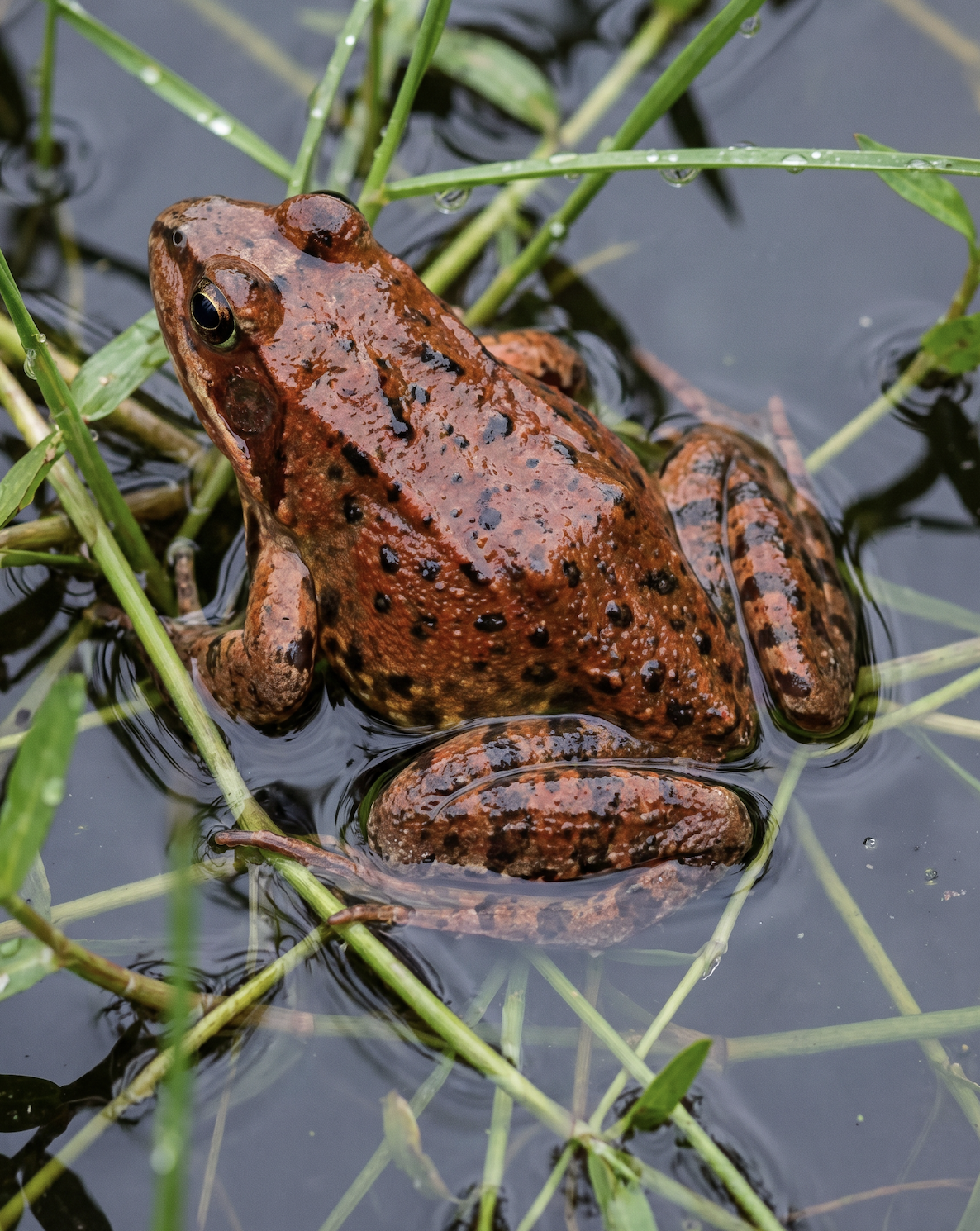
California Red-Legged Frog - Federally Endangered
The California Red-Legged Frog breeds in slow pools along Usal Creek and moves between water and forest. When its habitat changes, it disappears quickly, often before anyone notices. Finding it at the water's edge is a sign that the conditions along that reach are still right.
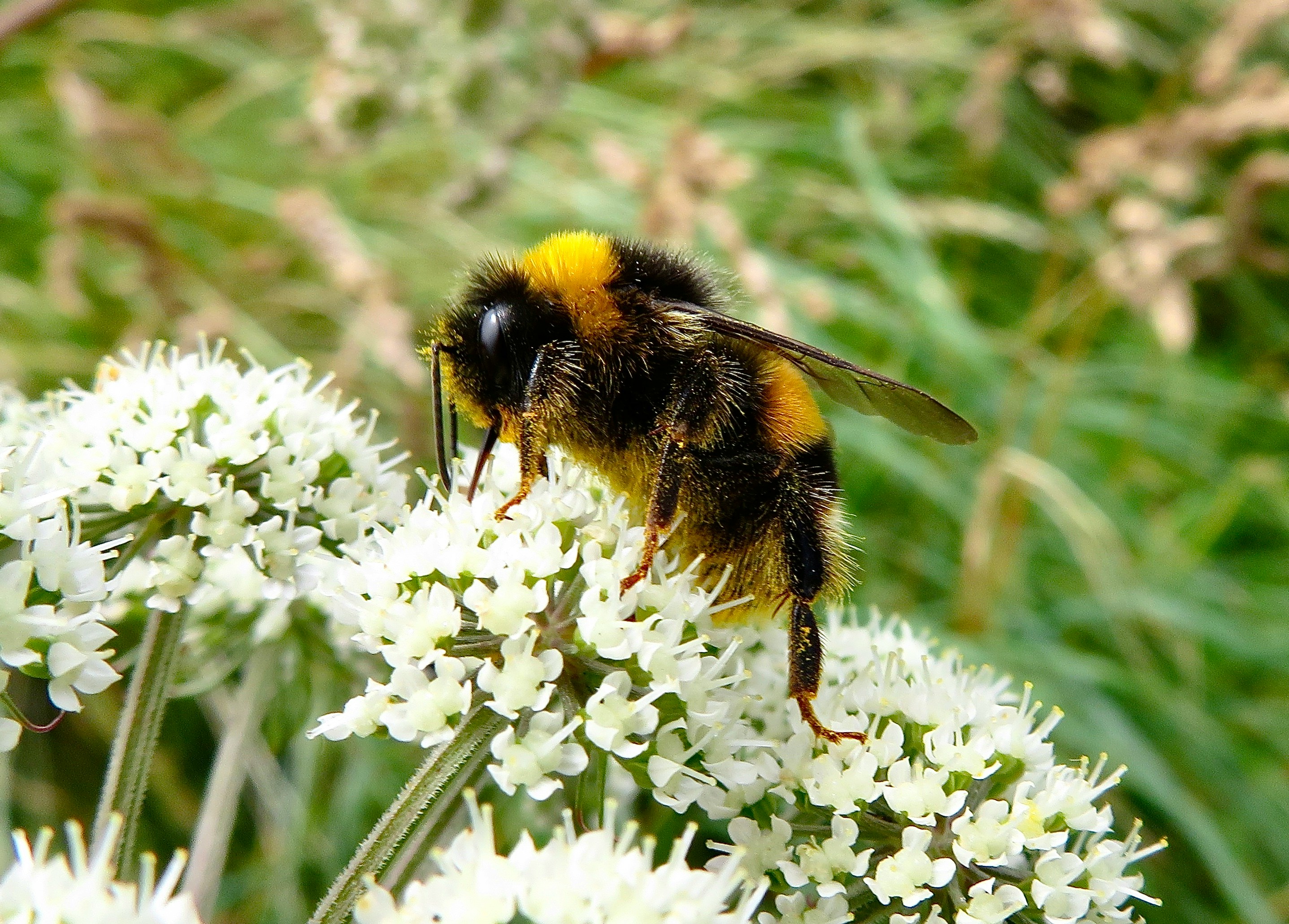
Western Bumble Bee - Candidate for Endangered Listing
The Western Bumble Bee disappeared from much of the West Coast within a decade. Small groups still live along Usal's meadow edges, moving through flower-rich openings at the forest edge. Each sighting here helps show whether recovery is still possible.
Under the Water: Fish and Aquatic Species
Coho Salmon - Federally Endangered
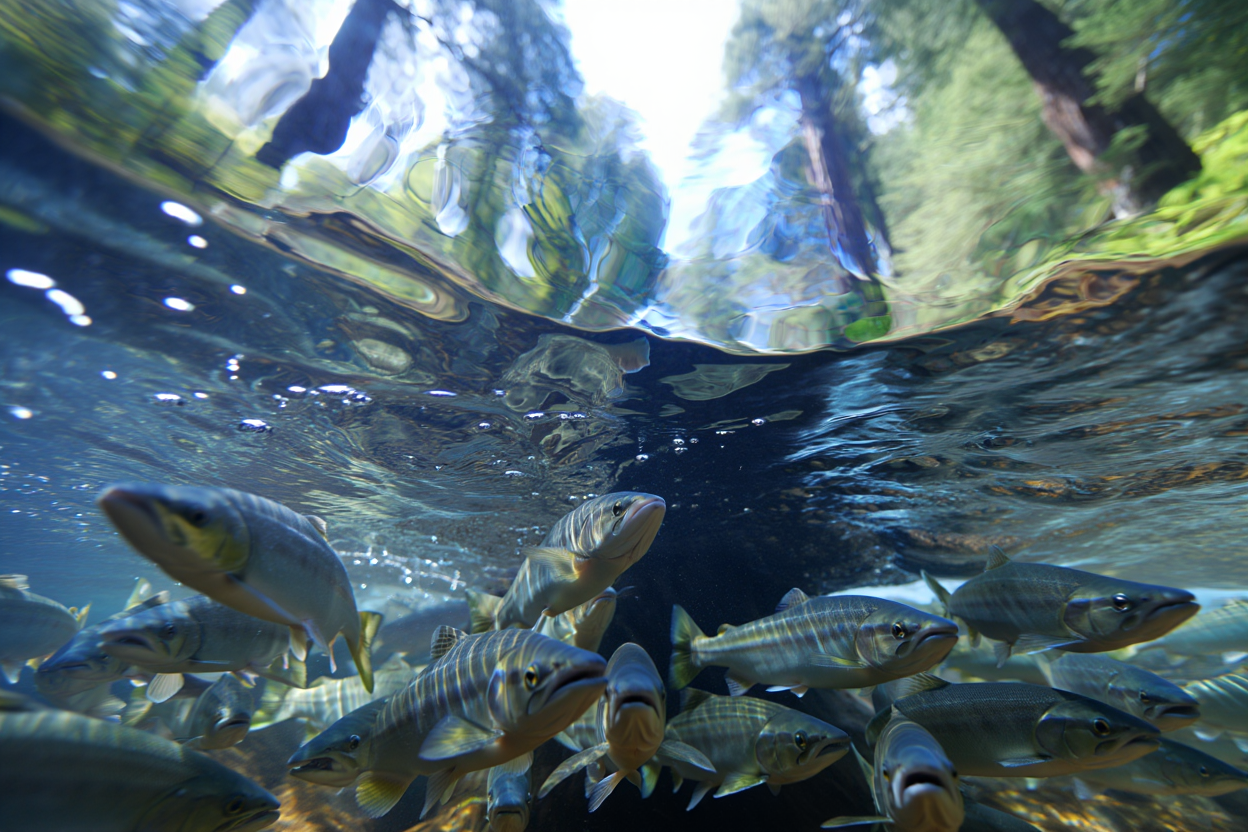
Coho salmon travel from the Pacific back to the exact gravel bar where they were born. When they die there, their bodies feed the soil with ocean nutrients that help the redwoods grow. Coho on this coast have dropped by over 95% in the past century. The work in Usal Creek keeps the cold, clean water they need to return.

Steelhead Trout - Federally Endangered
Steelhead return to Usal Creek every year if the water stays cold. That depends on the trees shading the banks. Without that canopy, the creek warms and they stop coming. The riparian work at Usal is what keeps the conditions viable for them to keep coming back.

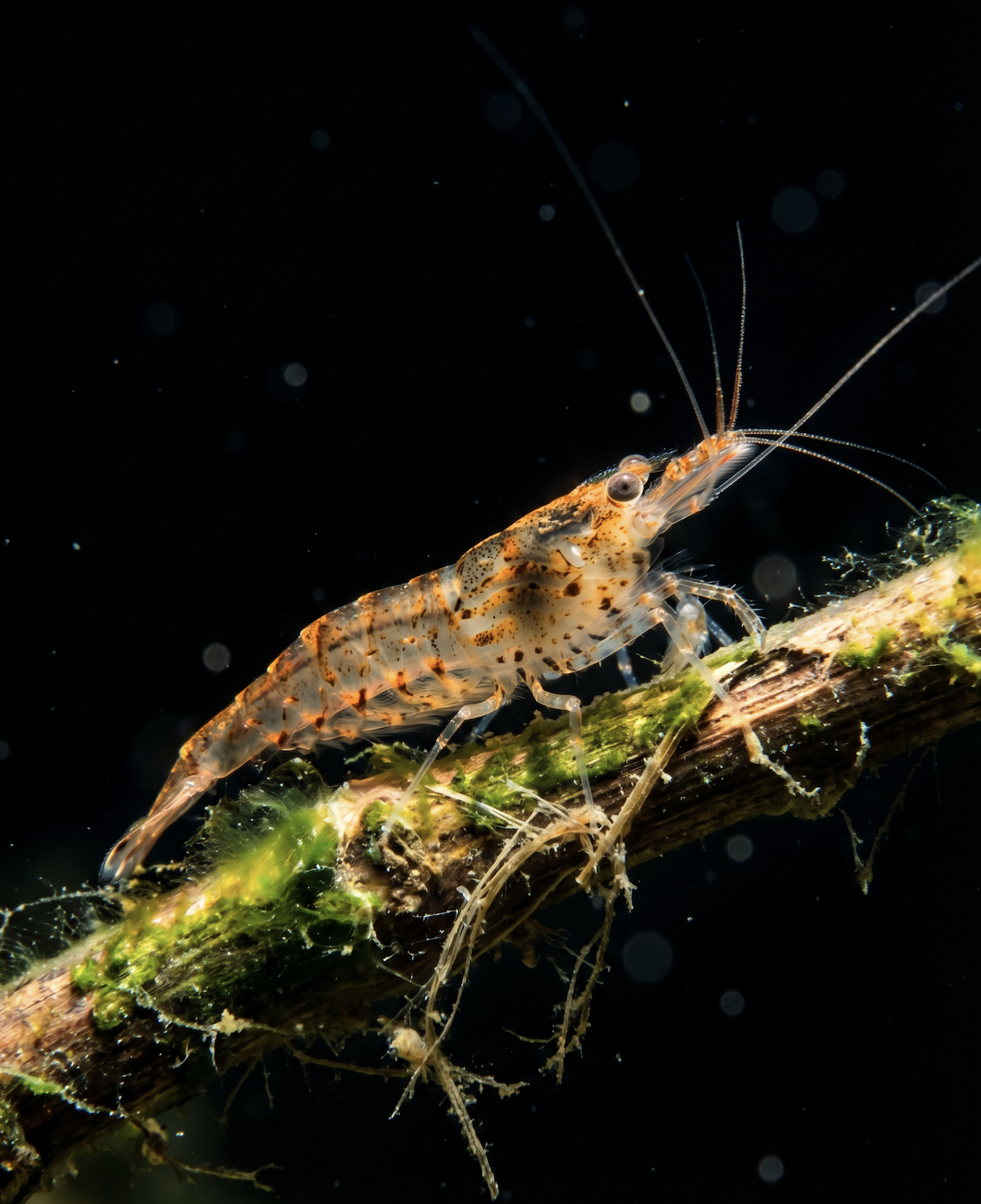
California Freshwater Shrimp - Federally Endangered / State Endangered
One of the rarest animals in California, the California Freshwater Shrimp lives under roots and plants in slow, shaded parts of streams. It survives only where the water stays clean and cool. One burst of sediment can wipe out an entire local group because this species cannot move far. A sighting is a sign that something rare is still holding on.
In the Sky: Birds
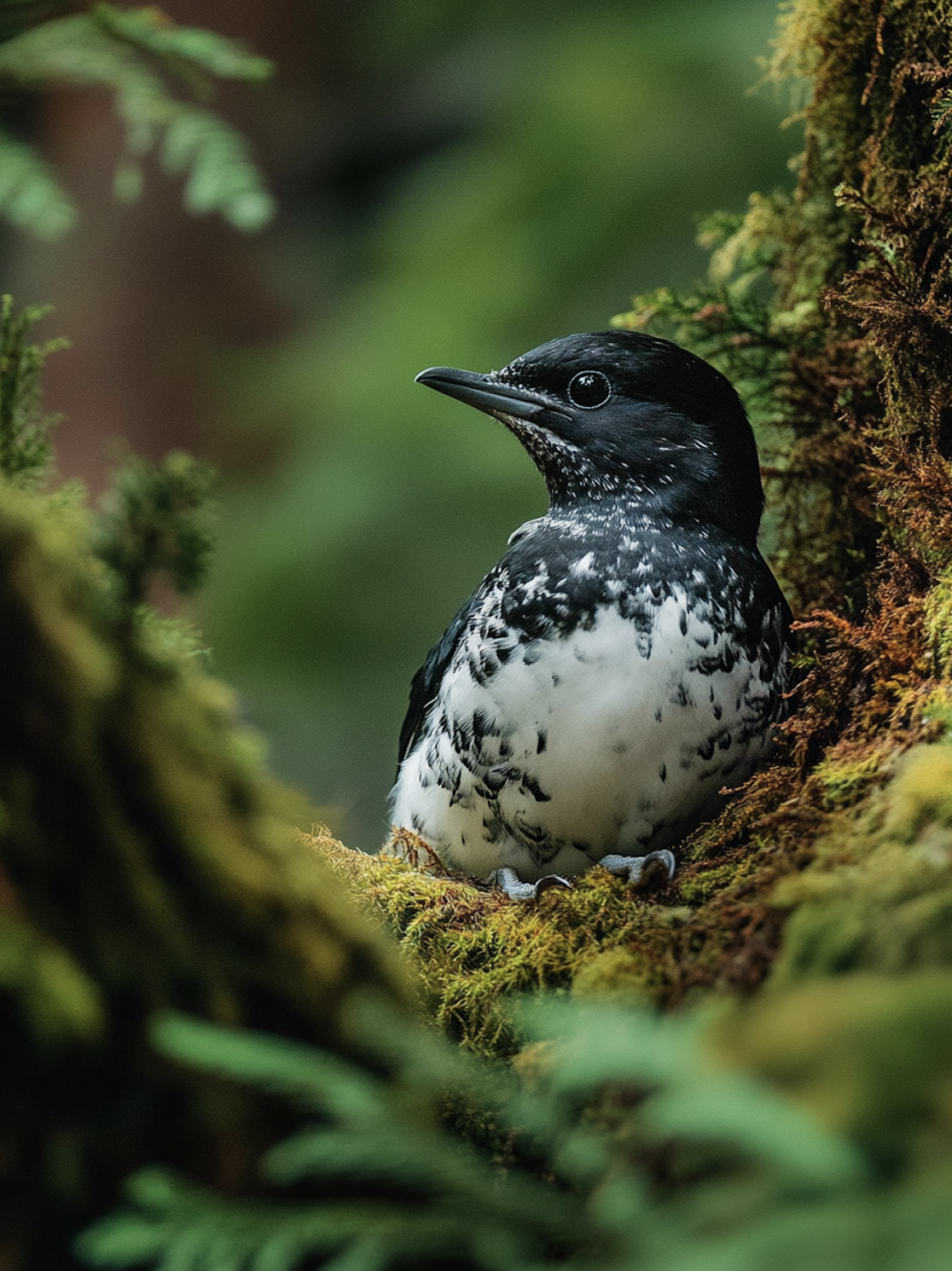
Marbled Murrelet - Federally Threatened
The Marbled Murrelet lives on the ocean and raises its family in a 200-year-old tree. It flies inland from the Pacific to nest on the wide, mossy branches of old-growth redwoods, laying one egg on bark that takes over 150 years to form. Less than 5% of these trees remain. Hearing one before dawn near Usal means the forest still has a tree old enough to trust.
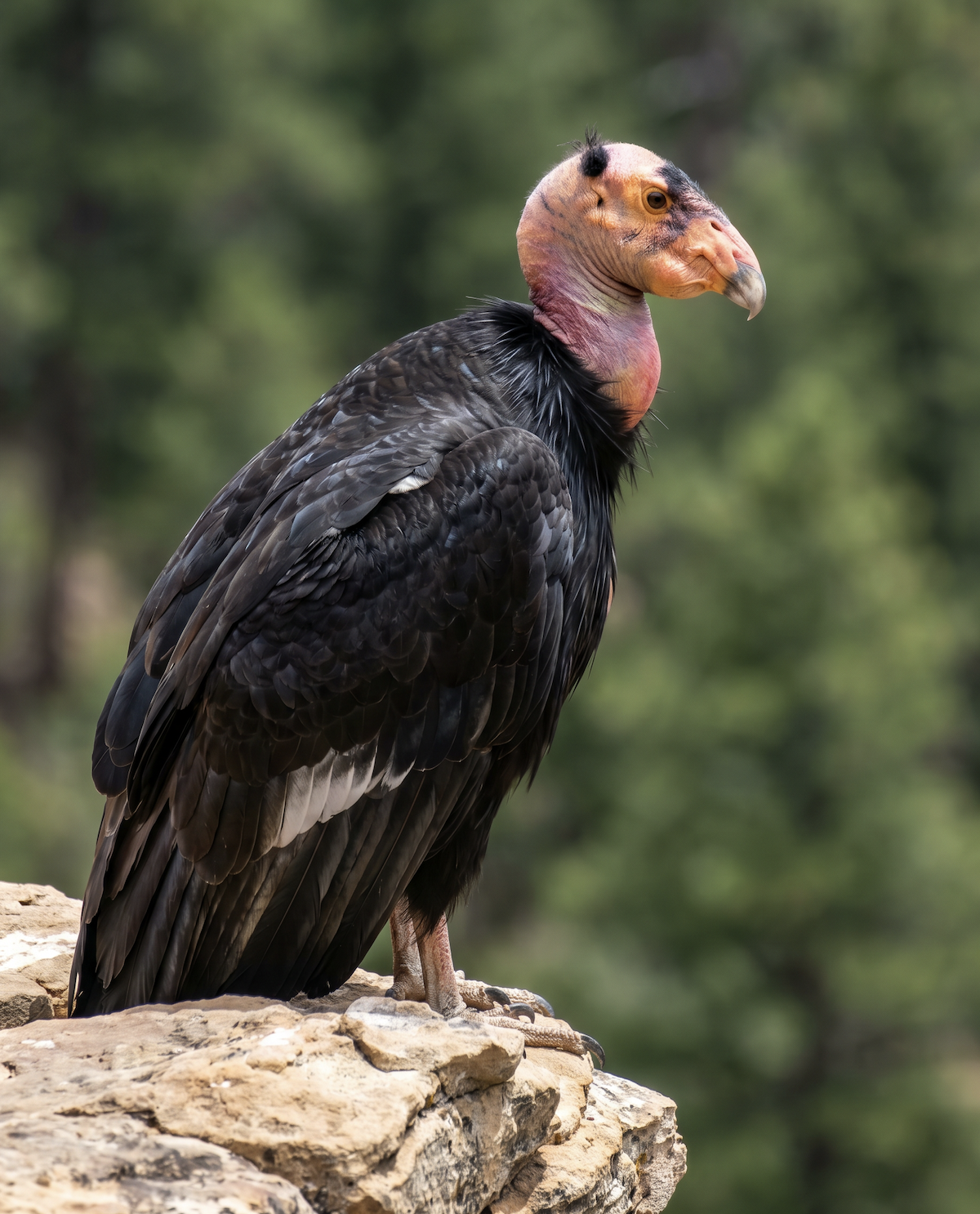
California Condor - Federally Threatened
Every California Condor alive today comes from just 27 birds. The Yurok Tribe has led the condor's return to the North Coast through a reintroduction effort grounded in culture and ecology. With a wingspan reaching nearly ten feet, when one crosses the ridge above Usal, people remember exactly where they were when they saw it.
Plants and Fungi
Coast Redwood - Not Listed / Irreplaceable
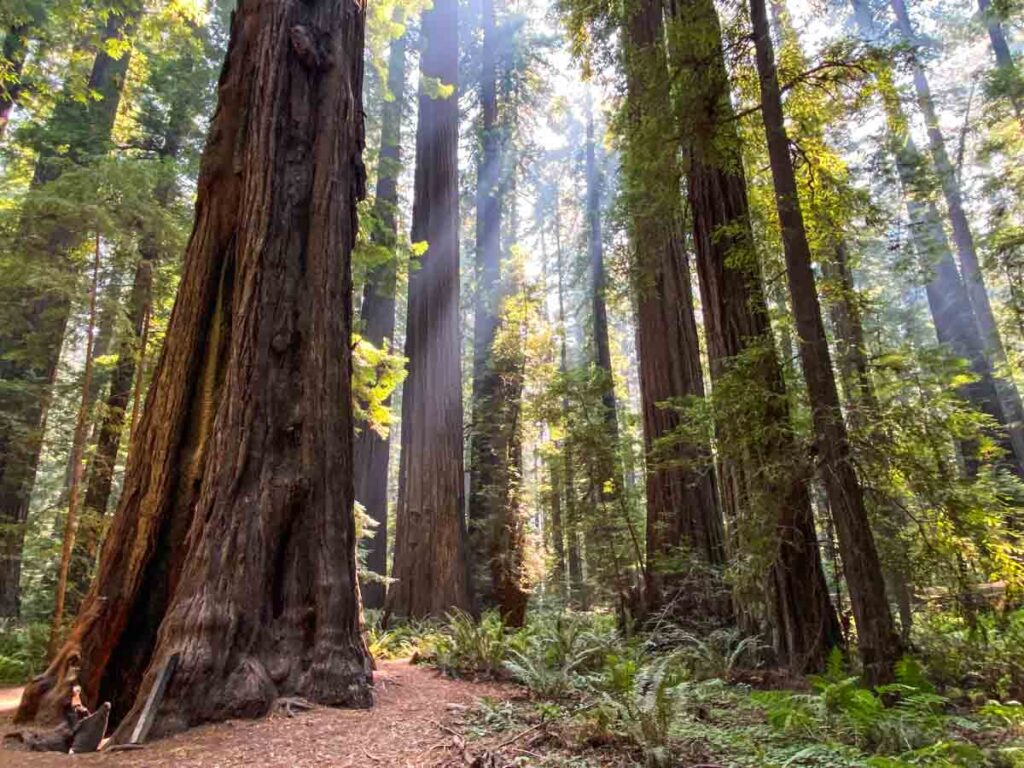
The Coast Redwood grows in a thin strip of Pacific fog belt where summer moisture keeps its bark thick and its roots tangled with every other tree around it. The oldest trees at Usal are several hundred years old, which by their own standards is still early. They are the reason all the animals on this list have somewhere to live, something to hide in, something to come back to.

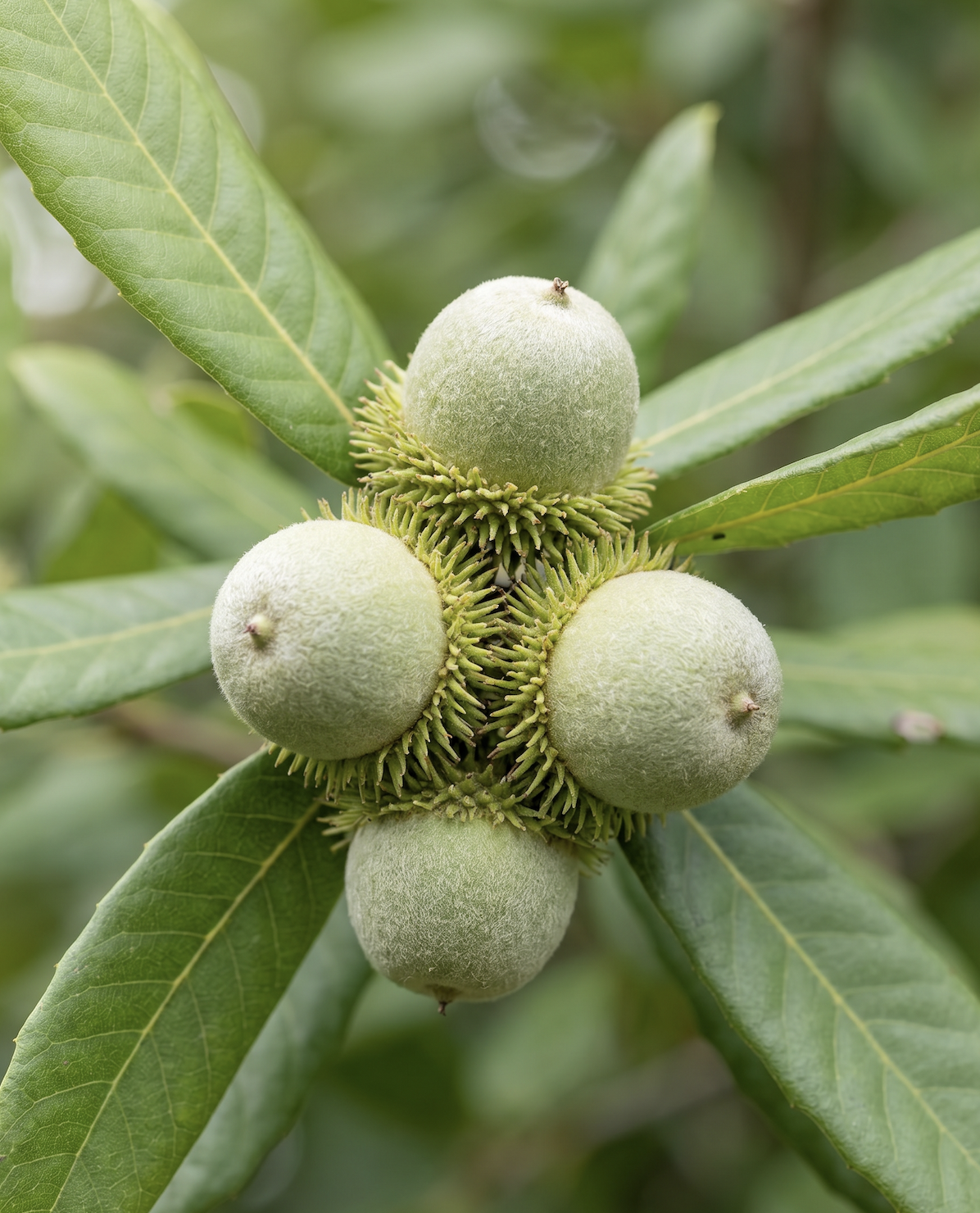
Tanoak - Not Listed / Culturally Essential
Tanoak acorns sustained the Sinkyone, Yurok, Karuk, and Hoopa peoples across generations, and they continue to feed deer, woodpeckers, and black bears through Usal's interior slopes. Its presence across the forest mosaic at Usal reflects both ecological and cultural continuity.
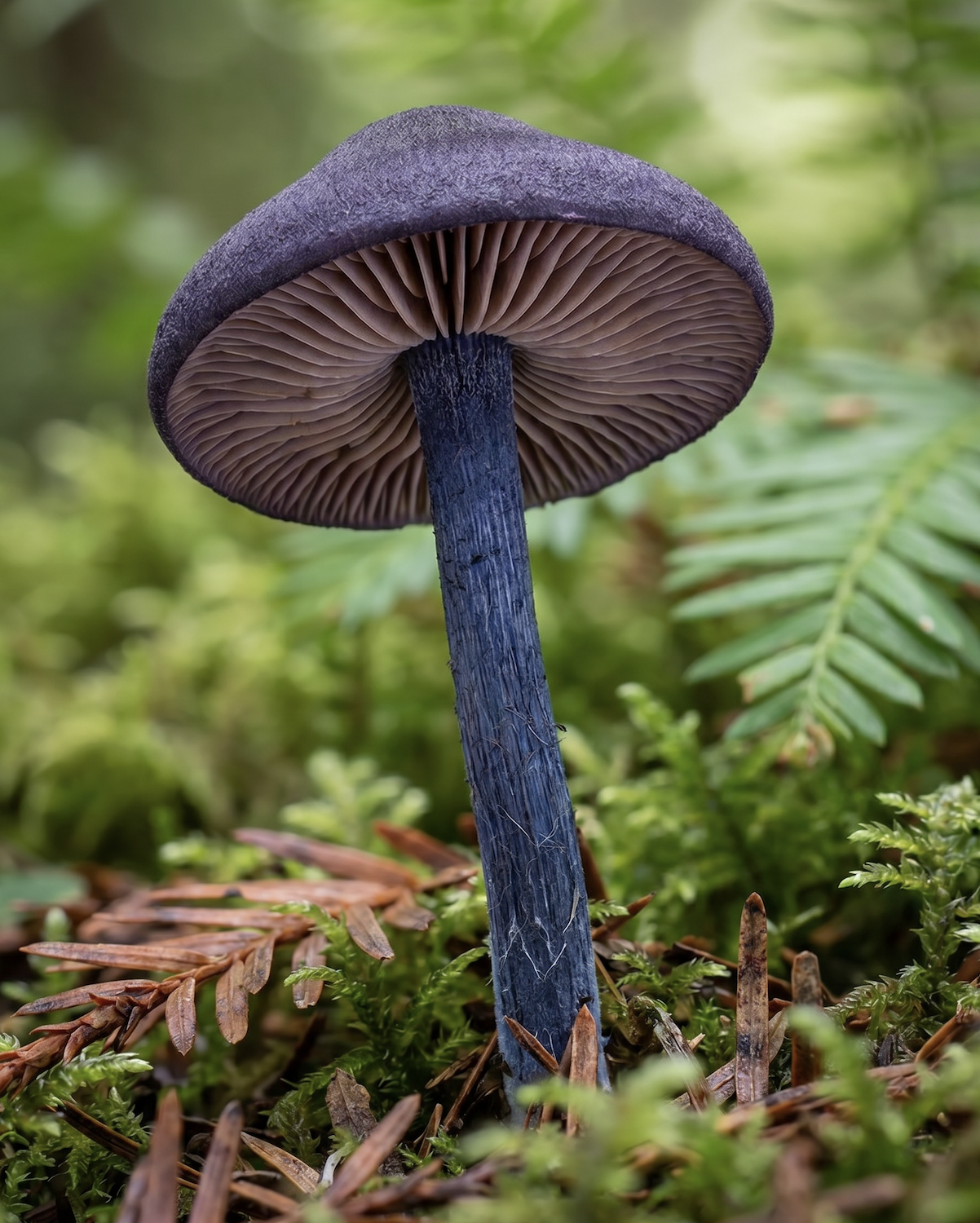
Pink Leptonia - Vulnerable / Redwood-Restricted
After the first autumn rains, the Pink Leptonia pushes up through the leaf litter as a small pale cap doing the nutrient work the whole system depends on. It exists only within old-growth redwood forest, nowhere else on Earth.
What These 15 Species Share
All 15 depend on conditions that intact, well-managed redwood forest provides: cold clean water, old-growth structure, dense riparian corridors, and connected habitat across a large enough landscape to support viable populations. Protecting and restoring the ecosystem at Usal is what supports all of them at once.
That work is funded through RFF's working forest model, where FSC-certified timber operations generate the revenue that makes permanent land protection financially sustainable. The species on this list are the measure of whether it's working.
FAQ - Frequently Asked Questions
1. What endangered species live in redwood forests?
Several species with threatened or endangered status depend on coast redwood forest habitat, including the Coho Salmon, Marbled Murrelet, Northern Spotted Owl, California Condor, Humboldt Marten, and California Red-Legged Frog. At Usal Redwood Forest on the Mendocino Coast, at least 15 species with some form of conservation concern have documented presence or critical habitat on the property.
2. Why does old-growth redwood forest matter for wildlife?
Old-growth redwood provides structural features that younger forests cannot replicate, including large trees with cavities, broken tops, heavy dead wood on the floor, and multilayered canopy. Species like the Marbled Murrelet nest only on branches that take over 150 years to form. The Northern Spotted Owl and Humboldt Marten both require this kind of late-successional structure to hunt and raise young.
3. Are Coho Salmon connected to forest health?
Coho require cold, clean water with low sediment to spawn, and their juveniles need shaded pools with large wood to survive. Forest cover along stream corridors keeps water temperatures low. At Usal, RFF's watershed work addresses both through road decommissioning and riparian planting.
4. What is the Humboldt Marten and why is it rare?
The Humboldt Marten is a small carnivore in the weasel family, classified as Federally Threatened and State Endangered. Its population is extremely small and restricted to a narrow band of the northern California coast. Usal holds some of its only remaining verified habitat.
5. Can I see wildlife at Usal Redwood Forest?
Wildlife sightings at Usal are common, particularly Roosevelt Elk moving through the open meadows. The guided ATV tour covers the working forest landscape where wildlife observation is part of the experience. Book at redwoodforests.org/atv or call 707-813-1704.
6. What is Rewood Forest Foundation doing to protect these species?
Redwood Forest Foundation's work at Usal targets the habitat conditions that benefit all 15 species at once, including old-growth protection, stream and riparian restoration, and road decommissioning. The working forest model uses FSC-certified timber revenue to fund conservation, making permanent land protection financially sustainable.