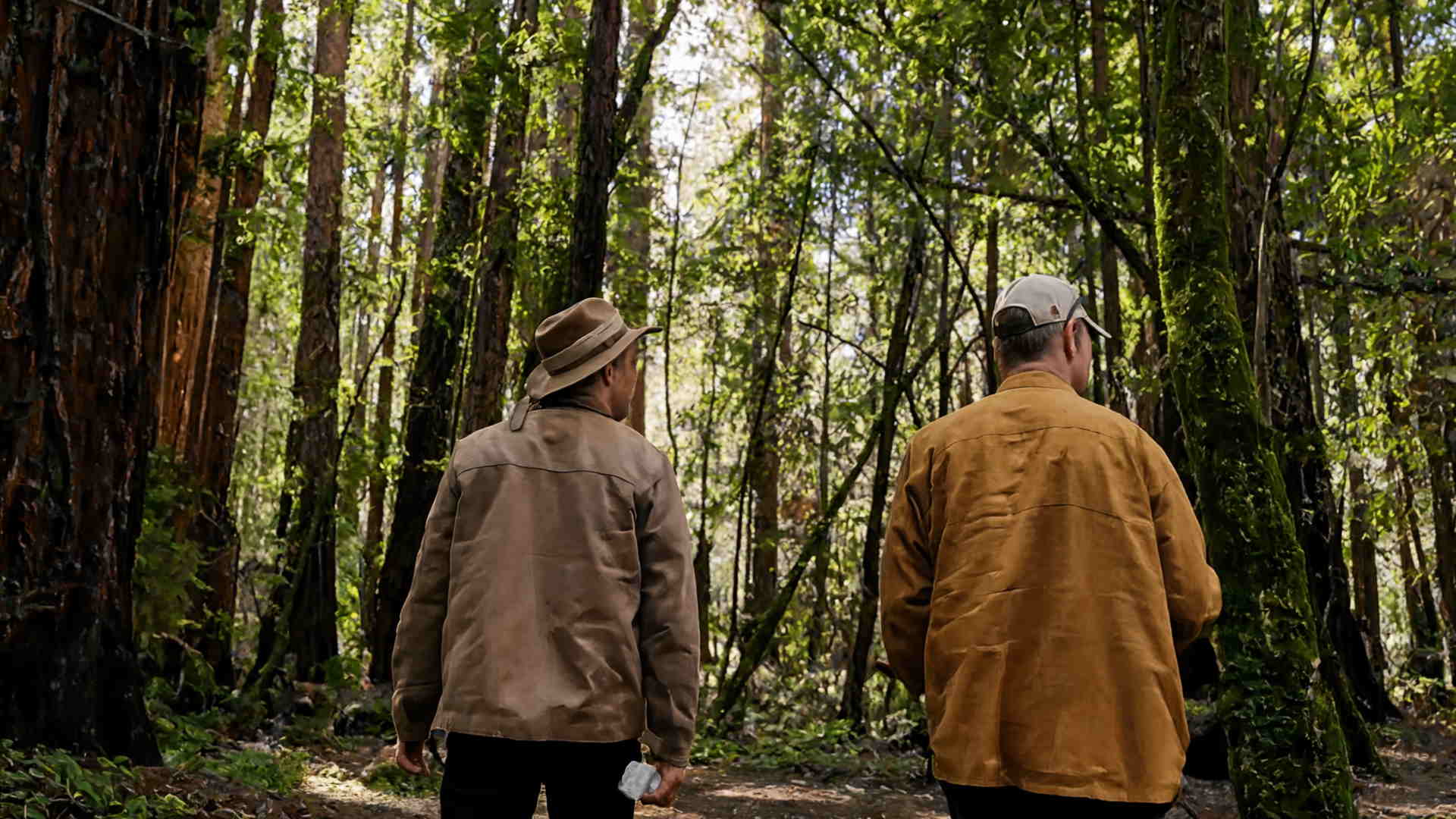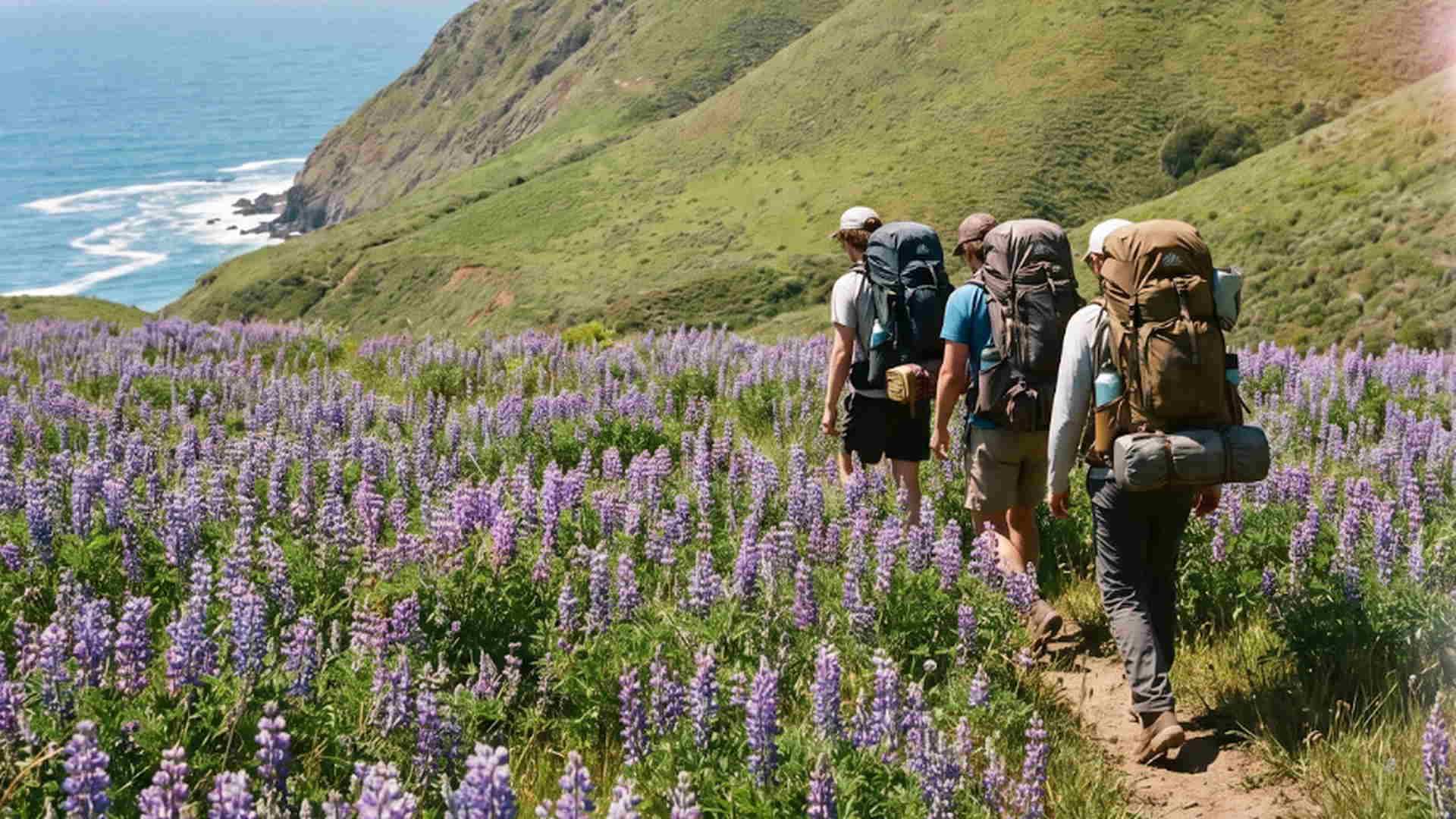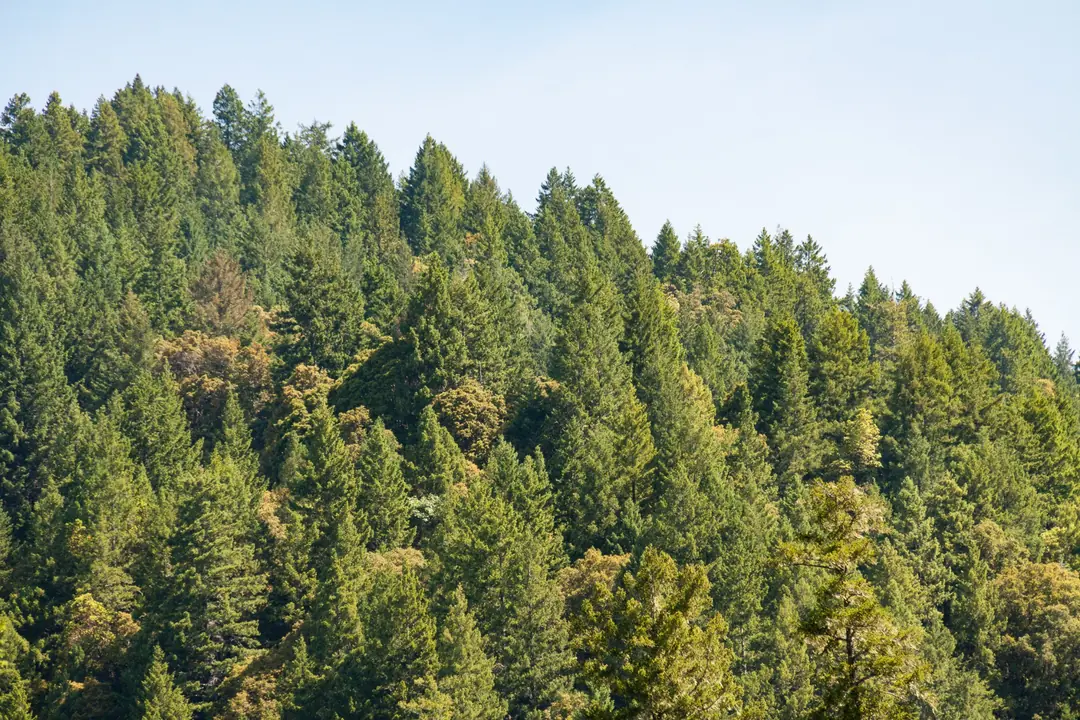


At some point in the last few years, "touch grass" went from a social media insult to something people actually started taking seriously. The science has been building quietly for decades, and what it shows is straightforward: time spent outside, around trees and green space, changes what is happening in your body. Not in a vague, feels-good way. In a measurable, documented, this-shows-up-in-your-bloodwork way. Here is what the research says and why a coast redwood forest is one of the better places to test it out.
Why Do We Underestimate How Good "Touch Grass" Actually Feels?
Holli-Anne Passmore, a psychology researcher at Concordia University of Edmonton, studies how nature affects human wellbeing, and she makes a point that is worth sitting with: people consistently underestimate how much better time outdoors will make them feel before they go. They know it will be fine. They do not expect it to be as good as it turns out to be.
That gap between expectation and experience shows up in the data too. Studies measuring mood, stress, and attention before and after time in natural settings routinely find larger positive effects than participants predicted. Something about nature exposure does more than people account for when they are sitting indoors deciding whether to go outside.
The reasons for that gap are starting to come into focus through research, and they are more concrete than you might expect.
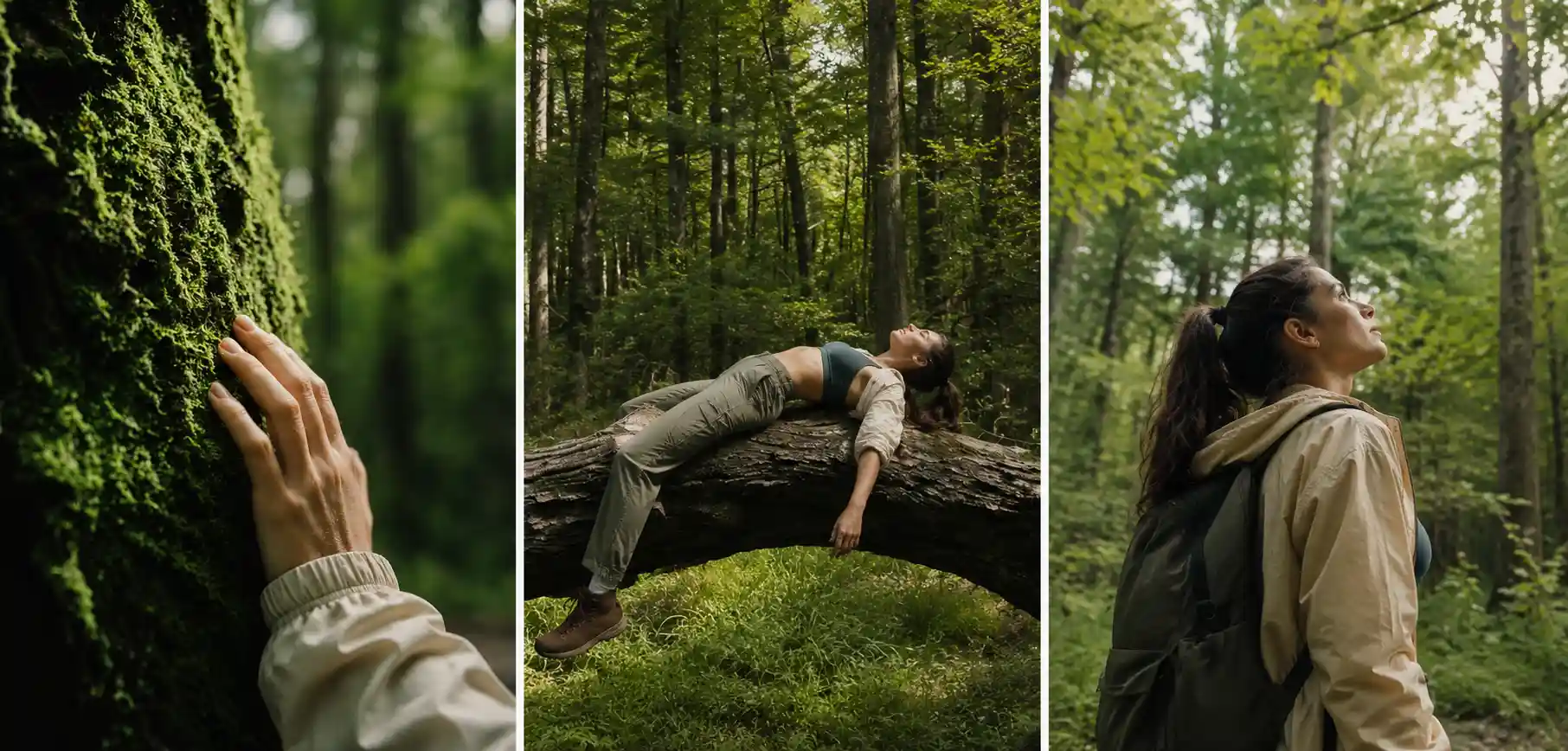
What Does Green Space Do to Your Body?
Exposure to green space, meaning parks, forests, open land, anywhere with trees and living vegetation, has been linked to lower rates of blood pressure, cholesterol, diabetes, asthma, heart disease, and stroke. Those are population-level findings from large observational studies, which means they reflect patterns across thousands of people rather than controlled experiments, so they are not proof of direct causation. But the pattern is consistent and has been replicated across different countries and contexts.
In more controlled settings, researchers have found that even brief time in a natural environment produces three measurable physiological changes:
Salivary cortisol, a primary marker of stress, drops after time outdoors. Heart rate variability, a measure of the nervous system's flexibility and resilience, improves. The autonomic nervous system shifts from the sympathetic state that screens and city streets keep it in toward the parasympathetic one, associated with recovery, digestion, and calm.
One detail from the research that tends to surprise people: trees release natural compounds called phytoncides as part of their own defense biology. These are airborne, and when you walk through a forest and breathe the air, you absorb them. Studies have found that phytoncide exposure increases the activity of natural killer cells, a component of the immune system that plays a role in fighting infection. The effect is not permanent, but it appears to persist for days to weeks after time spent in forest environments.
None of this requires a long trip or strenuous effort. Research on green space and mood consistently finds effects from exposures as short as 20 minutes.

Why Does Your Brain Need Nature Too?
Nature restores the brain's capacity for focused attention. Screens and directed tasks fatigue it, while natural settings let it recover.
Directed attention is the mode the brain uses for focused, effortful work: reading, responding, evaluating, navigating. It is the mode that most people are in for the majority of their waking hours, and it fatigues. The mental flatness that settles in by late afternoon is partly the product of that fatigue accumulating across a day.
Natural environments engage a different mode. The soft, effortless noticing that happens around trees, the way light moves through a canopy, the sound of water, the movement of birds, draws attention without demanding anything of it. Researchers call this involuntary attention, and the theory is that spending time in this mode allows directed attention to recover in a way that sitting in a quiet room does not.
A 2008 study published in Psychological Science tested this directly. Participants took a 50-minute walk in either a natural setting or an urban one, then completed tests measuring directed attention and working memory. The nature walk group outperformed the urban walk group by around 20 percent. Looking at photographs of nature produced some restoration effect, but significantly less than actual time outside.
The implication for anyone who does concentrated mental work is fairly direct. Going outside is not a break from productive time. It is part of what makes productive time possible.
Does Old-Growth Redwood Forest Do More Than a City Park?
There's no formal study directly comparing old-growth redwood forest to a city park. But old-growth forest has exactly the conditions research links to the strongest restorative effects, at a scale and intensity most parks can't match.
What is observable is this: old-growth coast redwood forest has the conditions that the research consistently associates with the largest effects. Dense canopy that filters light and blocks city noise. Complex soundscapes. Significant phytoncide production from mature conifers. Scale and structural complexity that the brain cannot process quickly, which is exactly what pulls directed attention down from its effortful mode and gives it somewhere to rest.
Usal Redwood Forest on the Mendocino Coast is 50,000 acres of coast redwood, including stands of old-growth trees that have been growing undisturbed for hundreds of years. The guided ATV tour covers terrain across the property that no hiking trail accesses, including creek corridors where the restoration work has brought coho salmon back after more than a decade of absence, old-growth formations where trees that survived centuries of fire now stand in clusters sharing the same root system, and ridgeline views over the Pacific that put the scale of the place into context.
Most people step out of the vehicle at the end of the tour quieter than when they arrived. The science has a reasonable explanation for that. But being out there is a better way to understand it than reading about it.

FAQ - Frequently Asked Questions
What does "touch grass" mean?
"Touch grass" is a phrase from internet culture that started as a way of telling someone to disconnect from their screen and spend time in the real world. The underlying idea, that most people would benefit from more time outside and less time online, has significant scientific support.
Does spending time in nature actually improve your health?
Yes, consistently. Large observational studies have linked regular exposure to green space with lower rates of cardiovascular disease, high blood pressure, and diabetes. Controlled studies have found measurable short-term reductions in stress hormones, heart rate, and nervous system activation from relatively brief time in natural settings. The effects are larger in natural environments than in urban ones.
How much time outside do you need to see a benefit?
Research suggests that meaningful effects on mood and stress physiology appear from exposures as short as 20 minutes. Longer and more regular time in natural settings produces larger effects that are more durable. The threshold for a noticeable physiological response is lower than most people expect.
Why does nature help with focus and mental fatigue?
Research on Attention Restoration Theory suggests that natural environments engage involuntary attention, the soft, effortless noticing that happens when something catches your eye without demanding anything of you. This mode allows the directed attention used for focused work to recover, in a way that rest in a non-natural environment does not fully replicate.
Where is a good place to spend time in a redwood forest near San Francisco?
Several accessible old-growth coast redwood groves sit within a few hours of San Francisco, including Armstrong Redwoods State Natural Reserve in Sonoma County and Hendy Woods State Park on the Mendocino Coast. For a longer experience in a working conservation forest, the guided ATV tour at Usal Redwood Forest on the Mendocino Coast covers 50,000 acres of coast redwood with a guide who works the land year-round.