
California is one of those places where most visitors end up doing the same ten things, and locals quietly do something else entirely. The state is big enough that you could visit ten times and still not run out of new ground. This list covers the experiences worth building a trip around, from the coast to the desert to old-growth forest, written by people who live here and actually do these things.
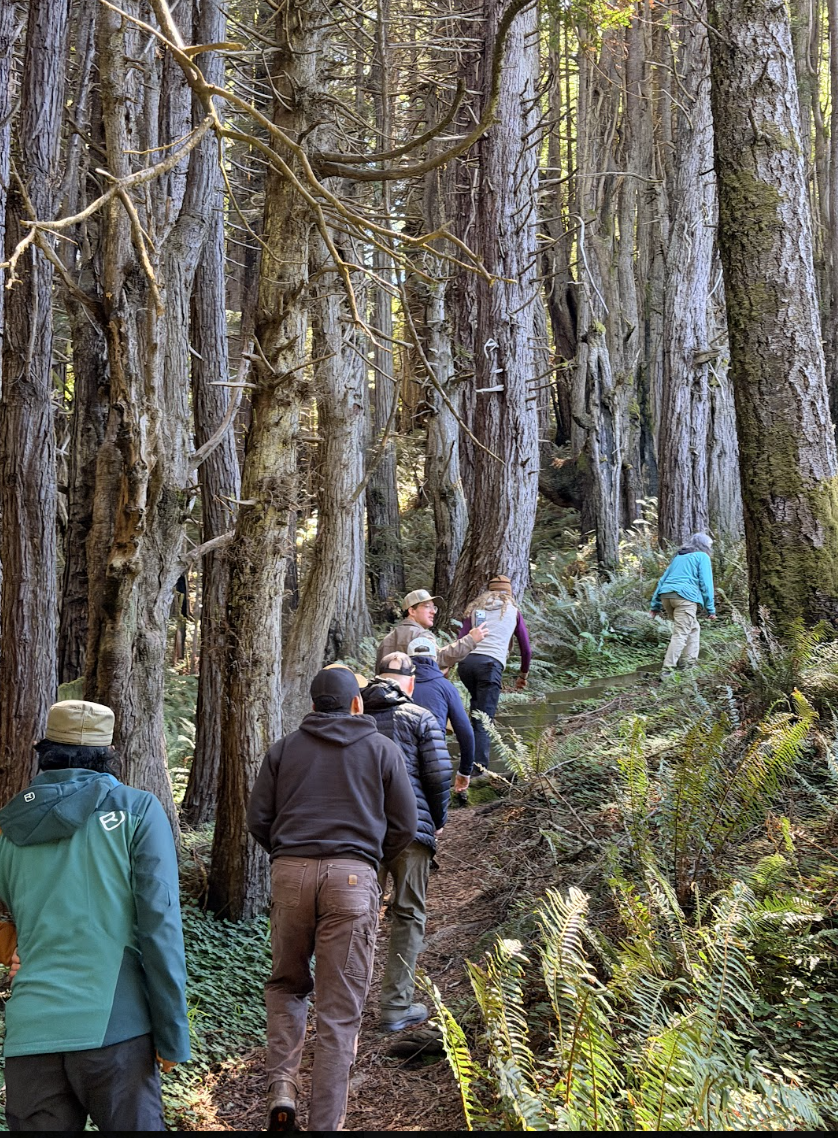
01. Walk Through an Old-Growth Redwood Forest
There are a handful of places in the world where you can stand next to a tree that was already several hundred years old when the first European explorers arrived in California. The old-growth coast redwood forests of Northern California are one of them.
The most accessible groves are in Humboldt Redwoods State Park along the Avenue of the Giants, Muir Woods just north of San Francisco, and Hendy Woods State Park in the Navarro River valley on the Mendocino Coast. Each one is worth a visit, and each feels noticeably different depending on the time of day and the season.
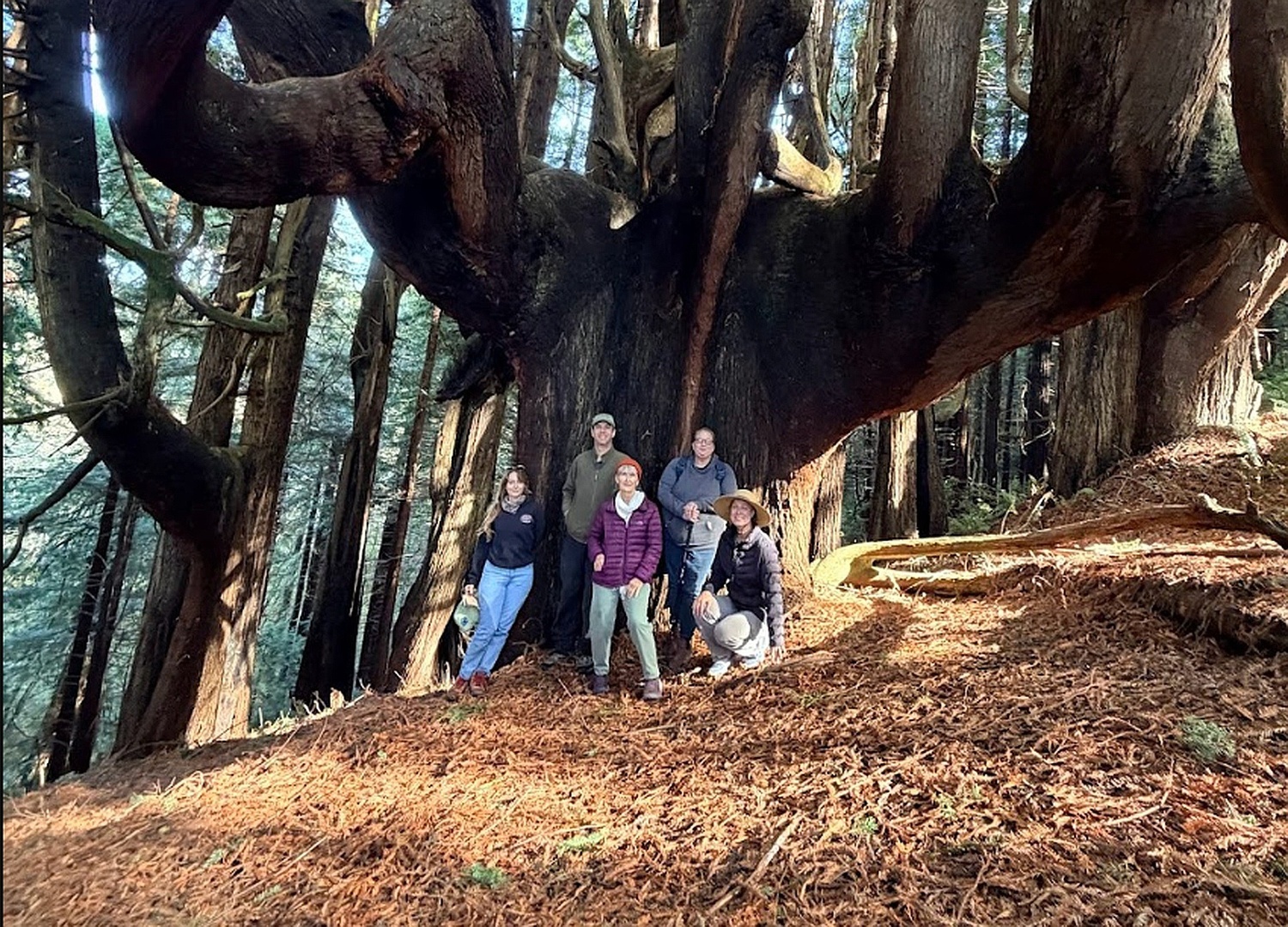
If you want to go beyond a park walk and actually understand how one of these forests is managed and restored, the guided ATV tour at Usal Redwood Forest on the Mendocino Coast covers 50,000 acres of coast redwood with a guide who works the land year-round. The tour takes about 2.5 hours, stops at old-growth formations including the Candelabra Trees, and includes a catered lunch on a coastal ridgeline.
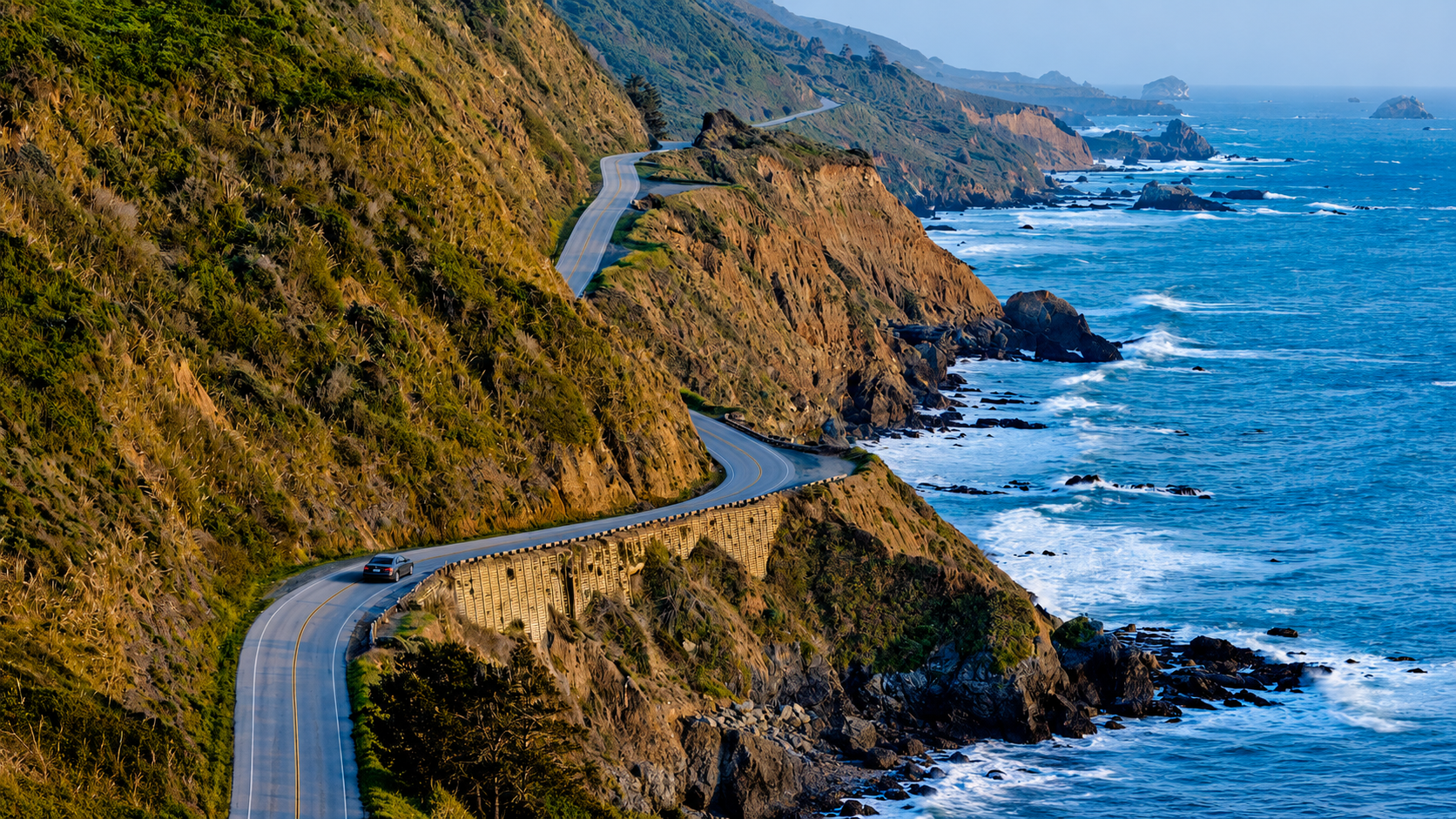
02. Drive Highway 01 From San Francisco to Mendocino
This is a drive that Californians have been doing for decades, and it still holds up. Highway 1 hugs the coast north of San Francisco through Marin, Sonoma, and Mendocino counties, with ocean views most of the way and small towns worth stopping in along the route.
The stretch through Bodega Bay and Jenner is some of the most dramatic coastal driving in the state. Further north, the road passes through Fort Bragg and Mendocino town, both worth at least a night. Budget a full day for the drive if you want to stop properly rather than just moving through.
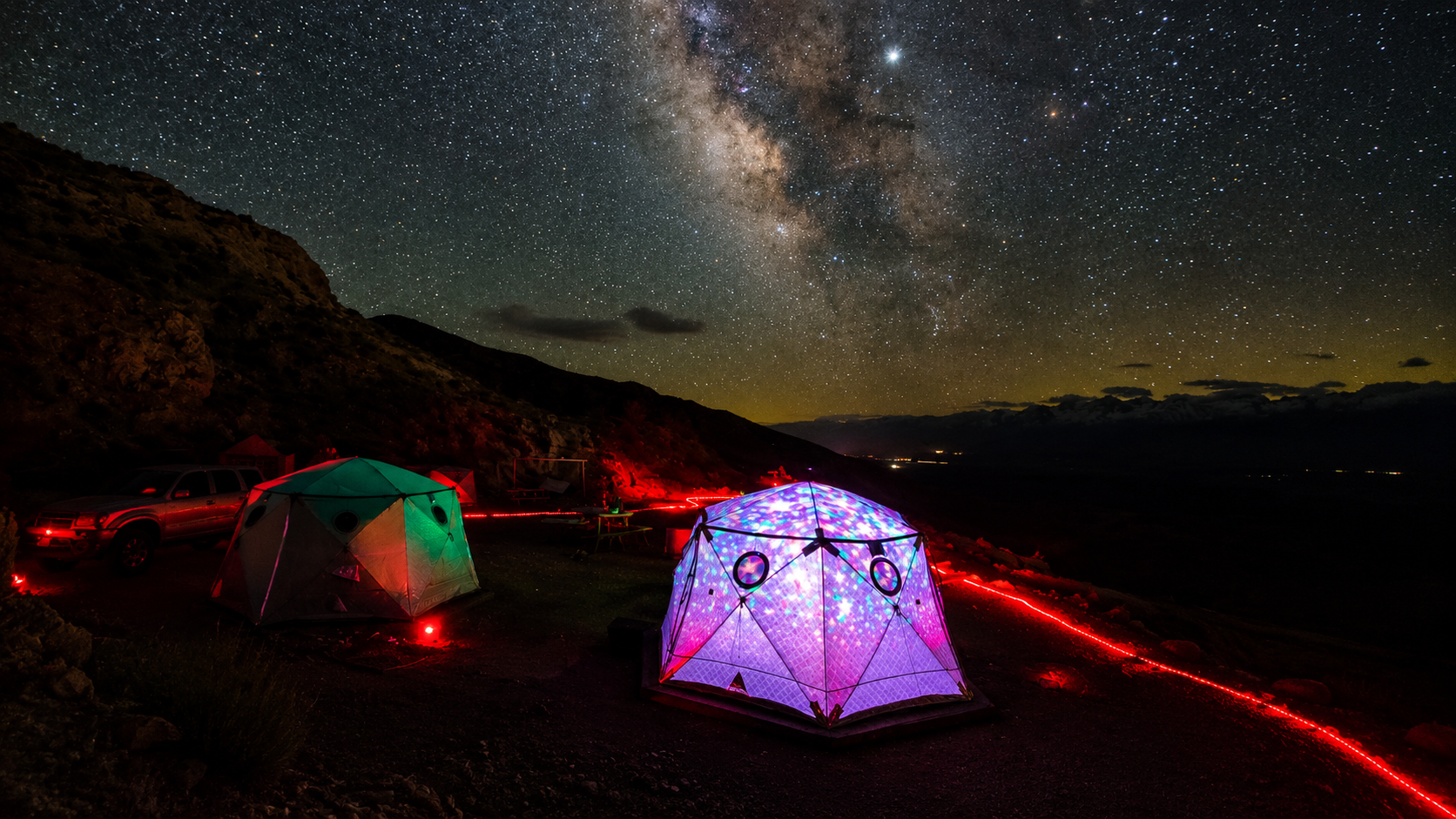
03. Spend a Night in the Eastern Sierra
The eastern side of the Sierra Nevada, running from Mammoth Lakes up through Bridgeport and Bodie, is California at its most open and least crowded. The landscape shifts from high alpine to high desert within a few miles, and the night sky out here is genuinely dark in a way that most of the state is not.
Mammoth Lakes is the practical base, with good restaurants, gear shops, and access to trails in the Inyo National Forest. Bodie State Historic Park, a preserved ghost town from the gold rush era, is worth the drive out if you are in the area. Go in late summer or early fall before the passes close for the season.
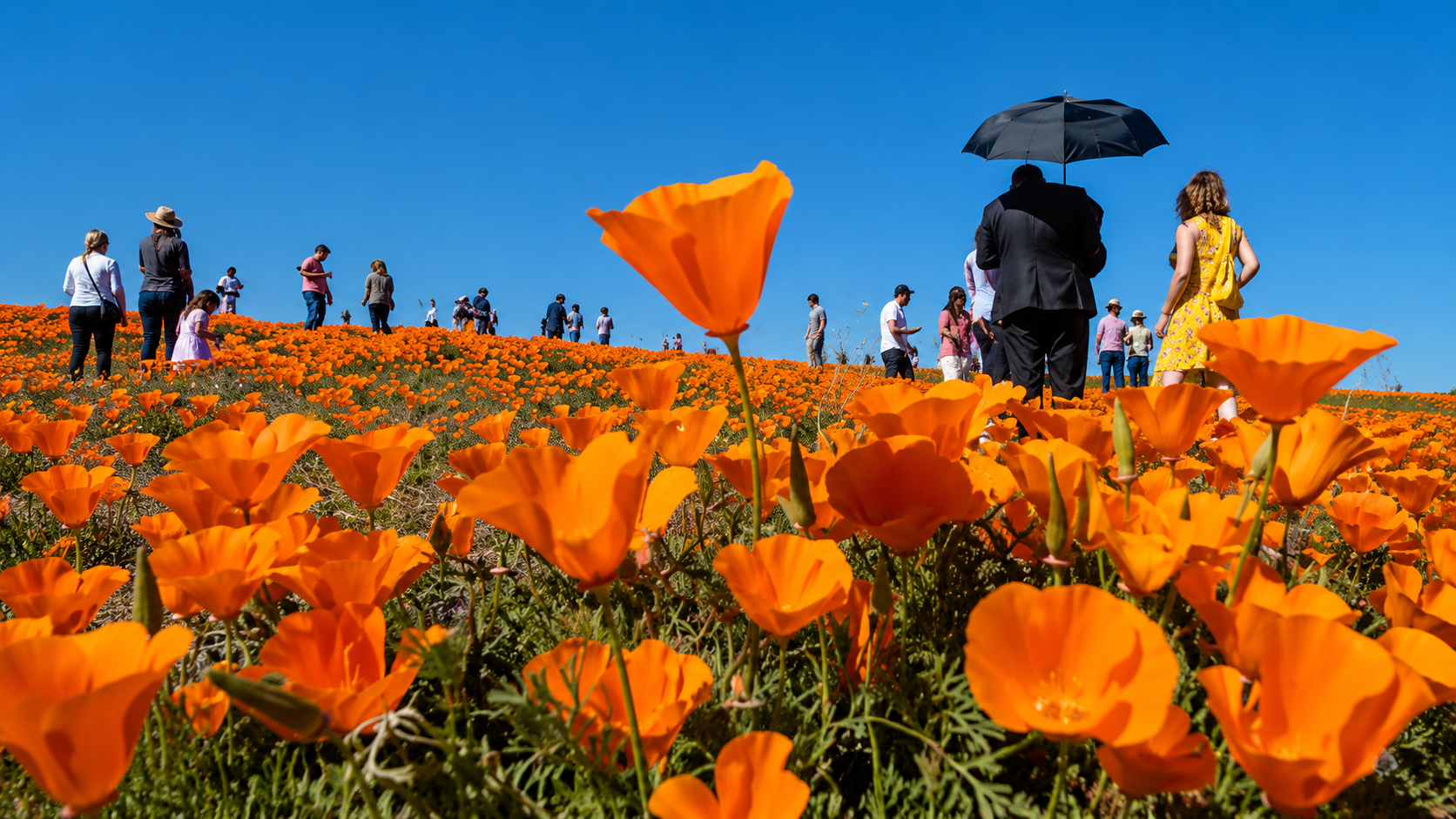
04. See the Wildflowers in the Antelope Valley
Every spring, typically between late February and April depending on the winter rains, the hills of the Antelope Valley in Los Angeles County turn orange with California poppies. The Antelope Valley California Poppy Reserve is the most reliable spot, though in a strong bloom year the flowers spread well beyond the reserve boundaries.
The timing shifts year to year based on rainfall, and locals track the bloom on the CNPS (California Native Plant Society) poppy hotline and various community forums before making the drive. A strong year is worth rearranging your schedule for.
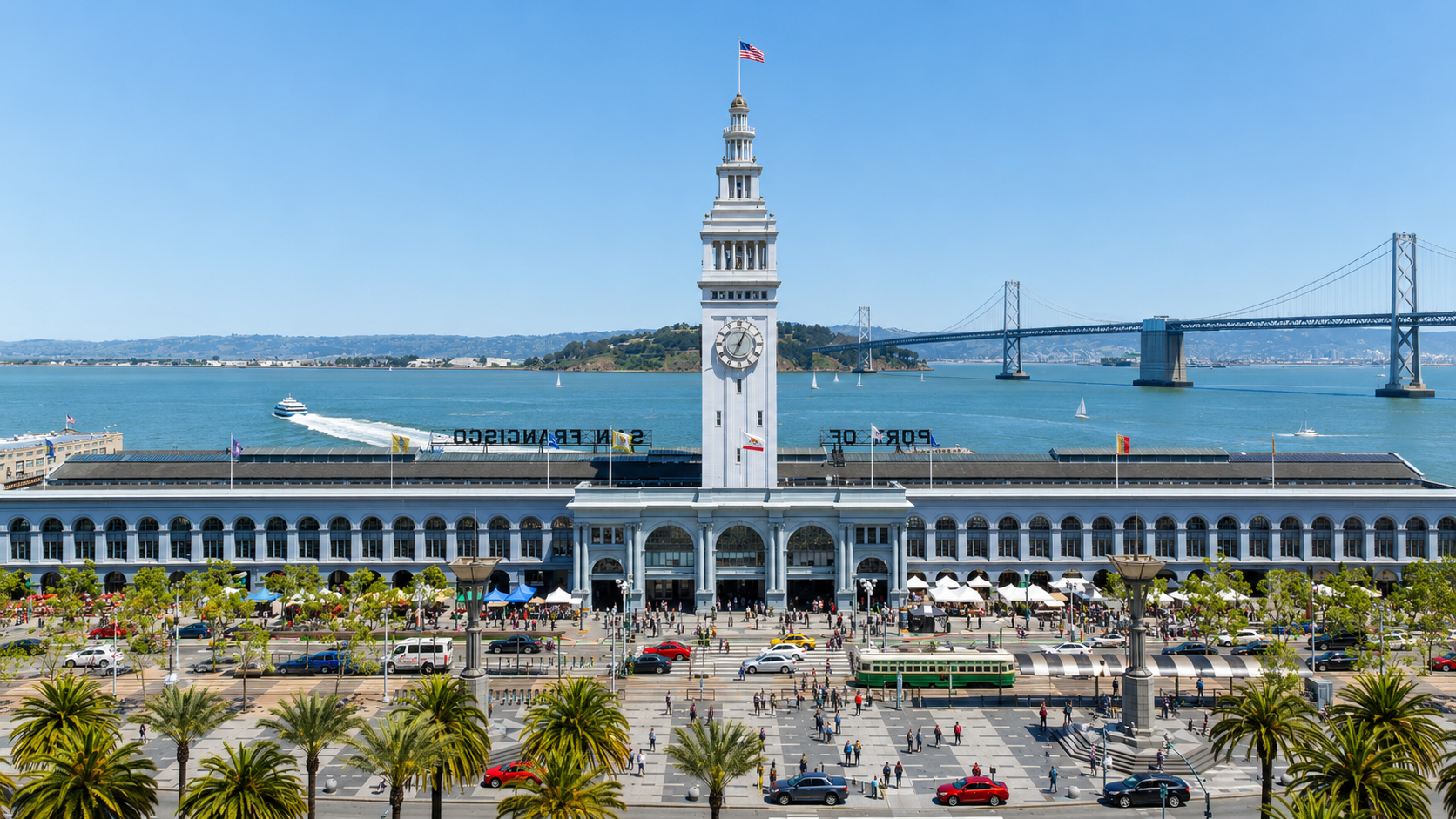
05. Eat Your Way Through the Ferry Building in San Francisco
The Ferry Building Marketplace on San Francisco's waterfront has been the best food market in Northern California for years, and it has not declined. The Saturday farmers market is the main event: local cheese makers, small farms from the Central Valley and Sonoma, specialty olive oils, seasonal produce that changes week to week, and a line at Acme Bread that tells you everything you need to know about the quality.
Inside the building, the permanent vendors include Cowgirl Creamery, Hog Island oyster bar, and Boulette's Larder. If you are here on a Saturday, plan to stay for two to three hours and eat as you go.
06. Hike to the Top of Half Dome in Yosemite
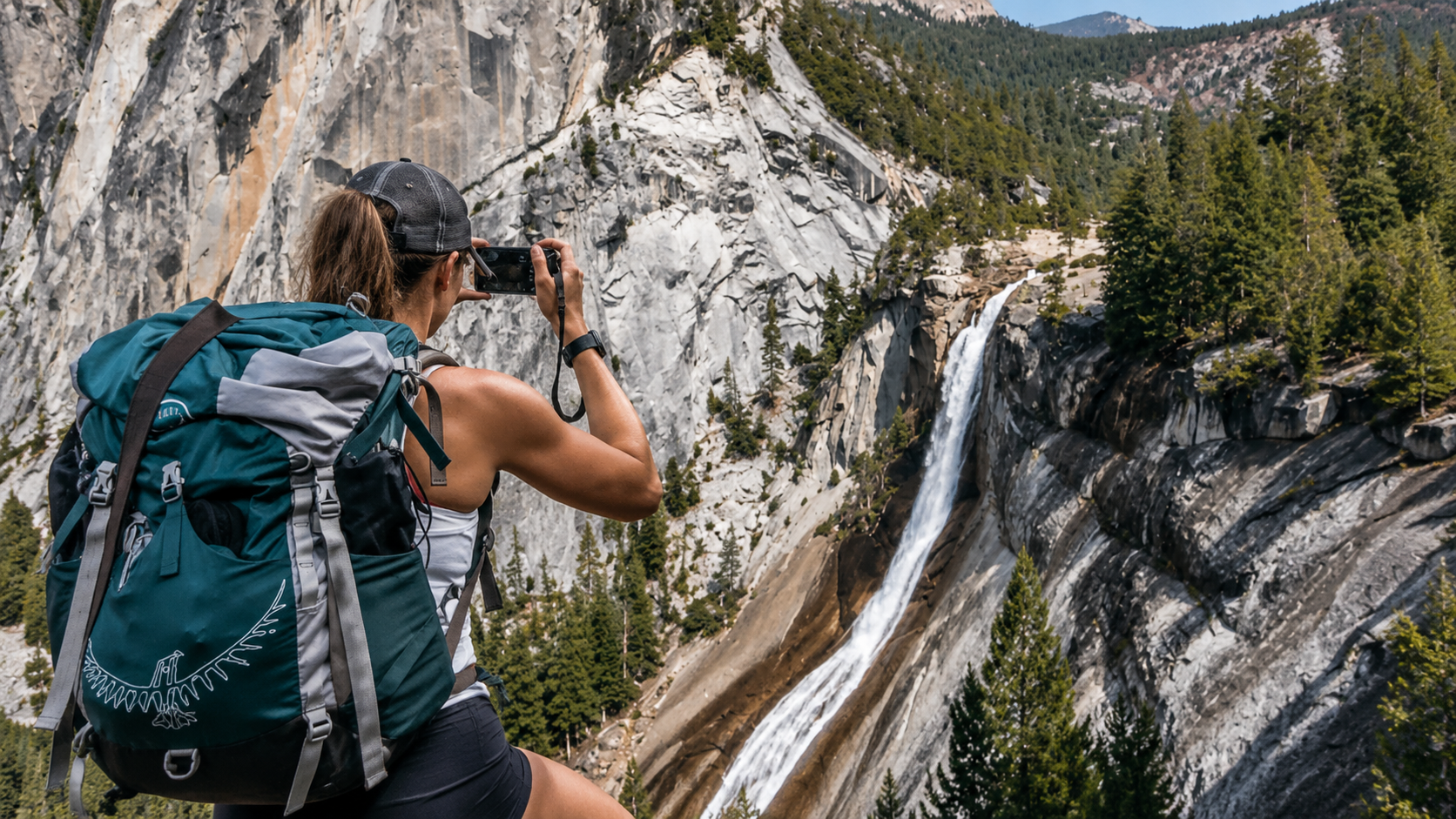
This one requires planning. The cables route to the summit of Half Dome in Yosemite National Park requires a permit, which is issued by lottery in the spring for the summer and fall season. The hike is 14 to 16 miles round trip with about 4,800 feet of elevation gain, and the final 400 feet involve pulling yourself up the granite face using fixed cables.
It is genuinely hard and genuinely worth it. The view from the summit takes in most of Yosemite Valley, the high country to the east, and on a clear day, portions of the Central Valley to the west. Apply for the permit lottery at recreation.gov in the spring. Day hike permits sell out quickly; overnight permits through the valley campgrounds give you a second entry point.
07. Spend a Weekend in Joshua Tree
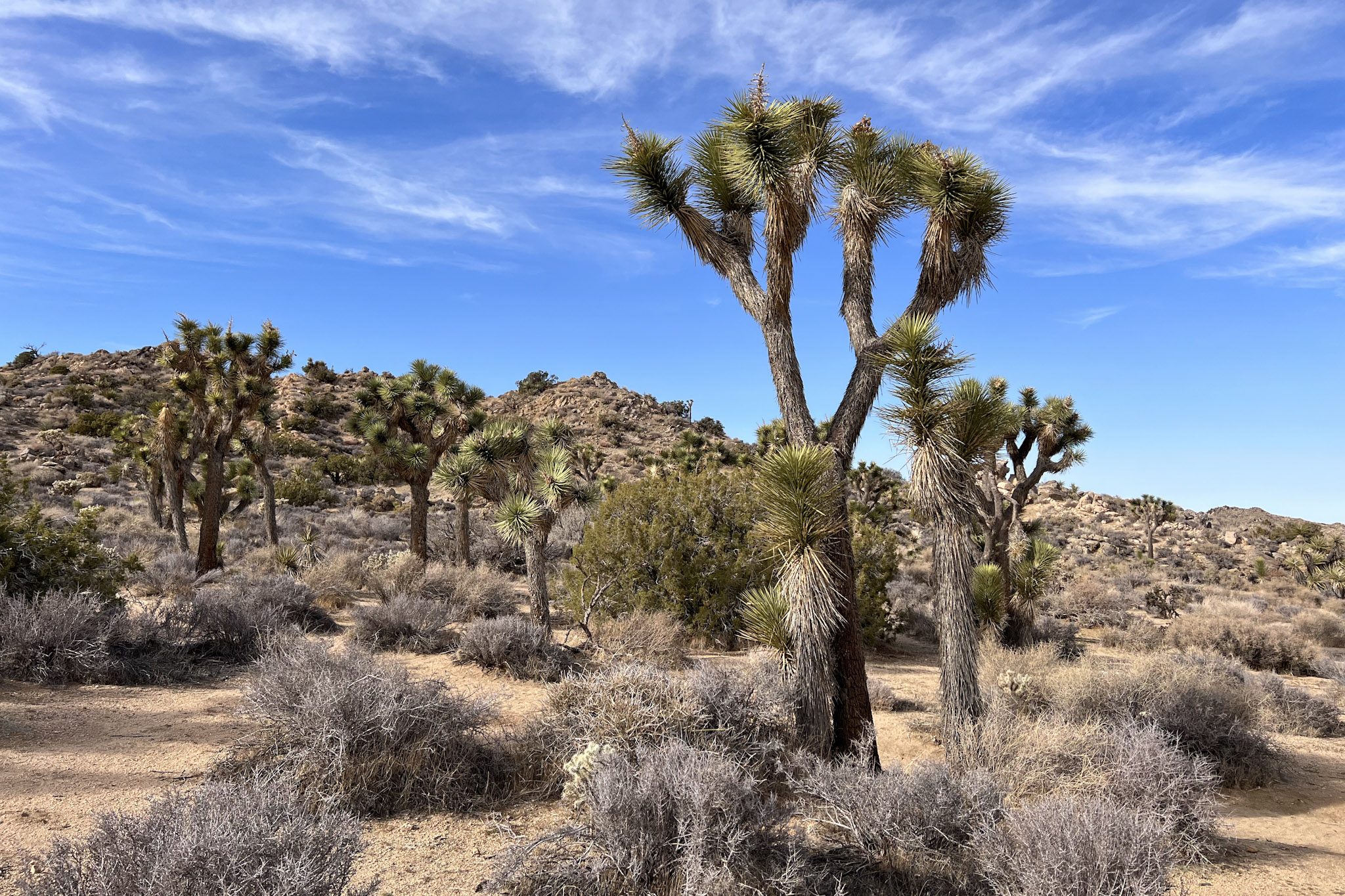
Joshua Tree National Park sits at the intersection of the Mojave and Colorado deserts, about two hours east of Los Angeles. The landscape is unlike anywhere else in the state: boulder formations the size of buildings, twisted Joshua trees spread across a high desert plain, and a silence at night that takes about a day to get used to.
The park has good rock climbing, easy to moderate hiking, and some of the best stargazing in Southern California. The town of Joshua Tree just outside the park entrance has developed a small but genuine food and arts scene over the past decade. Go in fall or early spring when the temperatures are manageable.
08. Watch the Gray Whale Migration From the Mendocino Headlands
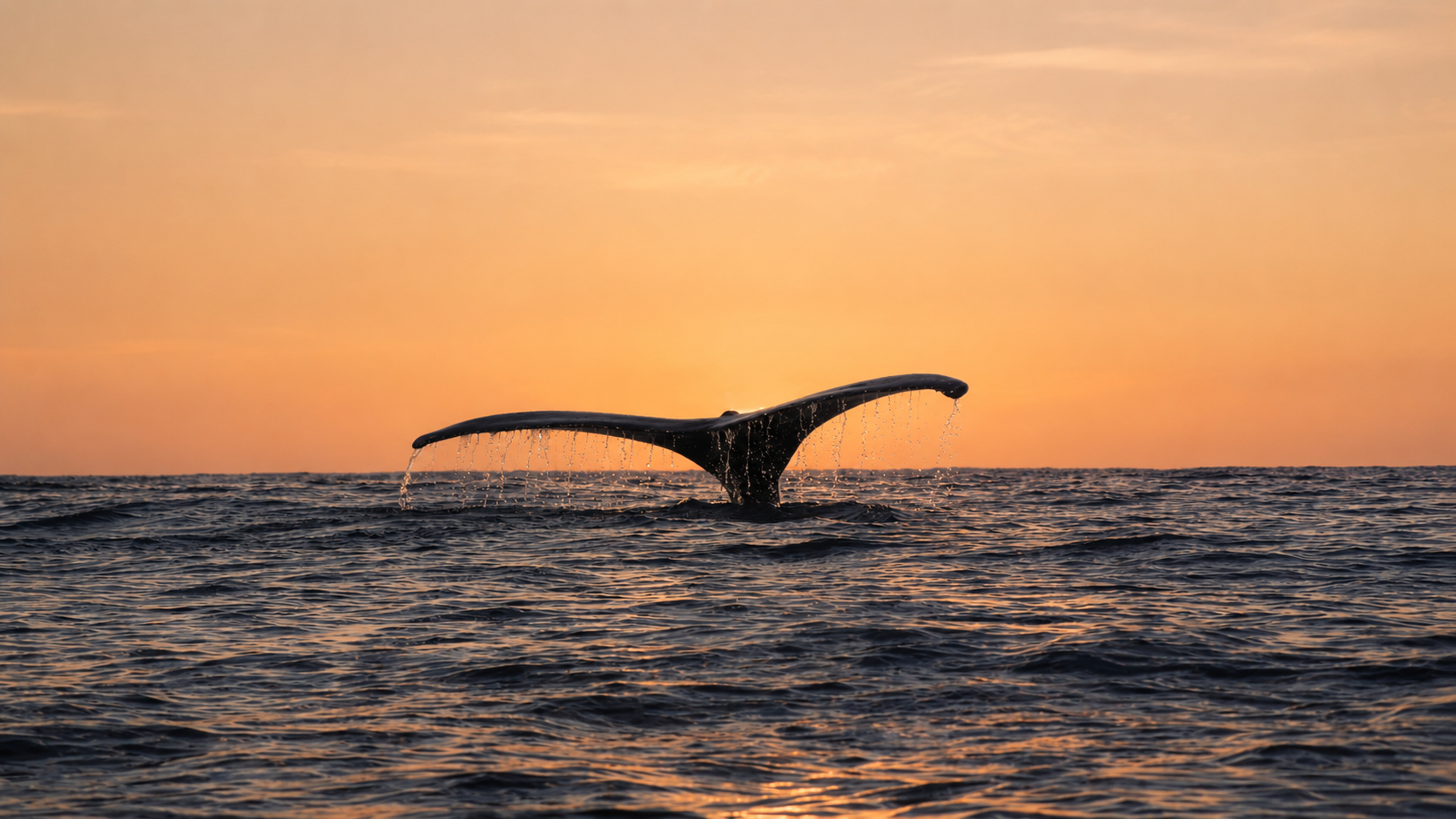
Between December and April each year, gray whales migrate south from Alaska to Baja California and then back north again, passing close to the Northern California coast in both directions. The Mendocino Headlands, a state park that wraps around the town of Mendocino, is one of the better vantage points on the coast for watching the migration.
The whales move close to shore here because the headlands jut out into the Pacific, shortening the distance between the cliffs and the migration corridor. Bring binoculars. The southbound migration in December and January tends to have the largest concentrations, but the northbound migration from March into May is when mothers travel with calves.
09. Visit a Small Winery in Sonoma or Mendocino
California has wine regions that get a lot of attention, and then it has the smaller producers in Dry Creek Valley, Anderson Valley, and the Mendocino ridges that most visitors never find. These are wineries where the person pouring your tasting is often the person who made the wine, where the production is small enough that most bottles only sell at the cellar door, and where you can sit outside and drink something genuinely good without a reservation two months in advance.
Anderson Valley in Mendocino County is particularly strong for Pinot Noir and Alsatian varieties. It sits about an hour inland from the coast on Highway 128, which makes it a natural stop on a Mendocino road trip. Navarro Vineyards and Goldeneye are the best-known names; the smaller producers like Husch and Lula Cellars are worth seeking out.

10. Camp on the Lost Coast
The Lost Coast is the section of Mendocino and Humboldt counties where the mountains come too close to the ocean for Highway 1 to follow the shoreline. The result is roughly 60 miles of coastline with almost no road access, no services, and very few people.
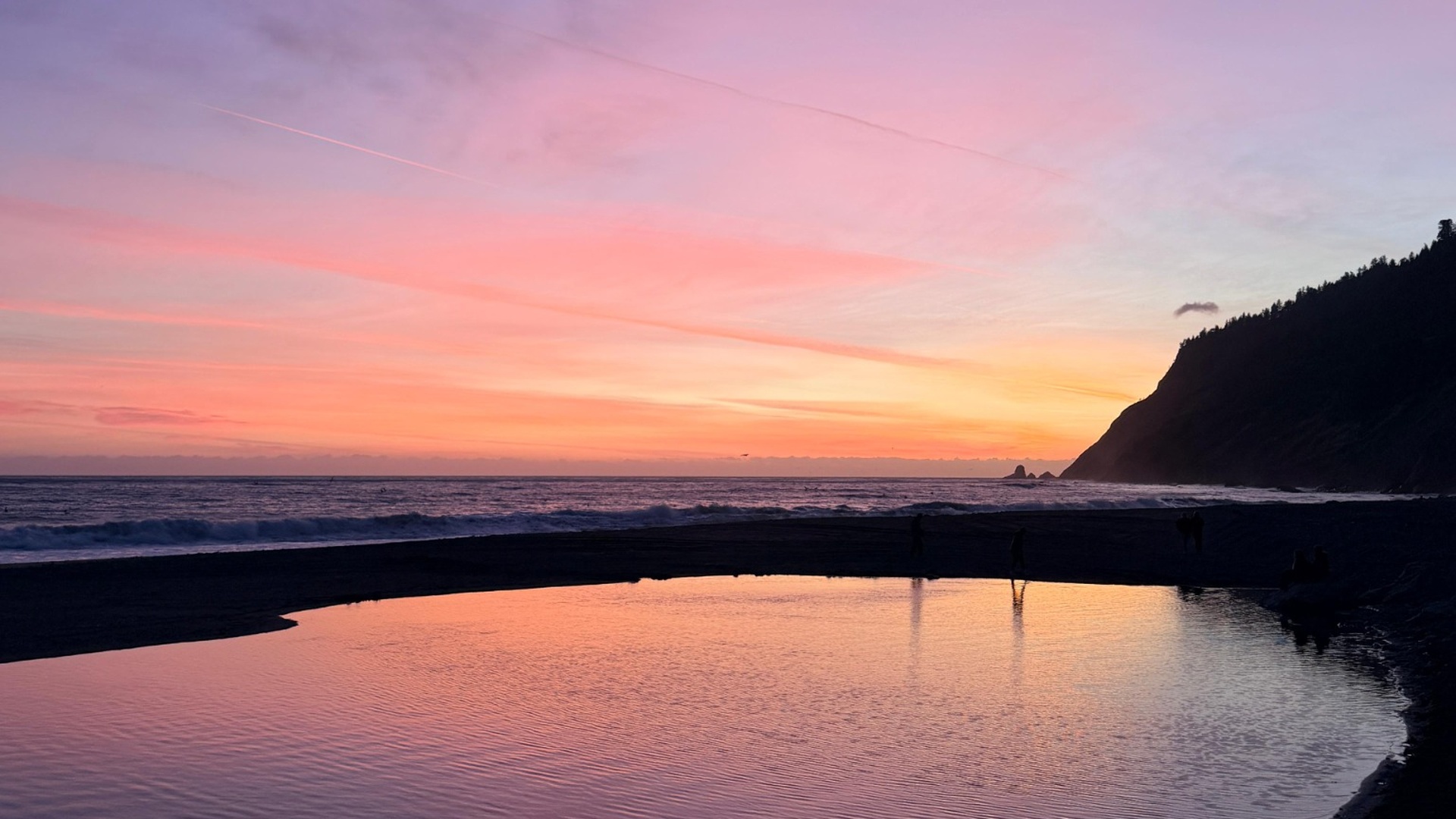
The King Range National Conservation Area manages the northern section, which includes the Lost Coast Trail running 25 miles from Mattole Beach to Black Sands Beach in Shelter Cove. The southern section includes Usal Beach, managed by the Bureau of Land Management, accessible via Usal Road off Highway 1. Usal Beach has a small primitive campground and black sand that stretches in both directions with no development visible from the water.
The Lost Coast requires some logistics. Permits are required for the King Range trail section in peak season. Water sources need treatment. The beach walking can be slow depending on the tides. It is worth every bit of the planning.

FAQ - Frequently Asked Questions
1. What is the best time of year to visit California?
California's size means the answer depends on where you are going. The coast is pleasant year-round, with summer fog in the mornings and clear afternoons. The Sierra Nevada is best from July through September when passes are open. The desert regions of Southern California are best in fall and spring when temperatures are manageable. The Mendocino Coast has good weather from May through October.
2. What are the best things to do in Northern California?
Northern California covers a wide range of experiences. The redwood forests of the Mendocino and Humboldt coasts are the most distinctive natural feature of the region. Yosemite and the Eastern Sierra are within a day's drive of most of the state. San Francisco's food scene, the wine country of Sonoma and Mendocino, and the Lost Coast all offer experiences that are specific to this part of California.
3. How do you get around California without a car?
California is not well served by public transit outside of the major cities. San Francisco, Los Angeles, and San Diego have functional transit systems, but reaching the coast, the mountains, or the redwood forests generally requires a car. Renting a car is the practical approach for most trips outside urban areas.
4. What is the Lost Coast in California?
The Lost Coast is a stretch of coastline in Mendocino and Humboldt counties where the King Range mountains rise too steeply for Highway 1 to follow the shore. It is one of the least developed sections of the California coast, with black sand beaches, primitive campgrounds, and a 25-mile backpacking trail through the King Range. Usal Beach, at the southern end, is accessible via an unpaved road off Highway 1.
5. Is Yosemite worth visiting in summer?
Yes, though summer is the busiest season and the valley requires a timed entry reservation. Arriving early in the morning, staying past 5pm when day visitors leave, or basing yourself in the high country rather than the valley floor all make the summer experience more manageable. Half Dome permits are separate from the timed entry reservation.