
The Northern Spotted Owl is federally protected and deeply specific about where it chooses to live. It needs older forest, sections where the canopy has had time to close properly and the understory holds enough prey moving through it. Finding one at Usal is not a coincidence. It is a signal that the forest has reached a certain condition, and that the restoration work happening across this watershed is showing up in ways beyond the creek.
The Story of the Northern Spotted Owl

The Northern Spotted Owl (Strix occidentalis caurina) is a medium-sized owl that lives year-round in the dense conifer forests of the Pacific Coast, from northern California up through Oregon, Washington, and into southern British Columbia. It does not migrate. It does not move easily between forest patches. Once a pair establishes a territory, they tend to stay in it for years, which means their presence in a given location tells you something real and specific about that location.
The owl was listed as threatened under the Endangered Species Act in 1990, following decades of old-growth logging across its range that removed the forest structure it depends on. The listing was controversial at the time and remains a reference point in discussions about how public and private forestlands are managed on the West Coast. Thirty-five years later, the species is still listed, and population recovery has been slow across most of its range.
Why Old-Growth Forest Structure Matters to the Owl
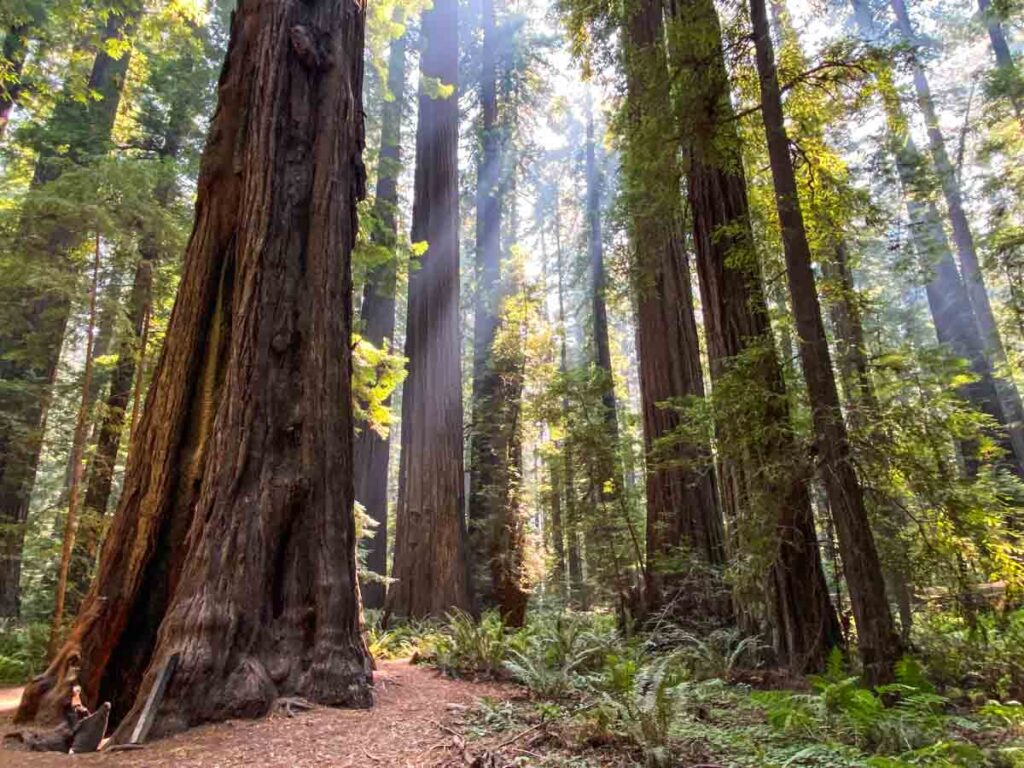
Spotted owls need a particular kind of forest architecture that takes a long time to develop. Multi-layered canopy, large diameter trees with broken tops and cavities for nesting, standing dead wood that supports the small mammals they hunt, and enough canopy closure to keep the forest floor cool and shaded. These are conditions that second-growth forests can eventually develop, but only after several decades of recovery without major disturbance.
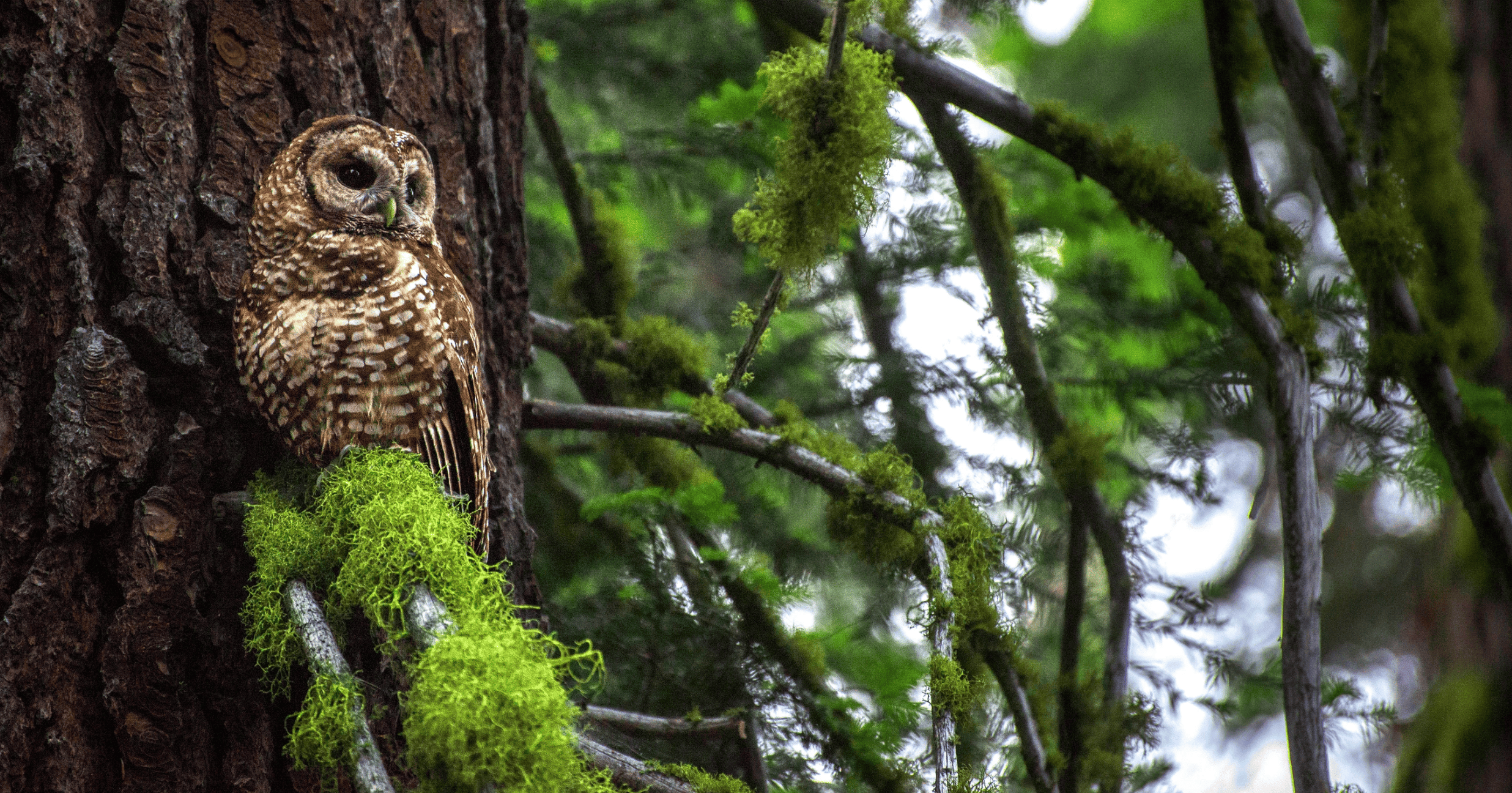
The owl's primary prey at Usal includes woodrats, flying squirrels, and other small mammals that live in the forest understory. A healthy prey population depends on a functioning forest floor, which in turn depends on the broader health of the canopy above it. This is why spotted owl presence functions as an indicator species. When an owl is present and holding territory in a section of forest, it means the food web below it is working. When owls disappear from a known territory, something in that web has changed.
At Usal, the sections of forest where owls have been detected tend to align with the older, more structurally complex parts of the property where the canopy has had the most time to recover since the logging era. That pattern tells the restoration team something useful about which areas are furthest along in recovery, and which sections still need more time.
The Threats Facing The Northern Spotted Owl Today
Habitat loss from historical logging is the long-standing pressure on spotted owl populations, but it is no longer the only one. The Barred Owl, a larger and more aggressive species native to eastern North America, has expanded steadily westward over the past several decades and now overlaps with spotted owl territory across much of the range. Barred Owls are less specialized in their habitat requirements, which means they can occupy forest that spotted owls would use and compete directly for territory and prey.
Wildfire is the other significant pressure. High-severity fires that remove large areas of old-growth structure in a short period can eliminate spotted owl territories that took decades to establish. As fire frequency and intensity increase across California, maintaining connected corridors of mature forest becomes more important for the species.

At the landscape scale, spotted owl recovery depends on having enough mature, structurally complex forest distributed across the range to sustain viable populations over the long term. Individual properties like Usal are one piece of that, and the management decisions made here, how much is protected, how quickly second-growth areas recover, how fire risk is managed, all feed into the broader picture.
What the Owl Can Teach Us About Healthy Forests
The Northern Spotted Owl sits near the top of the old-growth forest food web. Its presence indicates that the layers below it, the prey populations, the forest floor structure, the canopy conditions, are functioning. Protecting the owl effectively means protecting the conditions that support everything else living in the same forest.
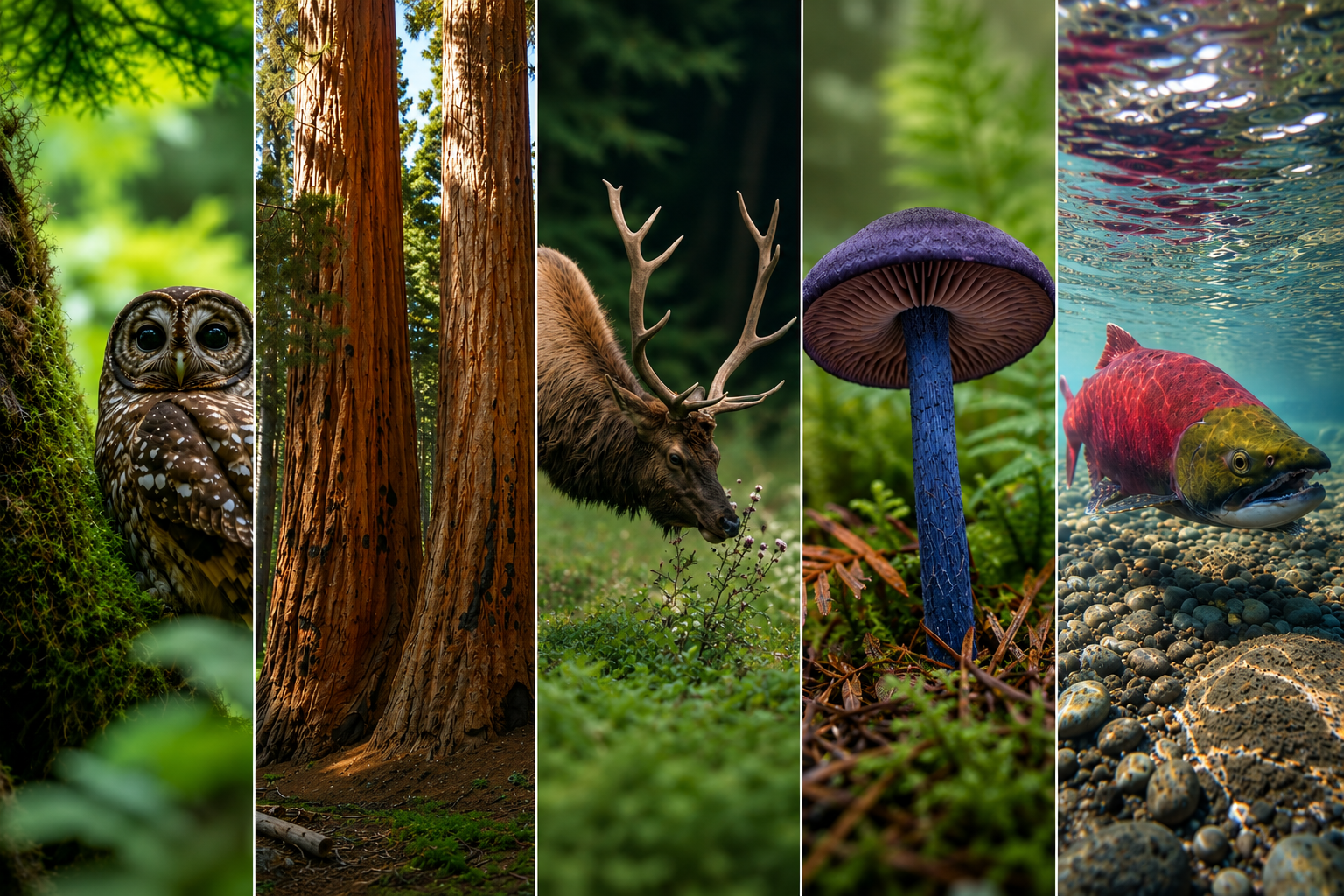
At Usal, the species is tracking alongside the spotted owl include coho salmon in the creek system, Pacific fisher and American marten in the understory, and a range of amphibians and invertebrates in the soil and leaf litter. These species share overlapping habitat requirements. A forest managed well enough to support a spotted owl population tends to be a forest that supports most of the others too.
The 250,000 native redwoods planted at Usal since 2007 are part of that picture. As those trees grow and the canopy they form matures, the structural conditions that spotted owls need expand across more of the property. That process takes time, measured in decades rather than years, but it is already measurable in the data the monitoring system is producing.
FAQ - Frequently Asked Questions
1. Is the Northern Spotted Owl endangered?
The Northern Spotted Owl is listed as threatened under the Endangered Species Act, a status it has held since 1990. It is not listed as endangered, but population recovery has been slow across most of its range, and the species continues to face pressure from habitat loss, competition from Barred Owls, and increasing wildfire activity.
2. Why does the Northern Spotted Owl need old-growth forest?
Spotted owls depend on structurally complex forest with large diameter trees, broken canopy layers, standing dead wood for nesting, and a functioning understory that supports their prey. These conditions develop slowly in recovering forests and are most fully present in older stands. Second-growth forests can eventually provide suitable habitat, but only after several decades of uninterrupted recovery.
3. Are Northern Spotted Owls found in redwood forests?
Yes. Coast redwood forests in Northern California are part of the spotted owl's range, and the older, structurally complex sections of redwood forest provide the canopy conditions and prey habitat the species requires. At Usal Redwood Forest on the Mendocino Coast, spotted owls have been detected through the bioacoustic monitoring and camera networks RFF operates across the property.
4. What threatens the Northern Spotted Owl today?
The primary ongoing threats are competition from Barred Owls, which have expanded into spotted owl territory from the east, and high-severity wildfire, which can remove large areas of mature forest habitat in a short period. Historical old-growth logging reduced the species' habitat base significantly before the 1990 listing, and recovery has been constrained by the slow pace at which forest structure develops.
5. How does Redwood Forest Foundation monitor spotted owls at Usal?
We use bioacoustic monitors and camera networks deployed across the Usal property to detect spotted owl calls and movement patterns continuously, including in remote sections of the forest that traditional field surveys would have difficulty accessing. The data helps the restoration team track owl activity over time and understand how different sections of the forest are recovering.